


For millions embracing the keto diet, fat is not just a nutrient; it’s the centerpiece of their meal plan.
This low-carb, high-fat diet originated in the 1920s as a treatment for children with epilepsy but has gained popularity in the wellness community, capturing the attention of yoga influencers, fitness enthusiasts, and weight-loss seekers alike.
By 2024, the keto market is projected to be worth £9.2 billion (approximately $12.5 billion), with continued growth anticipated.
At its core, the ketogenic diet emphasizes using fat as the primary fuel source, which is a significant shift for those whose diets primarily depend on glucose—a simple sugar produced from carbohydrate breakdown.
On a ketogenic diet, carbohydrate intake is drastically reduced, leading to lower glucose production. Instead, approximately 80% of caloric intake comes from fats, which the liver converts into ketones—hence the name “ketogenic.”
Many following the keto lifestyle report successful weight loss without hunger pangs. They claim increased energy, enhanced focus, and mental clarity. Furthermore, the diet is believed to help reduce inflammation, stabilize blood sugar levels, lower the risk of type 2 diabetes, and improve skin health.
However, these benefits come with caveats. High daily fat intake can lead to adverse health effects, including significant cholesterol increases in some individuals on a ketogenic diet.
As noted by Professor Kosh Ray, a cardiologist, many keto dieters experience spikes in saturated fat consumption, resulting in elevated cholesterol levels despite other health improvements.
“If I were unaware of their dietary habits, I might suspect a genetic disorder affecting cholesterol removal,” he warns.
This high cholesterol issue appears most concerning for individuals claiming weight loss and optimal health on a ketogenic diet.
The pressing question arises: Should those on a keto diet, who may appear fit and healthy, be alarmed about their cholesterol levels and potential heart health risks?
Concerns from Medical Professionals
For many cardiologists, the implications of high LDL cholesterol (the “bad” type) are alarming. It has been established that elevated LDL is a significant risk factor for heart disease, regardless of an individual’s diet.
“Research shows that lower LDL cholesterol is consistently linked with a reduced risk of cardiovascular disease,” states Ray.
To grasp the importance of LDL cholesterol, it helps to understand its role. Cholesterol, a vital fatty substance, functions like a transport vehicle, carrying proteins in and out of the liver through the bloodstream.
LDL cholesterol delivers cholesterol away from the liver, while HDL returns it. Both types must remain in balance to ensure proper cholesterol delivery.
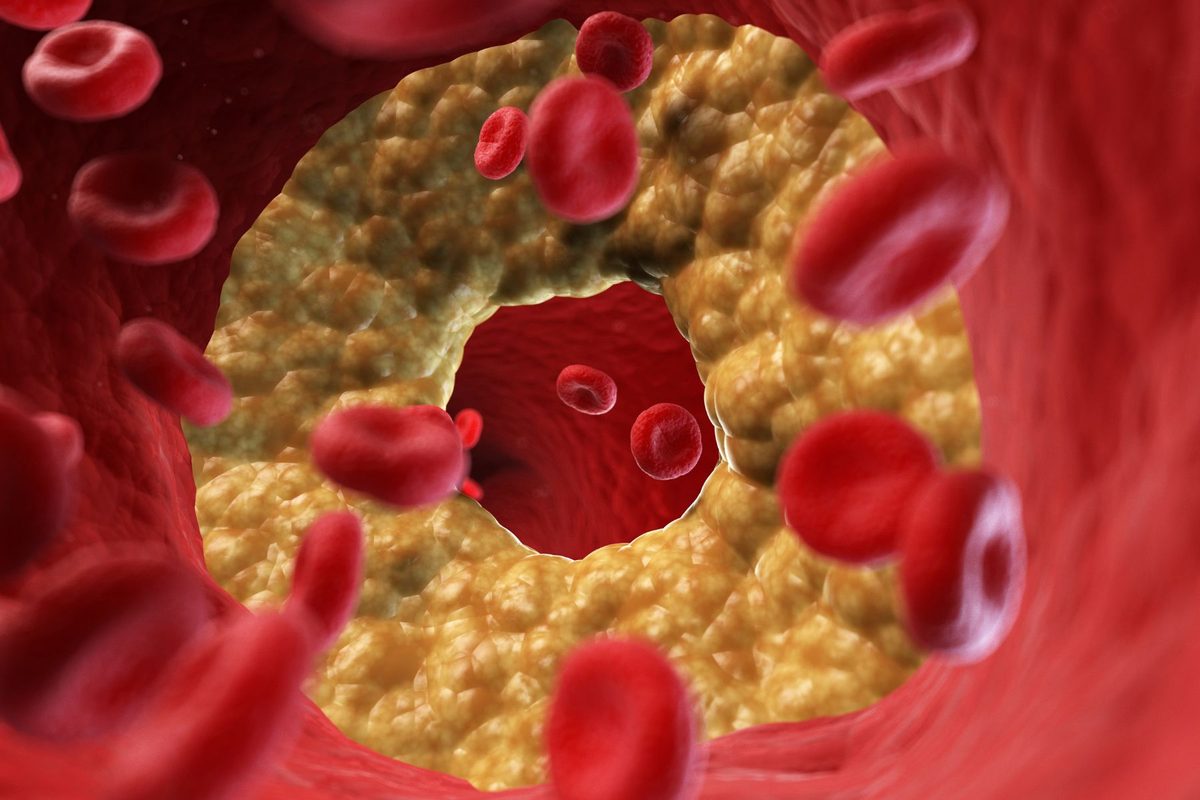
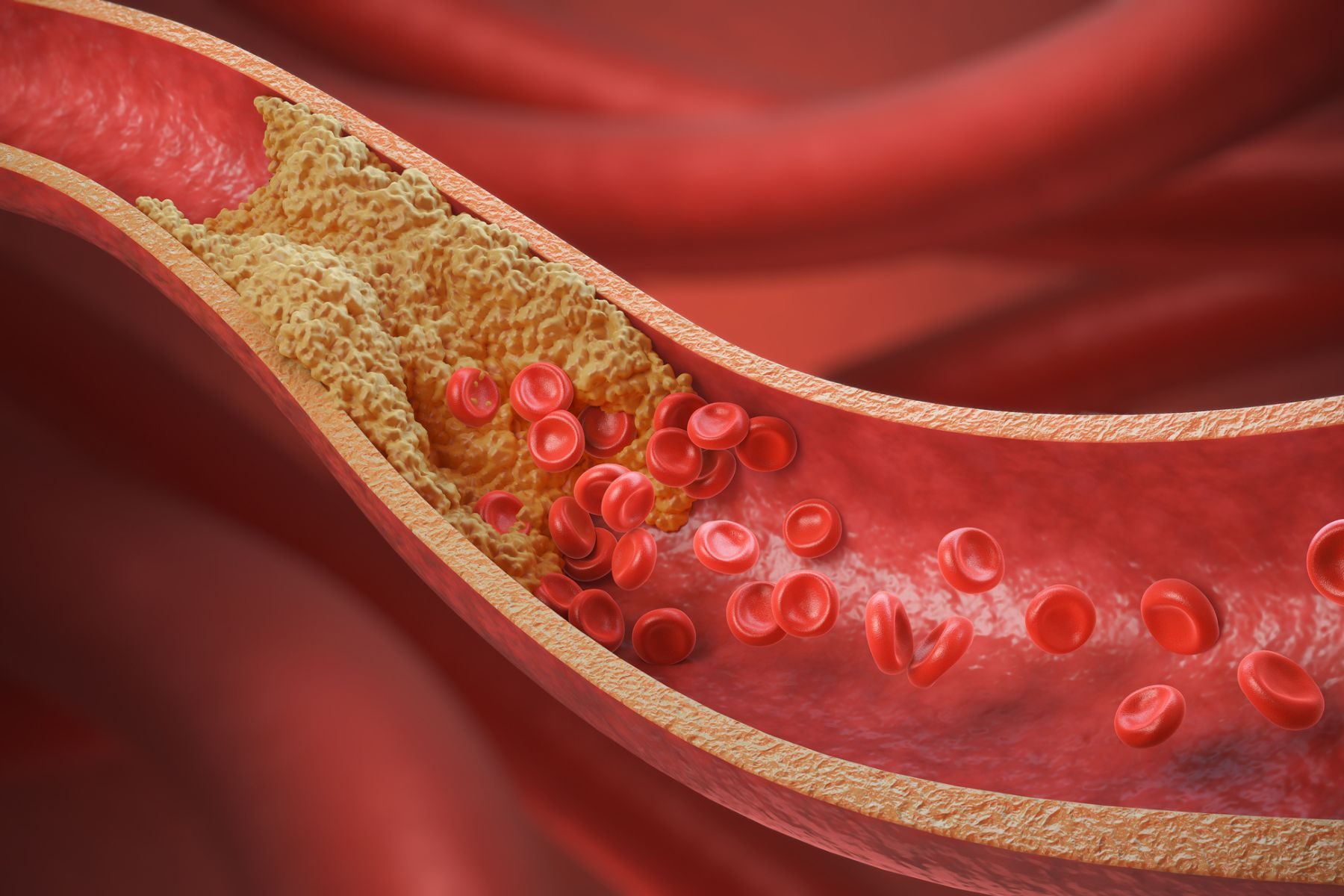
Yet, these transporters can adhere to artery walls and become obstructed if such walls are compromised (due to factors like aging, smoking, and inflammation).
This blockage can lead to fatty deposits known as plaque, which can harden over time. If plaque ruptures, it may obstruct blood flow and induce a heart attack.
Read more:
Understanding Lean Mass Hyper Responder Theory
Given existing knowledge about heart health, it’s concerning that individuals on a keto diet with significantly elevated LDL cholesterol levels may face increased heart disease risk.
However, some “citizen scientists” argue that traditional warnings about high cholesterol may not apply to this specific subset of dieters.
According to these proponents, elevated cholesterol is not a concern within the keto diet framework, even if levels exceed the typical healthy threshold (100 mg/dL or 2.6 mmol/L), arguing that the ketogenic diet promotes heart health.
They introduced the term “lean mass hyper responder” to classify those who are slim and healthy yet possess significantly high LDL cholesterol levels. However, the majority of experts challenge this theory.

“The term lean mass hyper responder lacks validation in medical literature and is not recognized as a legitimate diagnosis,” cautions Dr. Scott Murray, Consultant Cardiologist and Medical Director at the Venturi Cardiology Clinic.
This term was coined by a computer scientist exploring the drastic cholesterol increases among ketogenic dieters.
However, this hyperresponder concept remains relatively nascent, lacking substantial scientific backing. Some citizen scientists are striving to enrich the understanding of keto dieters with high cholesterol.
Initial studies have suggested a correlation between spikes in LDL cholesterol and thinness in individuals on the ketogenic diet, proposing that this surplus cholesterol might be advantageous for hyperresponders.
As Moira Newis, a nutritional therapist specializing in keto for mental health, explains, “If an individual optimally utilizes fat for energy, a higher fat transport would be expected.”
This perspective is frequently shared by keto advocates, who argue that significant cholesterol amounts among hyper-responders pose minimal risk.
They also point to the ketogenic diet’s potential anti-inflammatory effects. As inflammation and high cholesterol can contribute to plaque formation in arteries, proponents suggest that reducing inflammation renders cholesterol harmless.
Nevertheless, it’s essential to acknowledge that individual responses to inflammation vary, making it impossible to entirely eliminate it through diet.
As for Newis’s assertions, current evidence does not support the idea that excess cholesterol could be beneficial on a keto diet.
Read more:
The Keto Controversy
In an effort to validate their theories, citizen scientists published a paper in April 2025, suggesting that hyperresponders on a keto diet might not face the same heart disease risks as indicated by prevailing medical opinion.
This sparked intense debate within the scientific community, with experts like Ray expressing skepticism.
The study involved assessing plaque levels among 100 hyperresponders on a ketogenic diet over one year, concluding that high LDL levels didn’t correlate with increased plaque progression.
“The LDL levels didn’t reliably predict risk severity,” stated Dr. Adrian Sotomota, lead author of the research.
Nevertheless, the research had notable flaws, including the absence of a control group, limiting comparative insights.

Among the 100 participants, 99 exhibited an exacerbation of plaque progression.
Sotomota explained that such outcomes are common, as most individuals experience gradual plaque buildup. “Plaque progression is the norm rather than the exception,” he noted.
He asserted that various heart disease risk factors, including blood pressure, diet, sleep quality, smoking, inflammation, weight, and genetics, contribute to these outcomes.
Professor Ray criticized the study, labeling it a “counterfactual in every aspect of science,” pointing out that findings suggested a fourfold increase in plaque progression compared to healthy populations, indicating heightened heart attack risk.
Current Evidence Landscape
Much remains unknown regarding cholesterol levels and the ketogenic diet. However, ample evidence currently indicates that high LDL cholesterol is a risk factor for heart disease—applicable not only to hyperresponders but to the general population.
Murray advises his patients on a ketogenic diet with significantly high LDL cholesterol to undergo CT scans to assess arterial plaque.
“If they find their arteries to be clear, we recommend dietary adjustments, integrating healthier carbohydrates and foods lower in saturated fats and cholesterol,” he explains.
“If plaque or advanced coronary artery disease is detected, dietary changes are necessary, and medication should be considered to promote plaque regression.”
Murray believes keto advocates may be pushing their bodies to unhealthy extremes.
“Being overweight can lead to various health issues, including fatty organ accumulation and elevated blood sugar. Conversely, maintaining a lifestyle reliant solely on fats and proteins without balance may also pose risks,” he adds.
Murray concludes that the body thrives on balance, and extreme dieting, like a ketogenic diet coupled with hyper-responding cholesterol levels, may not equate to optimal health.
Read more:
Source: www.sciencefocus.com