


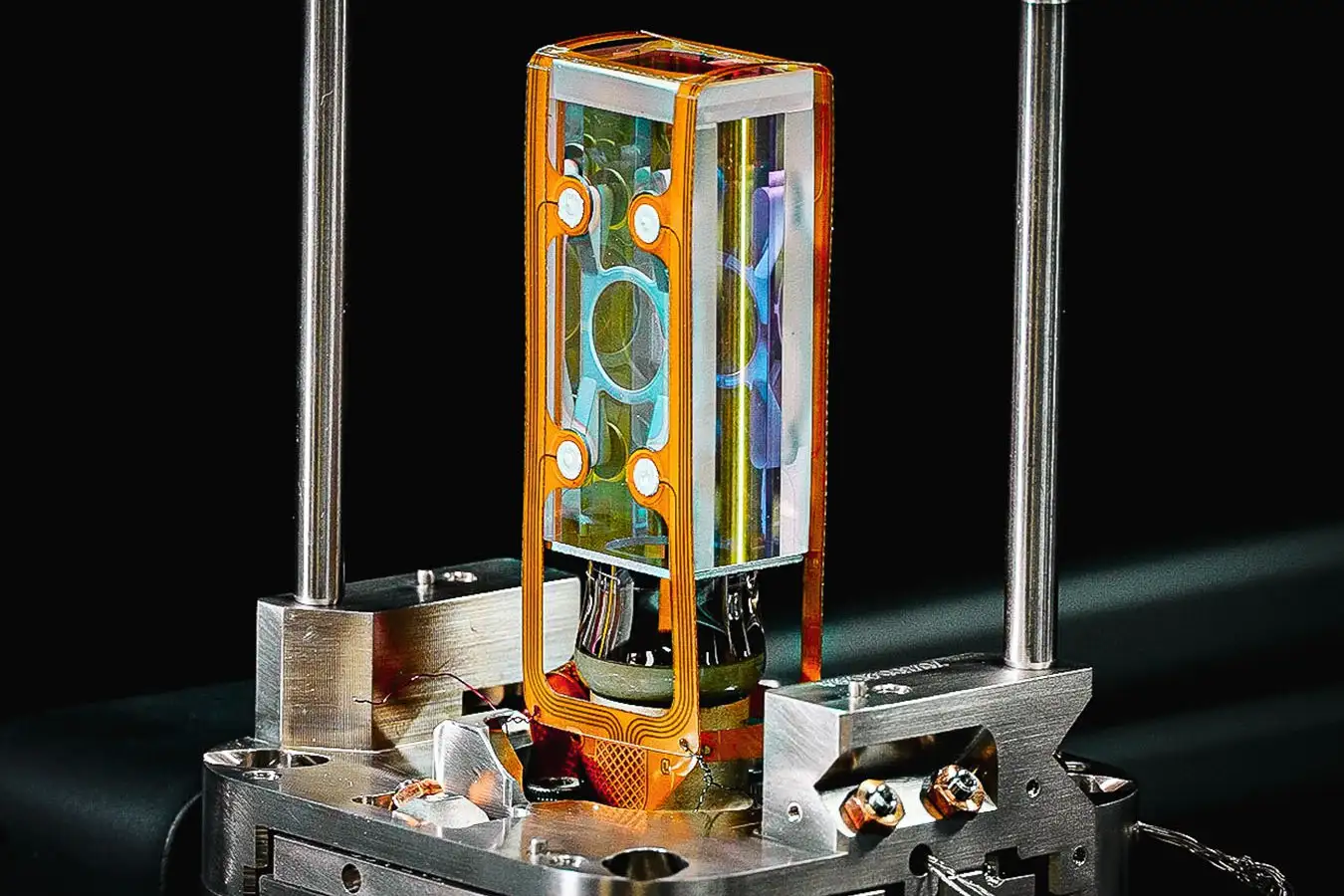
The Core of a Quantum Computer by Infleqtion
Infleqtion
The U.S. government aims to develop a quantum computer capable of significantly advancing scientific research within the next two years. The objective is to enhance the research and development of new materials, medicines, and molecules beneficial for agriculture and manufacturing.
Once a theoretical concept, quantum computers are now a tangible reality. However, they have yet to demonstrate clear utility or commercial viability broadly. Their computing power is reliant on the number of qubits—quantum bits—and their overall reliability, with many current devices still too small and error-prone.
The U.S. Department of Energy’s Quantum Genesis Concept aims to transform this landscape by 2028. This initiative will kick off a competition and establish a national quantum supercomputing facility, supported by the broader Genesis mission that funds researchers.
By 2028, the DOE expects advanced quantum computers to tackle unresolved challenges in chemistry, materials science, plasma physics, and high-energy physics. “I am optimistic that the necessary building blocks are in place…we don’t need a monumental breakthrough,” states Dario Gil, Undersecretary for Science at the Department of Energy.
Gil’s optimism stems from recent advancements in quantum computing, including the construction of robust qubits and significant improvements in algorithms for error correction. Moreover, the integration of AI is seen as an essential factor in reaching the 2028 milestone, helping to optimize quantum computer control processes.
“2028 is an ambitious target, but achievable,” asserts Juliette Peirone from quantum computing firm Alice & Bob. Paul Stimmers notes that several quantum companies have expressed plans to deliver commercially viable, error-free quantum computers by 2028 or soon after, as highlighted by the Quantum Industry Coalition.
This DOE announcement follows President Trump’s two executive orders focused on quantum technology, which include a $2 billion investment pledged to various quantum computing firms by the U.S. Department of Commerce.
Quantum Technologies Identified in Executive Orders indicate that technologies like quantum sensors, which are already practical, are primed for wider deployment, potentially in collaboration with NASA for applications in space. The increasing attention on quantum computing partly stems from its potential to be influential in code-breaking, despite facing significant challenges leading up to 2028.
Gill acknowledges the complexity involved in scaling from current devices to quantum computers that need to be hundreds or even thousands of times more powerful. “We will face significant challenges amid increasing complexity,” he remarks. Additionally, rare materials required for new quantum devices could create supply chain issues, warns Stimmers.
The U.S. is not alone in propelling quantum technology forward; the UK is also targeting the acquisition of large-scale quantum computers post-2030 through their procurement program. Quantum computing, alongside artificial intelligence, is essential to the global technological landscape, as reflected in China’s future five-year national development goals. Targeting 2028 is the most aggressive timeline among the nations, as Gill puts it.
Topics:
Source: www.newscientist.com