


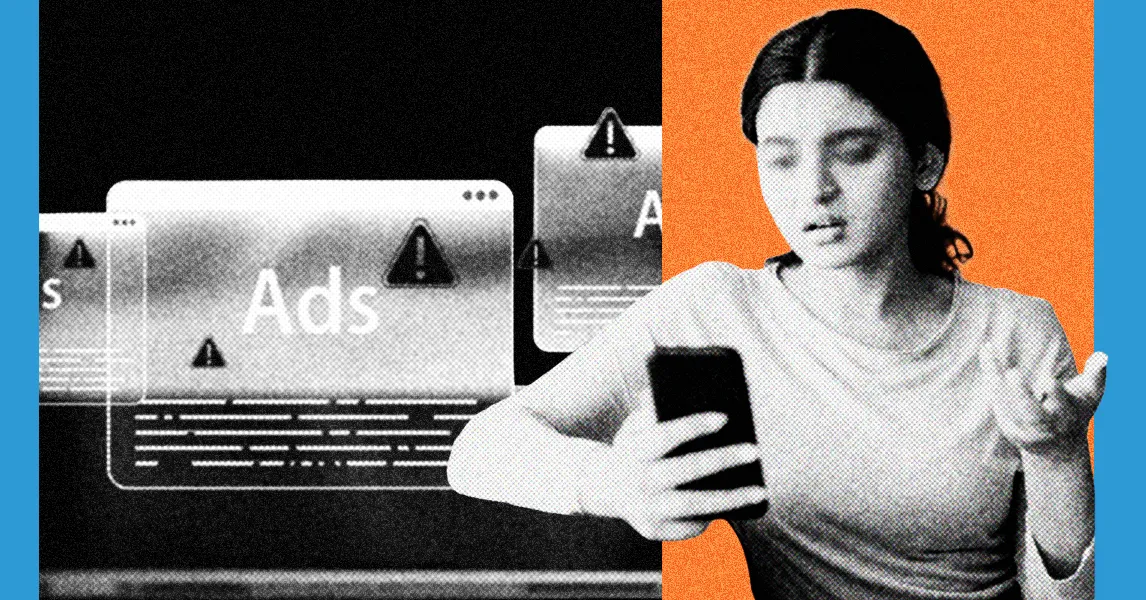
Anthropic is maintaining its pledge not to place ads in Claude or run Claude commercials during this year’s Super Bowl, and its recent initial public offering filing did not mention advertising as a potential revenue stream for the chatbot. With approximately $112 billion in investor funding, the company can continue operating without immediately turning to ads, but smaller AI platforms may not have the same flexibility as the cost of generating chatbot responses continues to rise.
OpenAI has attracted more than 100,000 customers to advertising on ChatGPT since an ad appeared on the service in February. Last week, Google expanded advertising in its AI Mode search chatbot to 10 additional countries outside the United States, saying users “find ads highly relevant.” Advertisers have expressed dissatisfaction with the experience but expect it to improve.
Advertising could be particularly important to the long-term survival of niche chatbot platforms. These companies generally cannot depend on the venture-capital resources available to leading AI laboratories or the profits generated by large technology firms.
Koah Labs is one of several new advertising technology companies focused on AI-based experiences. The San Francisco startup says its ads appear across more than 200 apps, including DeepAI, which offers tools for creative queries, and Liner, a service focused on providing citations in AI-generated answers. Koah has also partnered with brands including telemedicine company Hims and flower-delivery service UrbanStems.
Koah has acquired one-tenth as many advertisers as OpenAI, but CEO Nick Baird believes the company has still learned what works—and what remains unclear—as chatbots take on functions traditionally handled by search engines. That includes understanding how advertising may change the AI experience.
Ads created with AI
According to Baird, click-through rates double when advertisements are partly created by AI rather than entirely by humans. The reason is not clear, but AI-generated marketing copy may feel more natural when it appears alongside content produced by an AI model.
Koah’s advertisements are built from product details and images supplied by advertisers. As a result, users do not appear to be encountering hallucinations or misinformation generated by the advertising system. However, Baird said some advertisers, including pharmaceutical companies, must comply with government rules governing what their ads can say. Those companies retain more human control over their advertising, which he said can produce weaker results.
Bland messages and cluttered advertisements can drive users away. Ad technology companies therefore have to balance engaging content with the risk concerns of brands that are reluctant to experiment. Finding that balance may become more difficult when humans are removed from parts of the advertising process.
Targeting ads with conversation context
A Google search for “stress relief” will likely produce advertisements for therapists. Baird believes chatbots can enable more creative targeting. For example, he said spa advertisements performed well across Koah’s network when they appeared after prompts related to “stress.”
The difference, Baird said, is that Koah can select and customize advertisements using “responses from an AI platform that brings context not just from prompts and Google searches, but from the rest of the conversation you’ve had.” Chatbot prompts also tend to be at least twice as long as Google search queries, giving Koah more information to determine which ads may be relevant.
Source: www.wired.com