


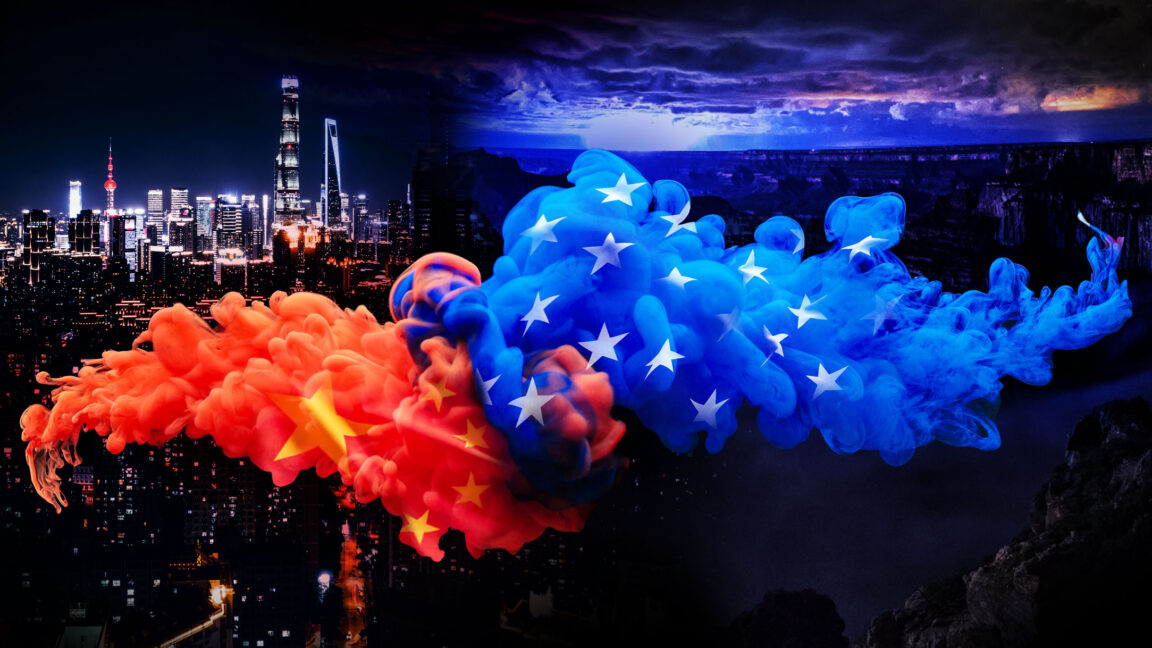
US-China AI Rivalry Could Undermine Global AI Safety, Graylin Warns
Graylin argues that the United States’ claim that China achieving artificial superintelligence first would create the “biggest AI security threat to the United States” is flawed. He says that framing could prevent the cooperation needed to prepare for more immediate AI risks affecting workers, the economy, and national security.
Small AI models could pose major security risks
“The most dangerous models are often small, specialized models that can be created or utilized by non-state actors to deploy biological, chemical, or cyber weapons,” Graylin wrote. “The assumption of a U.S.-China conflict impedes accurate global cooperation to protect against this very real threat.”
Graylin suggested that the United States could take steps to reduce public fears about artificial intelligence, although some of those measures may appear extreme to President Trump.
Graylin calls for more US-China cooperation on AI safety
Along with sharing high-level intelligence and opening “bilateral and multilateral channels on AI safety,” President Trump could restore Joe Biden’s “Little Garden” policy and consider loosening the expanding export restrictions that may prevent China from conducting more effective AI safety testing.
Graylin suggested that China could develop more secure AI products if export controls were narrowed to block access only to “genuine military and CBRNE threats” rather than “all advanced technologies.”
AI regulation could affect global competitiveness
Graylin also said President Trump could consider following China’s lead by softening his position on AI regulation. Reasonable safety regulations could help “alleviate the growing public fear of AI that is brewing domestically,” he wrote.
However, such regulations would “certainly hinder the ability of nations to effectively introduce this technology into their economies and reduce global competitiveness,” Graylin wrote.
“We cannot manage the multifaceted risks of other countries that are building the most powerful technology in human history while refusing to dialogue with that technology,” Graylin wrote.
“There is no way to compete for a safer world”
In a perfect world, Graylin said, President Trump’s meeting with President Xi Jinping this week could eventually lead the United States to abandon the narrative of “winning the AI race.”
“There is no way to compete for a safer world,” he told Ars.
Source: arstechnica.com