



A Newborn Baby’s Brain: Strikingly Similar to an Adult’s
Craig Boylan
At birth, humans possess a critical brain structure, having developed approximately 100 billion neurons from a tiny 3-millimeter neural tube during gestation, forming the foundational framework for the central nervous system.
This colossal neuron count is rivaled only by the staggering 100 trillion synaptic connections that link them, resembling the intricate network of a city’s subway system. “It’s ingeniously designed to optimize functionality,” asserts Moriah Thomasson, a developmental neuroscientist at New York University.
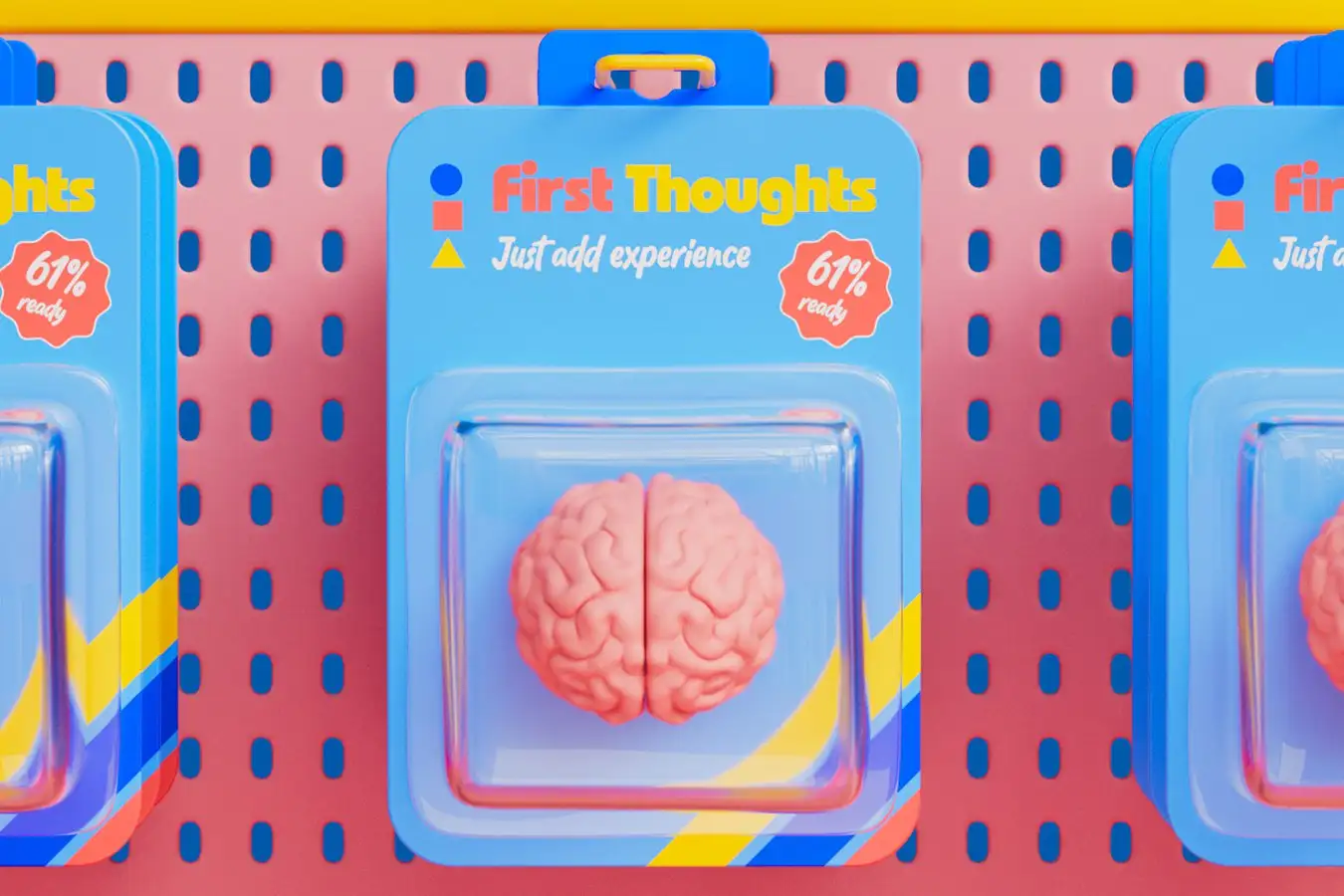
Just prior to birth, fetal brains exhibit remarkable similarities to adult brains, sharing 61% of the same functional organization. “That’s astonishing,” Thomasson remarks. Nonetheless, it’s essential to recognize that the fetal brain, despite its adult-like characteristics, is not a miniature version of the same. Unlike some animals that are born ready to walk and fend for themselves, humans experience extended childhoods, characterized by substantial social dependency.
“The incompleteness of our brains is intentional, allowing our environment to further shape them,” explains philosopher of mind Timothy Bain from Monash University, Australia. “If we evolved speaking Swahili, it would be counterproductive to be born in a Russian-speaking context.”
Birth signifies a pivotal transformation for the brain. “It’s almost overwhelming,” Thomason describes. Transitioning from the buoyancy of the womb to confronting gravity, brushing against fluctuating temperatures, and processing a surge of new visual stimuli presents challenges. As a result, layers of myelin sheaths form, enhancing connections across the nervous system and strengthening specialized brain networks. “These pruning processes are becoming increasingly vigorous,” Thomason observes. “You’re essentially cementing them.”
As this occurs, our navigational capabilities in the world sharpen, with higher cognitive functions constructing upon foundational skills. For instance, the brain begins to differentiate objects, track movements, and recognize faces and emotions. “Identifying emotions early is crucial, as it offers insights into others’ mental states,” notes Bain.
Utilizing brain scanners has allowed researchers to examine the formation and connectivity of brain networks in both adults and fetuses. However, interpreting these findings in relation to developmental experience remains a complex challenge. Fetal brain activity patterns suggest a presence of consciousness, with Bain asserting, “There may be remnants of prenatal experiences, and a nascent consciousness likely exists.” However, he posits that true consciousness only emerges when the infant faces the complexities of the external world.
Nevertheless, while our understanding of consciousness is intertwined with brain biology, debates persist over the interplay between thought and consciousness. “Can thought exist without consciousness? Is consciousness present without thought?” questions Philip Goff, a philosopher of consciousness at Durham University, UK. Bain proposes that thought aligns with our capacity to interact with the world. For example, shortly after birth, infants can engage with moving objects overhead through unique actions. “I ponder if the initial thoughts of a baby stem from an unfulfilled intention or a joy in achieving their desires,” he reflects.
The notion that thought and consciousness do not gain significance until birth may appear intuitive. However, cognitive scientist Anna Chaunika from the University of Lisbon, Portugal, cautions against this adult-centric view. “We often assume experiences are entrenched in the brain, imbued with complex concepts. Yet, research indicates that sensory experiences form the basis of self-identity through prenatal behaviors,” Chaunika explains. This highlights the fundamental role of interaction and learning in survival. The evolutionary origins of gut neurons and the swift specialization of the olfactory system for fetal development underscore this. “Existence precedes knowledge,” she asserts.
Ultimately, a fetus’s reality centers around its mother. “In utero, we are constantly in dialogue with other beings,” notes Chaunika. Studies even reveal that newborns cry differently based on their mothers’ bilingualism. “Our first realization is often one of ‘I am not alone.'”
Topics:
Source: www.newscientist.com