


After October 2023
The Nablus Checkpoint Crisis Is Reshaping Daily Life and Employment
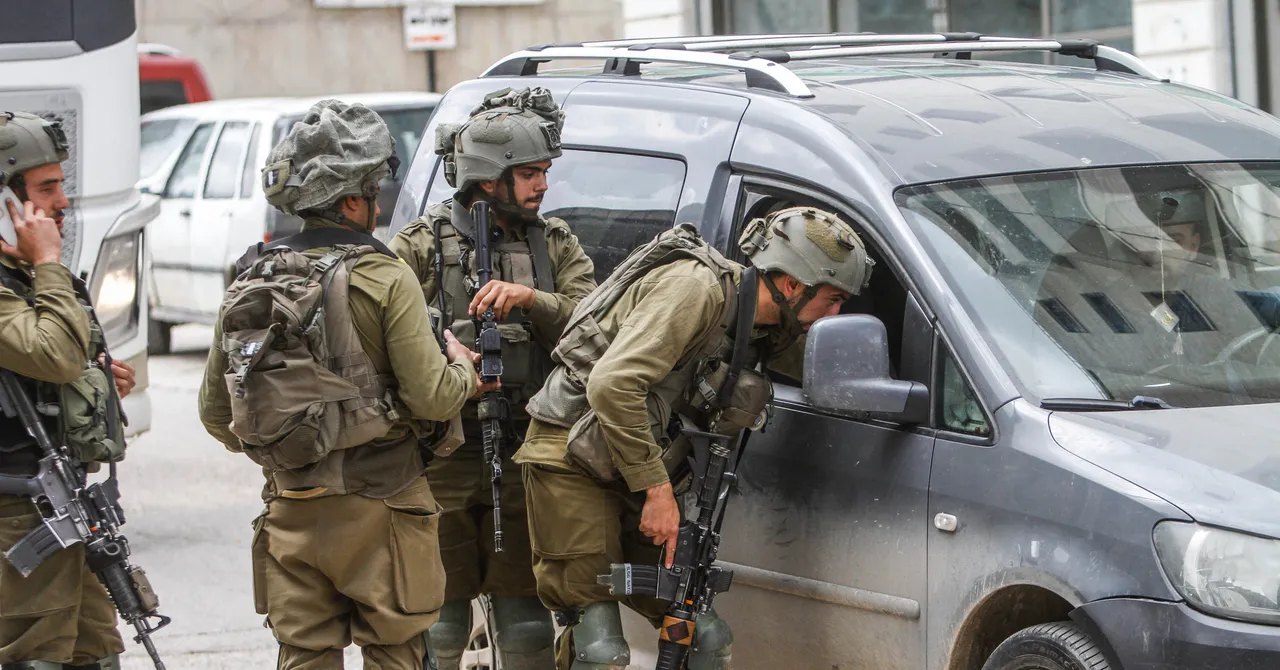
Checkpoint delays across Nablus have soared, with commuters spending an average of nearly 1 hour and 50 minutes navigating or avoiding checkpoints—more than in other parts of the West Bank.
Workers Face Hours-Long Journeys Home
Ali Haji Ali has worked at Sama Pharmaceuticals, a pharmaceutical factory east of Nablus, for more than 10 years. Now 37, he oversees the maintenance of the company’s production lines. When he leaves home at the end of his shift at 4:30 p.m., he no longer expects to arrive home by 8 p.m., even though the distance is only 10 miles.
Some nights, he does not come home at all. He sleeps at the factory, where Sama established two offices with beds and 12 mattresses for employees unable to return home. The arrangement began during the coronavirus outbreak.
“I hardly got to see my three children, my wife, mother and father,” Ali said. “And forget about meeting friends.”
He continues working because he believes it is the best job he can find.
On a recent afternoon, Ali and his colleague Ohud Katatobe sat together in a room at Sama Pharmaceuticals. Within minutes, they were discussing what they called the “Nablus Checkpoint Crisis” of 2024 and 2025. Sometimes Ali would reach a checkpoint, wait for hours and eventually turn around to go home.
“Nothing is guaranteed. That’s the situation here. It’s like a lottery,” Ali said.
One Gate Controls a Town’s Daily Routine
Ohud, the factory’s quality assurance manager, is 38 and the mother of three sons. She lives in Beit Furik, southeast of Nablus, a town with a single entrance and exit gate. Her daily routine depends on whether that gate is open.
The town has developed its own traffic protocols. One shared taxi is allowed for every three private cars. Residents cannot control the pace of traffic, however, which is often disrupted when soldiers change shifts.
In the best-case scenario, when the Beit Furik gate is open and traffic moves smoothly, the drive home takes about 15 minutes. But for a year and a half, the journey took more than five hours a day. On the worst day, it took 10 hours.
In 2024, Ohud’s teenage son was taking his final biology exam at a school in Nablus just before she finished her shift. They met at the Beit Furik gate at 4:30 p.m. Several lanes of cars were lined up on the road, all heading toward the only entrance to the town of about 16,000 people.
Ohud and her son waited together until 3 a.m. the next morning.
“Full-time employees who are not separated from work by checkpoints will be at home, eating, showering, sleeping and already dreaming while I am still at the checkpoint,” she said.
Checkpoint Delays Are Affecting Hiring
Checkpoints across the West Bank are beginning to reshape how businesses such as Sama Pharmaceuticals operate. Ohud said the company has started rejecting highly qualified candidates after assessing the checkpoints they would need to pass to reach work.
Job postings are increasingly requiring candidates to live in Nablus. About half of those surveyed said checkpoints had affected their own or their spouse’s ability to find employment.
A Sick Baby Trapped Behind a Closed Gate
In late 2025, Ohud’s one-week-old baby, Ohs, developed jaundice. She and her husband drove the baby out of town to a hospital. On their return, however, they found that soldiers were already closing the Beit Furik gate.
“Go home,” a soldier shouted in Arabic from the other side of the gate.
“Where are you telling us to go?” her husband asked. “We have a sick child.”
According to Ohud, the soldier raised his rifle and pointed it at them. She told her husband, “Please, let’s go home now.” He tried again and offered to turn back if the soldier would allow Ohud and the baby to cross the gate on foot.
The soldier lost his temper.
“I’ll shoot you,” he said.
With the baby crying in their arms, they turned around and waited in line for another hour and a half until the soldiers reopened the gate.
Source: www.wired.com