


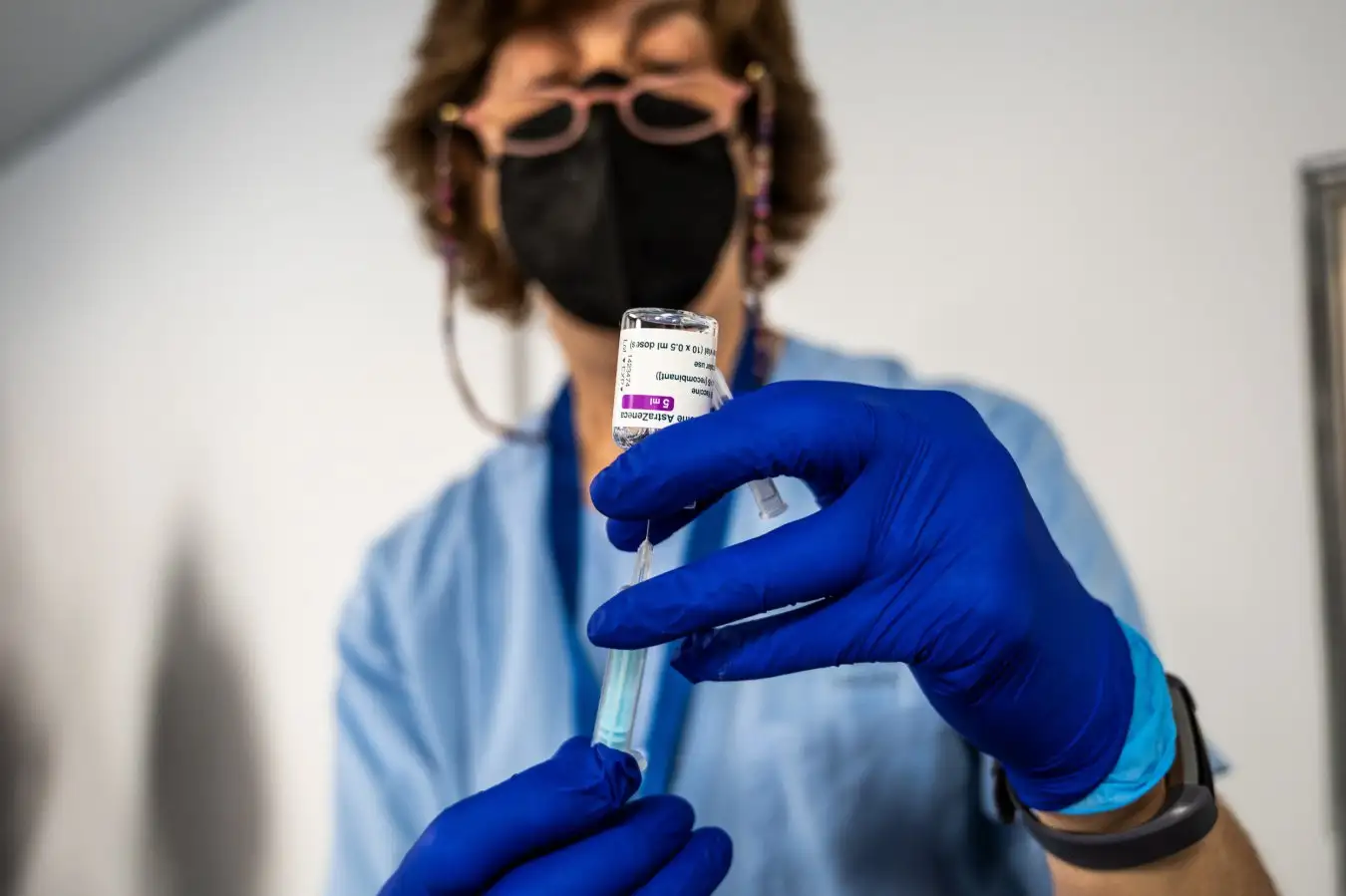

Vaccines Can Save Lives: How a Woman’s Menstrual Cycle Influences Immunity
Image Credit: Marcos del Mazo/LightRocket, Getty Images
The effectiveness of vaccines in women may be influenced by the timing of their menstrual cycle at the time of vaccination. While the idea of #cyclesyncing advocates for changes in diet and lifestyle corresponding to menstrual phases, robust research backing this is limited. Nevertheless, emerging studies reveal that hormonal variations during the menstrual cycle impact immune responses, suggesting that a woman’s susceptibility to infection post-vaccination may depend on her cycle phase.
“Historically, the menstrual cycle has been overlooked in health research,” notes Poppy Cooper of the London School of Hygiene and Tropical Medicine. “This initiative signifies a paradigm shift, recognizing the menstrual cycle’s broader implications beyond reproductive health.”
Following the rollout of the COVID-19 vaccine in 2021, anecdotal reports emerged from women experiencing heavier and earlier menstrual cycles. A subsequent study indicated that these alterations were often minimal and temporary.
Cooper and her research team sought to explore the relationship between menstrual cycles and vaccine performance. By analyzing data from 1,474 women across the US, UK, Canada, and Australia who utilized the menstrual cycle tracking app Clue in 2021, the researchers collected self-reported vaccination outcomes through an in-app survey.
Out of those surveyed, 82 women reported contracting COVID-19 post-vaccination, primarily from the Pfizer or Moderna vaccines. Notably, breakthrough infections were observed to develop 35 days earlier in individuals vaccinated during the luteal phase of the cycle—characterized by elevated progesterone levels—compared to those vaccinated during the follicular phase, marked by high estrogen levels.
This hormonal variability may directly affect immune cell responses to vaccines, as evidenced by a meta-analysis from 2022 showing declines in immune-related proteins during the luteal phase. “The primary function of progesterone is to prepare the body for potential pregnancy,” explains Dr. Julia Craggs, a specialist in women’s health. “This could suppress certain aggressive immune responses, such as T-cell activity, which may not be ideal when the immune system is being primed to recognize a vaccine antigen.”
Despite its limitations—including a small cohort of confirmed coronavirus infections and the absence of data considering the remaining menstrual cycle phases—this study emphasizes the need to recognize the menstrual cycle as a crucial variable in understanding women’s health responses. Recent studies reveal that estrogen fluctuations can also alter how medications interact within the brain.
Professor Cooper asserts that while timing of vaccination regarding the menstrual cycle is important, vaccines overall play a critical role in preventing illness. He advocates for routine consideration of menstrual cycles in healthcare decisions. “It’s imperative we ask similar questions for other vaccines and medical treatments,” says Professor Cooper, who is currently researching the potential impact of hormonal contraceptives on vaccine efficacy.
Topics:
Source: www.newscientist.com