


China Adds MP Materials and USA Rare Earth to Export Control List Amid Rare Earth Tensions
On June 22, 2026, China’s Ministry of Commerce announced that 10 U.S. companies had been placed on its export control list. Chinese and foreign companies will be prohibited from selling them products that can be used for both civilian and military purposes.
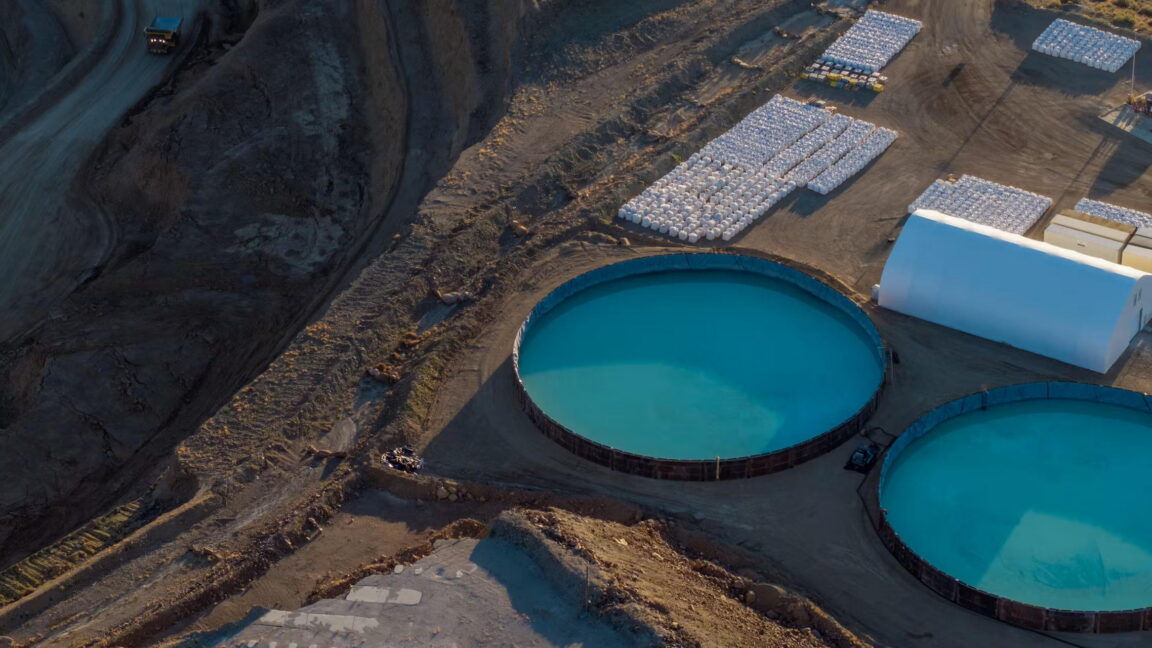
Most of the companies manufacture drones, radar systems, aerospace equipment, or military vehicles. Two of them, MP Materials and USA Rare Earth, have received federal support and are among the most advanced U.S. companies building a mine-to-magnet rare earth supply chain.
The Chinese government described the move as a response to a similar action by the U.S. Department of Defense. China may have specifically targeted MP Materials and USA Rare Earth because they are among the companies best positioned to reduce U.S. dependence on Chinese rare earth processing.
China’s rare earth restrictions remain in place
The extension of the November 10 suspension is consistent with the armistice, but China’s June 22 restrictions on heavy rare earth licenses and targeted companies still apply. A ceasefire means both sides have agreed to stop fighting; it does not necessarily mean their economic competition has ended.
Three possible paths for the U.S. rare earth supply chain
1. Continue relying on China
For the United States, leaving rare earth processing to China remains the quickest and cheapest option. However, that approach leaves U.S. manufacturers vulnerable to Chinese government regulations and export controls.
2. Build a domestic mine-to-magnet supply chain
Restructuring the U.S. rare earth supply chain could significantly reduce American dependence on China and limit the political risks associated with that dependence.
The challenge is that building domestic processing capacity takes time, requires startup costs that can reach billions of dollars, and can produce acidic and potentially radioactive residues.
3. Work with allies such as Australia and Japan
Developing rare earth supply chains with allies such as Australia and Japan could reduce the risk of the United States being cut off by a single supplier. Both countries have begun increasing production capacity, and Japan has pursued this strategy with some success.
However, suspended Chinese rules also affect the use of Chinese technology abroad, creating additional challenges for international rare earth supply chains.
What happens next in the U.S.-China rare earth dispute?
President Xi Jinping’s September 24, 2026, meeting with President Trump may help determine the status of the restrictions scheduled for November 10. Even so, broader conflicts over economic and strategic influence are likely to continue.
Charles Edward Gehrke, Sloan Fellow, Massachusetts Institute of Technology (MIT)
This article is republished from The Conversation under a Creative Commons license. Please read the original article.
Source: arstechnica.com