


Junji Ito’s The Strange Story of a Sleepless Night Brings “The Face Thief” to Life
“It really makes you wonder who the real monster in this situation is.”
Director Yuta Shimotsu discussed the unsettling events of “Face Thief,” the latest episode of the live-action J-horror anthology series The Strange Story of Junji Ito’s Sleepless Night. However, his question could apply to nearly every episode of the disturbing anthology.
Based on the work of award-winning manga artist Junji Ito, the series transforms each story into a surreal 30-minute nightmare that blurs the line between protagonist and antagonist.
What Is “Face Thief” About?
The Strange Story of Junji Ito’s Sleepless Night is a 12-episode anthology that aired on TV Tokyo this summer. HBO Max is now bringing the creepy Japanese horror series to U.S. audiences.
The first two episodes, “Lovesickness (Part 1 of 3)” and “The Bully,” are currently available. Both stories were previously animated for Netflix’s Junji Ito Maniac. At New York Comic Con, fans were also treated to the U.S. premiere of “Face Thief,” an episode based on Ito’s story “The Face Burglar.”
“Face Thief” was previously adapted into a Japanese television movie in 2000. The story follows Machida, played by Nanami Yamazaki, a girl who transfers to a new school and meets her unusually clingy classmate Kamei, played by Anna Hoshino.
Machida learns about Kamei’s disturbing method after noticing a similar-looking girl in her class who claims not to know Kamei. The rumor is simple and terrifying: “She makes friends with pretty girls and steals their faces.” Kamei’s face begins to change during a friendly conversation with Machida. Although the new girl initially repulses Machida, the two begin to bond after Kamei grows a third eyeball on her cheek and frightens away the bullies.
A Horror Story About Conformity and Peer Pressure
Without spoiling the ending, Shimotsu’s adaptation turns “Face Thief” into a sharp critique of conformity and the peer pressure found in Japanese society.
“There’s social pressure on us not to be too different from others,” Shimotsu told the audience after the premiere. “There’s not a lot of respect for individuality.”
Although Shimotsu wanted to change the ending so that it would differ from the live-action version, “Face Thief” still captures the slow-burning atmosphere of Ito’s original manga. The story was published in Monthly Halloween in 1987, the same year Ito’s famous debut, Tomie, appeared.
The girls’ manga magazine Sleepy, which featured “The Strange Story of a Sleepless Night,” later inspired the title of the new television anthology.
Junji Ito Explains the Inspiration Behind “The Face Thief”
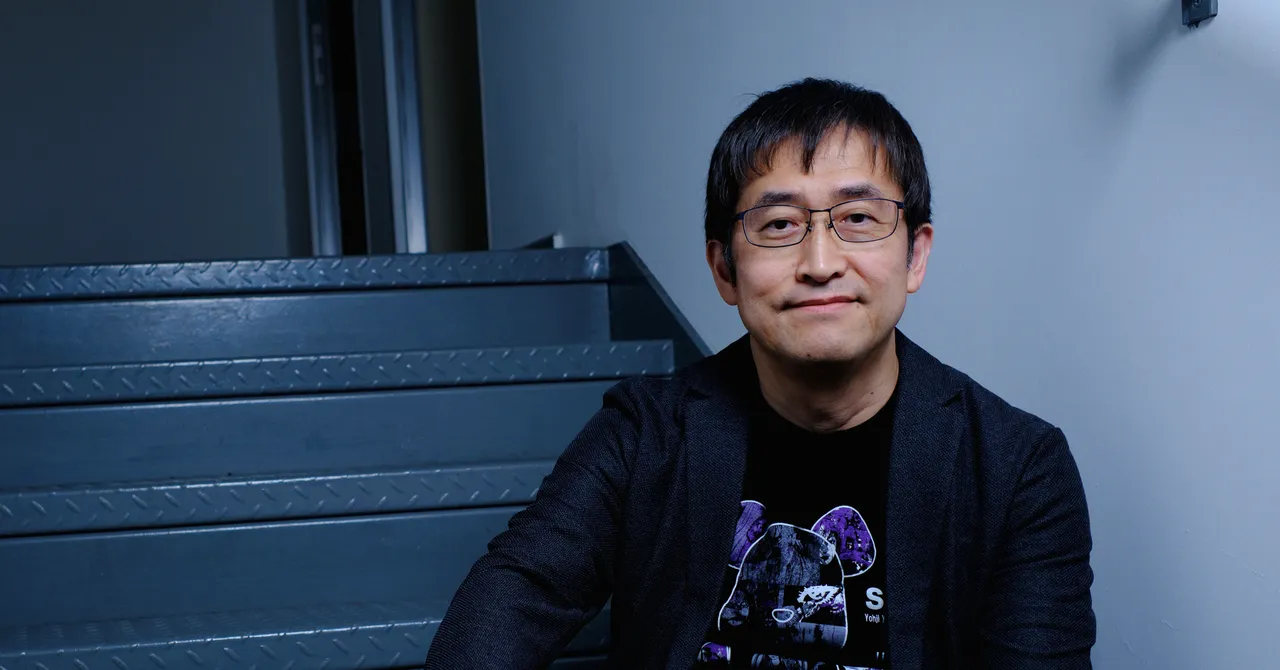
Ito, now a bespectacled 63-year-old, appeared at NYCC in a video message and described “The Face Thief” as one of his early stories. He developed the idea after several novels he submitted to publishers failed.
“It’s not a ghost, it’s just a unique condition inspired by chameleon camouflage,” Ito explained.
The Strange Story of Junji Ito’s Sleepless Night brings the concept to life through a new team of actors and directors. Rather than relying on jump scares, the series builds a slow, dreamlike sense of dread that is closer to the mood of Ito’s manga.
Could Season 2 Include a Black-and-White Episode?
Shimotsu finds Ito’s essence in the stillness of the performances and camerawork throughout the episodes he directed, using visual choices that recall the pages of a manga.
He also told fans that Season 2 could take its fidelity to Ito’s work even further. One planned idea is to shoot at least one episode in black and white, reflecting Ito’s preferred style of illustration.
Yuta Shimotsu Wants to Adapt Uzumaki
When an audience member asked which Ito story he would like to adapt next, Shimotsu received applause after naming Uzumaki, the groundbreaking horror manga that has already been brought to the screen several times.
A four-part anime series for Adult Swim was one of the most recent adaptations. Its production was notoriously troubled, with the quality declining after the first episode. The fourth installment ultimately had no credited director.
In Shimotsu’s hands, a new live-action take on Uzumaki could be both extraordinary and deeply strange.
“I want to continue creating a very strange and unique aesthetic like Ito’s work. That is my goal,” Shimotsu said. “I’m working on a Hollywood project, so see you soon.”
Source: www.wired.com