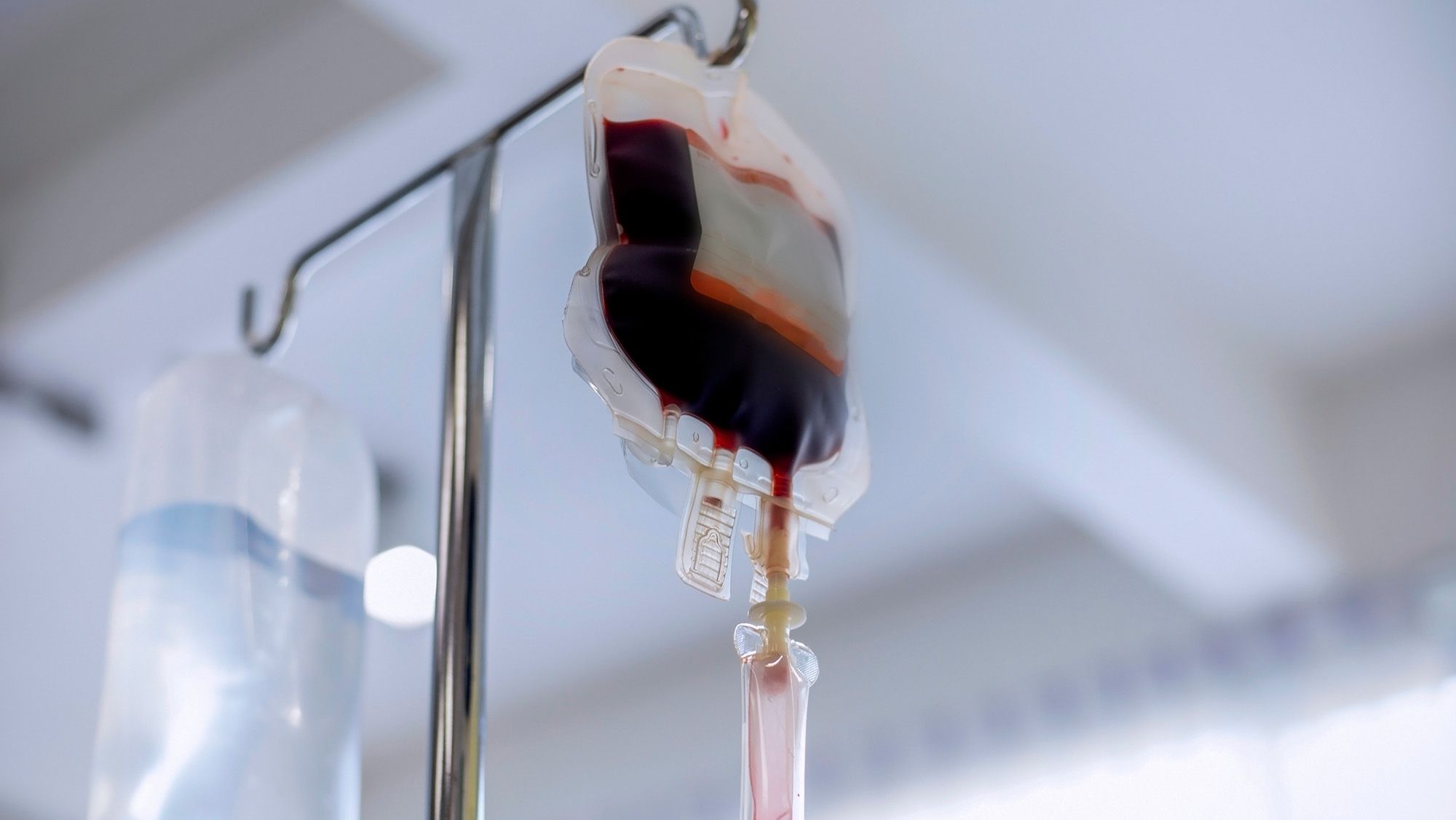
Symptoms: This child underwent a blood transfusion for lymphoblastic leukemia, a type of blood cancer affecting the bone marrow. He subsequently had a severe allergic reaction, with symptoms including a significant drop in blood pressure, a rash, swelling around the lips, tongue, and eyelids, and difficulty breathing. Such reactions are classified as anaphylaxis, which can be potentially life-threatening.
What happened next: The physician administered hormones including epinephrine, which effectively reduces tissue swelling during anaphylaxis, increases blood pressure, and alleviates respiratory difficulties. Remarkably, the child showed signs of recovery within approximately 30 minutes.
The medical team conducted blood tests post-reaction, revealing elevated levels of mast cell tryptase, indicative of anaphylaxis. However, the source of this extreme reaction puzzled the doctors, as detailed in their report on anaphylactic incidents.
Diagnosis: The child’s mother reported a similar reaction to peanuts at age 1, leading to a peanut-free diet. Investigating further, doctors contacted the five blood donors associated with the transfusions and found that three had consumed peanuts the night before donating.
Proteins like Ara h2 are known allergens responsible for severe allergic reactions. Notably, the allergen DRP-Ara h2 remains intact in the digestive system for over 24 hours, retaining its potential to induce allergic responses.
A follow-up blood test detected antibodies linked to peanut allergies, confirming the child’s sensitization to Ara h2 and DRP-Ara h2, likely due to these allergens entering the bloodstream during the transfusion.
In a conclusive finding, the medical professionals noted: “This data supports the hypothesis that donor exposure to peanuts before blood donation triggered this patient’s anaphylactic reaction.”
Treatment: Post-epinephrine administration, the child did not need further treatment to manage the anaphylaxis.
What’s unique about this case: Allergic reactions to blood transfusions are rare, with estimates suggesting occurrences in about 0.001% to 0.006% of cases. These reactions are occasionally reported in 0.1% of blood transfusions.
Determining triggers for allergic reactions is notoriously challenging. Historical studies suggested the possibility of passive transfer of allergens via transfusions. Emerging evidence implies this phenomenon may be more widespread than previously thought, urging the question: Could it be more common than expected?
The child’s case underscores the critical need to identify food allergies in patients requiring blood transfusions and stresses the importance of reviewing blood donors’ dietary histories to mitigate risks for susceptible patients.
This article is for informational purposes only and not a substitute for professional medical advice.
Jacobs, J.F.M., et al. “Anaphylaxis due to passive transfer of peanut allergen in blood products.” New England Medical Journal, 364(20), 1981-1982.
Are you ready to test your knowledge of unusual medical cases? Participate in our Dilemma Diagnosis Quiz!