


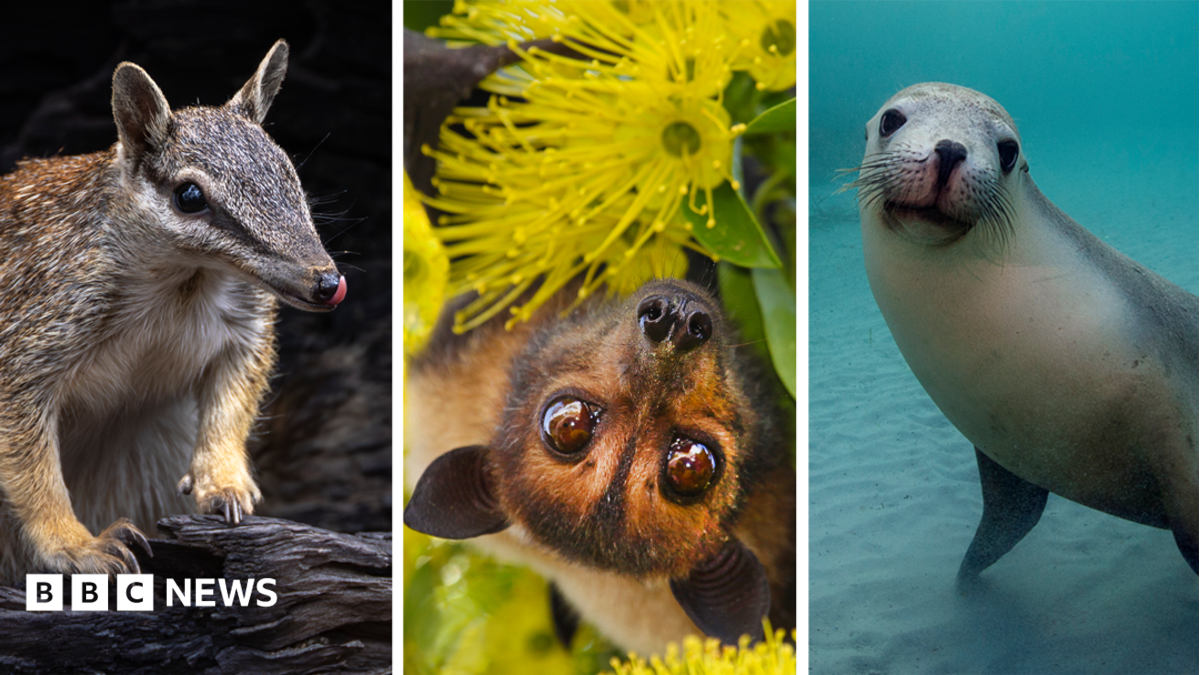
Experts warn that stronger environmental regulation alone may not be enough to protect Australia’s biodiversity.
Much of Australia’s conservation work currently depends on philanthropic funding and dedicated volunteers. Environmental groups say countless projects remain unfinished because there is not enough money to support them.
The federal government spends approximately A$700 million directly on nature protection each year. Conservationists argue that funding should rise to about A$33 billion—equivalent to 1% of Australia’s gross domestic product—to properly address the country’s environmental crisis.
Paul Elton acknowledges that figure may appear unusually high, but says it is justified by the scale of the biodiversity challenges facing Australia.
His research, which the Australian government disputes, suggests that more than A$26 billion continues to support subsidies for industries such as mining, intensive agriculture and fossil fuels. This is despite Australia’s international commitments to reduce subsidies that harm the environment.
“For every dollar the government is spending on positive biodiversity conservation action, there’s A$26 being spent on subsidies that are causing harm to nature,” he tells the BBC.
“That’s a pretty stark imbalance.”
Minister Watt did not directly address conservationists’ calls for increased environmental funding. However, she said: “We remain committed to long-term environmental recovery, in partnership with state and local governments, community and environmental groups.”
Although public concern about climate change and biodiversity loss is growing, critics remain doubtful that the government will prioritise environmental protection while facing competing economic pressures and multiple national crises.
Some experts believe voters may need to demand stronger action before political leaders commit the funding required to protect Australia’s natural environment.
“The community will say to you, we should spend a lot of money on the environment. And then if you say, ‘Well, what are you prepared to sacrifice to ensure that funding base?’, then they’re no longer interested,” Hill says.
With environmental threats continuing and limited progress being made, conservation advocates admit that maintaining hope has become increasingly difficult.
“We know what the problems are. We know how to address them. We know when we spend money on the environment, it pays back many times over,” Ritchie, a mammal ecologist, says.
“It’s like being a doctor and seeing all these sick people in the community and you know how to fix them, but no one will let you do that.”
Source: www.bbc.co.uk