



Skin cancer cells observed under a microscope. Such images can reveal how cancer spreads.Credit: NCI Cancer Research Center/NCI/SPL
On August 19, researchers and cancer patients reacted with enthusiasm to news that people with melanoma who received a personalized cancer vaccine remained cancer-free for longer than those who did not receive the vaccine. The results, reported by pharmaceutical companies Merck (Rahway, New Jersey) and Moderna (Cambridge, Massachusetts), have renewed interest in personalized vaccines designed to prevent melanoma recurrence.
The findings are especially significant because they come from a large, late-stage Phase III clinical trial. The double-blind, placebo-controlled study included more than 1,100 participants, providing stronger evidence than the earlier Phase II trial, which involved 157 people and produced encouraging results in 2024.JS Weber Others. lancet 403632–644; 2024). The latest results increase confidence that the personalized vaccine, called Intismeran, could reduce the risk of melanoma returning and bring the treatment closer to potential regulatory approval.
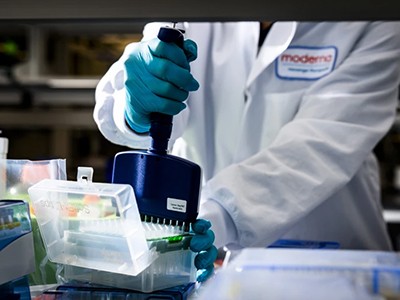
Moderna’s cancer vaccine stops melanoma from coming back: What’s next for personalized treatments?
If approved, Intismeran could become the first cancer vaccine specifically available for melanoma and only the second therapeutic cancer vaccine approved in the United States. In 2010, the U.S. Food and Drug Administration approved Sipuleucel-T for people with advanced prostate cancer.
The potential impact extends beyond melanoma. Because cancers are driven by mutations in cellular DNA, personalized cancer vaccines that target tumor-specific mutations could eventually be used against several types of cancer. Phase II and Phase III studies are testing Intismeran in people with melanoma, lung cancer, bladder cancer and kidney cancer. Earlier clinical trials of other personalized cancer vaccines have also reported promising immune responses and clinical results.
The prospect of a cancer vaccine entering routine medical care could attract new investment and accelerate research into treatments that prevent tumors from returning. The approach resembles vaccination against infectious diseases, although therapeutic cancer vaccines work differently. Researchers are also exploring ways to improve the strength, precision and durability of the immune response.
Personalized cancer vaccines work by delivering tumor antigens into the body. These antigens are often small protein fragments produced by cancer cells. Acting like molecular flags, they help the immune system distinguish tumor cells from healthy tissue and launch an immune response against the cancer.
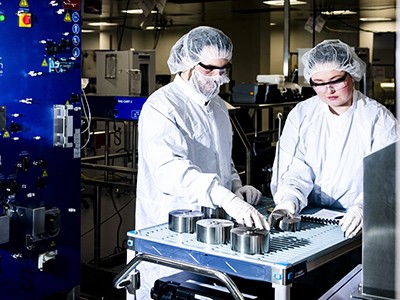
How personalized cancer vaccines can prevent tumor recurrence
For decades, clinical trials have shown that cancer vaccines can stimulate immune cells to recognize tumor antigens. However, convincing evidence that these vaccines improve clinical outcomes has been limited. Many of the tumor mutations that produce strong immune targets are unique to each patient, meaning that an effective vaccine must be individually designed. That process can be costly and time-consuming. Nearly a decade ago, our group and other researchers demonstrated the feasibility and safety of personalized vaccines targeting tumor mutations (PA Otto Others. nature 547217–221; 2017).
Two factors are central to the success of a personalized cancer vaccine: the antigen it targets and the platform used to deliver it. Advances in next-generation genome sequencing and messenger RNA vaccine technology have revitalized cancer vaccine research over the past 15 years. Faster, more affordable methods for identifying and prioritizing tumor mutations now make it increasingly practical to develop vaccines tailored to individual patients.
Source: www.nature.com