



U.S. Foodborne Illness Outbreaks: What to Know About Cyclospora, Salmonella and Recent Recalls
Nationwide food recalls involving lettuce, eggs and jalapeño peppers have raised concerns about whether the United States is experiencing an unusually high number of foodborne illness outbreaks this summer.
Health officials have reported a major Cyclospora outbreak linked to iceberg lettuce, along with separate Salmonella outbreaks associated with shell eggs and fresh jalapeños. However, experts say the number of widely reported incidents may make the overall risk seem greater than it is.
Live Science spoke with food safety and infectious disease researchers about the latest outbreaks, how they compare with previous years, and what consumers can do to protect themselves.
What is Cyclospora and how many people have been infected?
Cyclospora cayetanensis is a single-celled parasite that can cause an intestinal infection called cyclosporiasis. Common symptoms include prolonged watery diarrhea, nausea, stomach cramps, fatigue and loss of appetite. The illness is rarely fatal, although symptoms can be severe and may last for weeks. Prescription antibiotics are typically used to treat the infection.
Many cases of cyclosporiasis in the United States are not linked to a specific source. However, federal health authorities reported 10,468 laboratory-confirmed cases and an additional 12,255 suspected cases across outbreaks between May 1 and Aug. 4.
The largest reported outbreak has been associated with iceberg lettuce sourced from central Mexico and supplied by Taylor Farms. The company announced a recall of affected products on July 17. As of Aug. 5, more than 6,300 cases in 15 states had been linked to the outbreak, including 278 hospitalizations and two deaths.
Despite the size of the outbreak, experts say consumers should focus on the specific recalled products rather than avoid lettuce or fresh produce altogether.
“This particular outbreak is traced to a single independent farm in central Mexico,” Jessica Steyer, a public health scientist, told Live Science in an email. Taylor Farms estimates that the affected supply represented less than 1% of the iceberg lettuce supply in the United States.
“One contamination event on one farm can cause thousands of illnesses if the product is shredded and distributed nationwide through food-service channels,” Steyer said. “That does not necessarily mean there is a broader trend.”
Iceberg lettuce has been recalled because of a possible Cyclospora contamination risk.
(Image credit: Bryan Steffy, via Getty Images)
For most Americans, the risk of infection remains low, particularly if they avoid recalled products and follow food safety recommendations. Symptoms can take up to two weeks to appear, and limited testing capacity may delay the identification of cases. As a result, reported case numbers may continue to rise even after exposure to contaminated lettuce has ended.
How does the 2026 Cyclospora outbreak compare with previous years?
The number of reported Cyclospora infections this year is substantially higher than the typical annual total. In many years, the United States records approximately 2,000 to 3,000 confirmed cases, although the average can vary depending on travel-related infections, food imports and improvements in testing.
Steyer described the current outbreak as the largest recorded cyclosporiasis outbreak in U.S. history. Investigators have linked many infections to lettuce, but they have not determined exactly how the produce became contaminated.
Cyclospora contamination can occur when produce comes into contact with water or soil contaminated by human waste. Poor sanitation during growing, harvesting, processing or handling can also contribute to transmission.
Cyclosporiasis was first identified in the United States in 1985 among travelers returning from Haiti and Mexico. The first U.S. outbreak occurred in Illinois in 1990 and was linked to contaminated tap water. Other notable outbreaks included a 1996 event involving raspberries imported from Guatemala that sickened more than 1,400 people in 20 states.
Fresh produce consumption and imports have increased over time. Many fruits and vegetables are grown in tropical and subtropical areas where Cyclospora is more common. Improved diagnostic testing has also made it easier to identify infections that may previously have gone undetected.
Is there one Cyclospora outbreak or several separate events?
Experts caution that several different case totals are being reported and should not be treated as one single nationwide outbreak. These figures may include confirmed cases, probable cases, suspected infections, travel-associated illnesses and cases linked to specific state investigations.
For example, the number of confirmed Cyclospora infections across the country is not necessarily the same as the number of illnesses linked to the recalled lettuce. Some cases may have other sources, while others may still be under investigation.
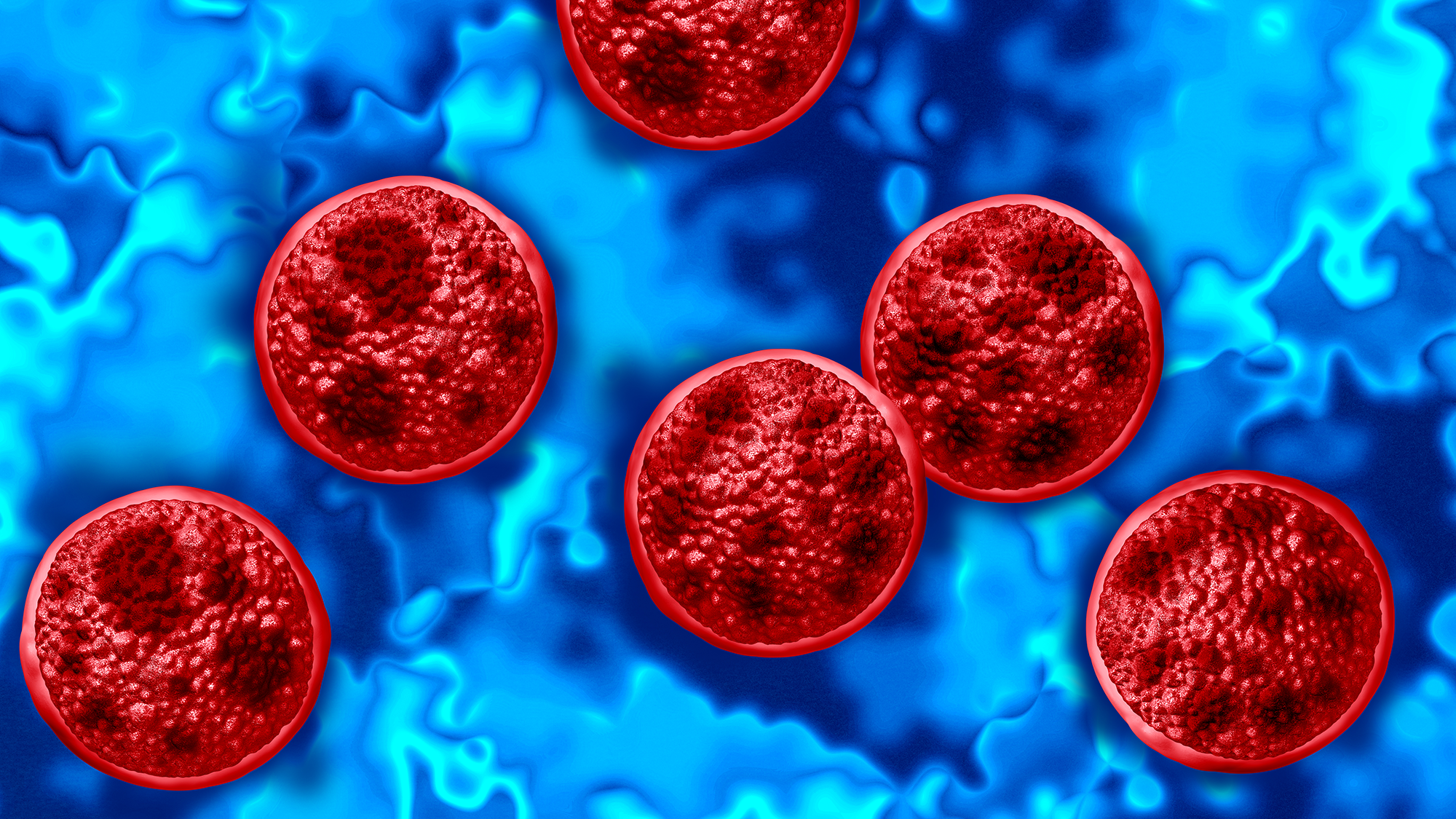
A diagram of Cyclospora cells.
(Image credit: wildpixel, Getty Images)
“Cyclospora infections reported in 47 states are not the same as one outbreak occurring in 47 states,” Steyer said. “Media coverage does not always make that distinction clear.”
Ellen Shumaker, a food safety scientist at North Carolina State University, said clear communication is essential during foodborne illness investigations. Better information can help consumers understand which products are affected and what steps they should take.
Shumaker also highlighted the importance of improving food traceability. Beginning in July 2028, the U.S. Food and Drug Administration is expected to require companies to maintain more detailed records showing how certain foods move through the supply chain, including harvesting, processing and packaging.
More precise tracking could help investigators identify contaminated lots faster and make future recalls more targeted, potentially reducing both illnesses and unnecessary food waste.
What is Salmonella and which outbreaks are ongoing?
Salmonella is a group of bacteria that can cause salmonellosis, an intestinal infection. Symptoms may include diarrhea, fever, stomach cramps, nausea and vomiting. Most people recover without treatment, but infections can be serious for young children, older adults and people with weakened immune systems.
Two recent Salmonella investigations have involved eggs and jalapeño peppers.
Salmonella outbreak linked to recalled eggs
Midwest Poultry Services recalled white shell eggs and brown cage-free eggs with best-before dates ranging from July 20 to Aug. 17. The eggs were sold under brand names including Country Morning, Cal-Maine Sunups, Brookshire’s, Simple Truth and Kroger.
The recalled eggs were shipped to Arkansas, Louisiana, Mississippi, New Mexico, Oklahoma and Texas. The FDA identified Midwest Poultry Services as a common source during traceback investigations, although officials have said the producer may not account for every illness in the outbreak.
As of July 24, the investigation involved 98 confirmed cases in 17 states. Twenty-six people had been hospitalized, and no deaths had been reported. The investigation remains ongoing.
Salmonella outbreak linked to jalapeño peppers
A separate Salmonella outbreak has been linked to fresh jalapeño peppers originating in Sinaloa, Mexico. The peppers were distributed by Coast Citrus Distributors to food-service companies, restaurants, wholesalers and distributors across the United States.
Taylor Fresh Foods recalled several prepared products containing the peppers. Affected products may have been sold at retailers and restaurants including Hannaford, Kroger, Stop & Shop, Target, Trader Joe’s, Walmart and Whole Foods.
The U.S. Department of Agriculture’s Food Safety and Inspection Service also issued a public health alert for certain meat and poultry products containing the recalled jalapeños. These products may have been sold at stores including Albertsons, Dillons, H-E-B, Kroger, RaceTrac, Randalls, Tom Thumb, Walmart and Wawa.
As of Aug. 10, the jalapeño-linked outbreak involved 345 confirmed cases in 27 states. Thirty-six people had been hospitalized, and no deaths had been reported.
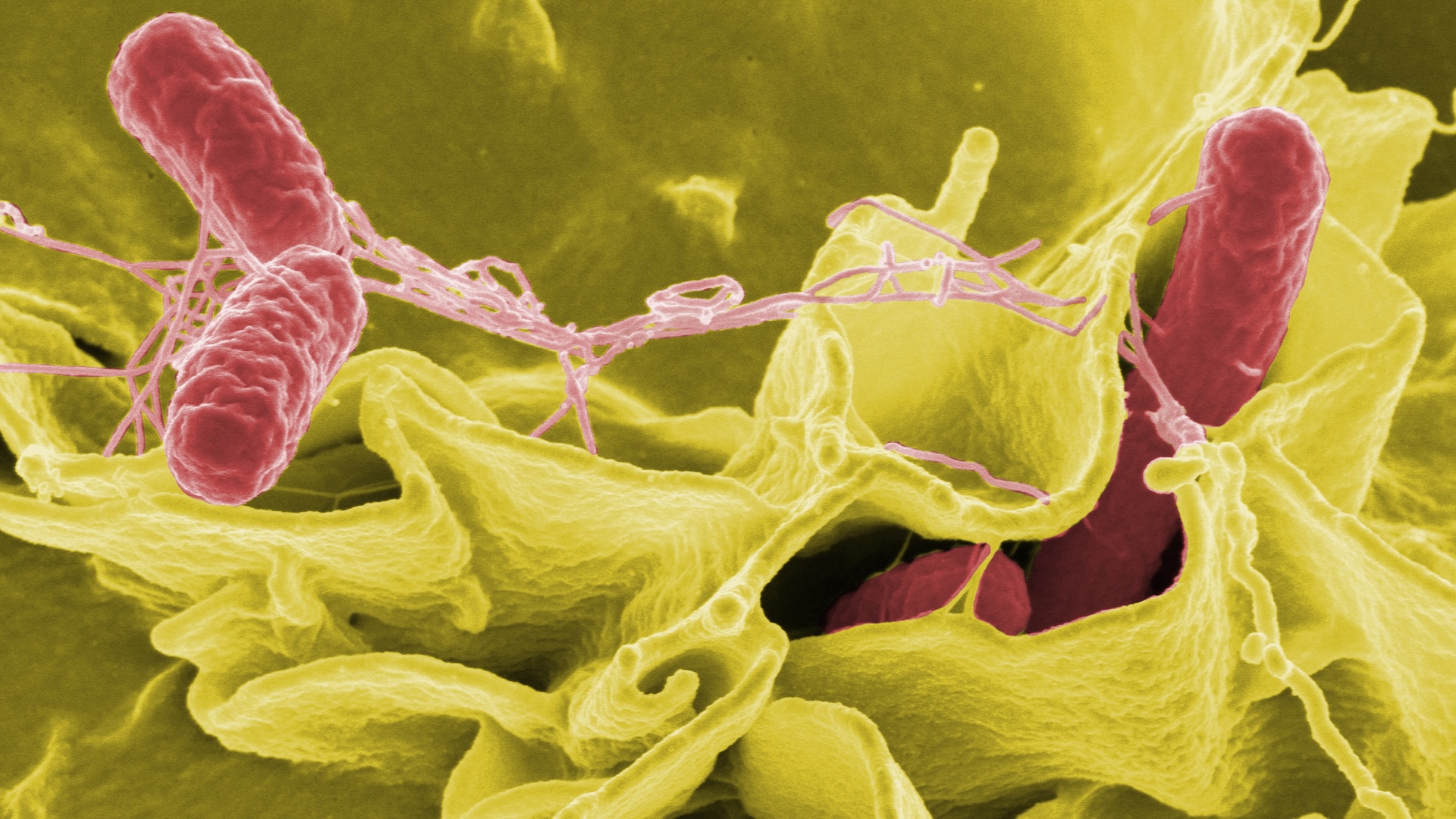
A color-enhanced scanning electron micrograph shows Salmonella Typhimurium invading cultured human cells.
Are Salmonella infections more common than usual this year?
Researchers say the recent Salmonella outbreaks are not necessarily evidence of an unusual nationwide increase in infections.
For comparison, an outbreak linked to eggs distributed by County Eggs LLC caused 105 illnesses in 14 states last August. Another outbreak involving eggs from the August Egg Company caused 134 cases in 10 states, while contaminated packaged meals sickened 21 people in 13 states.
“Ninety-eight cases related to recalled shell eggs and 345 cases related to jalapeños are not remarkable for a pathogen that causes approximately 1.35 million infections each year in the United States,” Steyer said.
The outbreaks may be receiving more attention because the public is more aware of infectious diseases following the COVID-19 pandemic. Zoe Weiss, a clinical microbiologist at Tufts Medical Center, said people may now be more familiar with how infections spread and how outbreaks are investigated.
How can consumers reduce the risk of foodborne illness?
The most important step is to check official recall notices and avoid products included in a recall. Consumers should not eat recalled lettuce, eggs or jalapeño peppers.
- Check the product name, brand, lot code, package size and best-before date against the official recall notice.
- Throw away recalled food or return it to the store. Do not try to make recalled eggs or other products safe through extra cooking.
- Wash hands, utensils, cutting boards and kitchen surfaces after handling raw eggs, meat or recalled produce.
- Keep raw eggs and meat separate from foods that are ready to eat.
- Cook eggs, meat and poultry thoroughly to reduce the risk of bacterial infection.
- Wash fresh produce under running water, while remembering that washing cannot reliably remove all parasites or bacteria.
Consumers should not avoid all lettuce, eggs or fresh produce because of a recall involving specific products. Recalls generally apply to particular suppliers, lots or distribution channels—not an entire food category.
Anyone who develops persistent watery diarrhea, severe abdominal pain, fever, dehydration or other concerning symptoms after eating a recalled product should contact a health care professional. People with suspected food poisoning should mention any possible exposure to recalled foods.
“Please don’t panic,” Steyer said. “Follow the recall instructions, but do not assume you need to avoid lettuce or other produce that is not included in the recall.”
Broadly avoiding fruits and vegetables could also have unintended health consequences, experts warn. For most people, checking recall notices and practicing basic food safety offers protection without eliminating nutritious produce from the diet.
Source: www.livescience.com