


NASA and the U.S. Department of Agriculture (USDA) have signed a memorandum of understanding to expand cooperation on Earth observation, geospatial analysis and advanced data technologies. The agreement is intended to support USDA’s data modernization plan and improve information used for crop monitoring, agricultural statistics, yield estimates and disaster assessments.
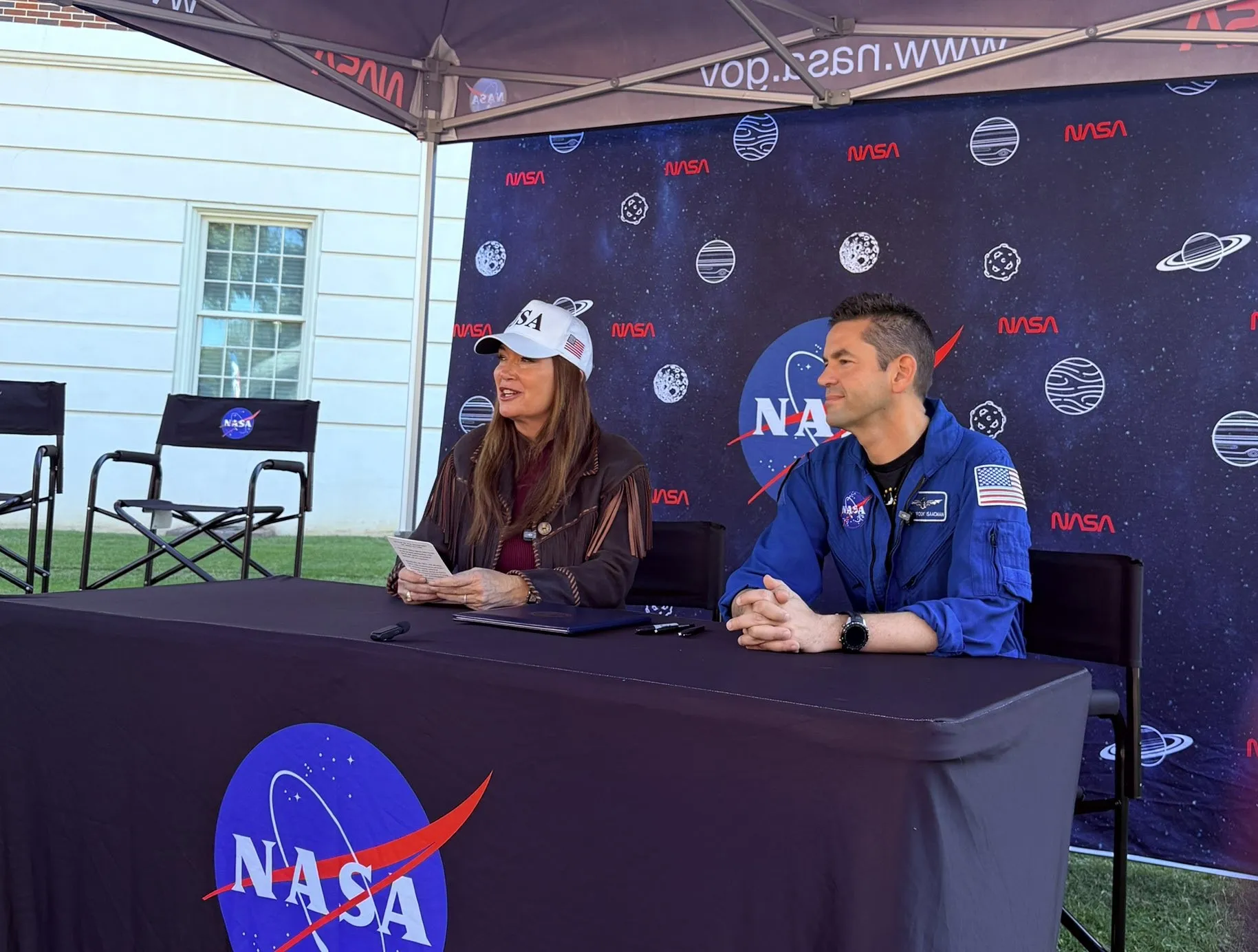
NASA Administrator Jared Isaacman and U.S. Secretary of Agriculture Brooke Rollins signed the agreement on October 24 during NASA’s Inspiration Tour at the University of Alabama in Tuscaloosa.
Combining NASA data with agricultural expertise
“NASA is developing some of the most advanced sensing, computing, and analytical capabilities in the world, and we should leverage these tools wherever they can deliver meaningful outcomes for the American people,” Isaacman said.
“By combining NASA’s Earth observation data and technical expertise with USDA’s knowledge of American agriculture, we can pursue new high-risk, high-reward ideas that improve the information available to farmers and ranchers, enhance our understanding of crop health and natural disasters, and advance both science and America’s competitiveness.”
NASA and USDA have worked together for years on collaborative research and data-sharing efforts supporting U.S. agriculture. The new agreement expands that partnership by emphasizing improved data integration and closer coordination in Earth observation and agricultural applications.
“America’s farmers are the best in the world and deserve every solution available to us, even if it’s out of this world. I’m proud to announce that the Department of Agriculture is working with Secretary Isaacman and NASA to harness the full power of technology, research, and development to strengthen American agriculture,” Rollins said.
“With this unprecedented partnership, the Trump Administration is strengthening USDA’s acreage and yield estimates and committing to a bright future of research and technology opportunities that will increase the profitability of U.S. agriculture.”
Areas covered by the agreement
NASA and USDA will be able to explore activities involving agricultural statistics, remote sensing science, modeling, geospatial data engineering and superintelligence. The agencies will also examine ways to tailor Earth observation data and analytical tools more effectively to agricultural needs.
These efforts could support improved crop monitoring, acreage and yield estimation, and assessments of droughts and other natural disasters. The agencies also plan to explore new methods for managing and analyzing large datasets, with the goal of providing more timely and reliable information to farmers, ranchers and policymakers while enhancing USDA’s data systems.
Source: www.nasa.gov