


New York Seizes 12 Deepfake Porn Websites Depicting About 1,200 People
Deepfake takedown New York authorities have seized more than a dozen websites allegedly used to publish and sell non-consensual sexual deepfake videos involving women, including celebrities, politicians, athletes and other public figures.
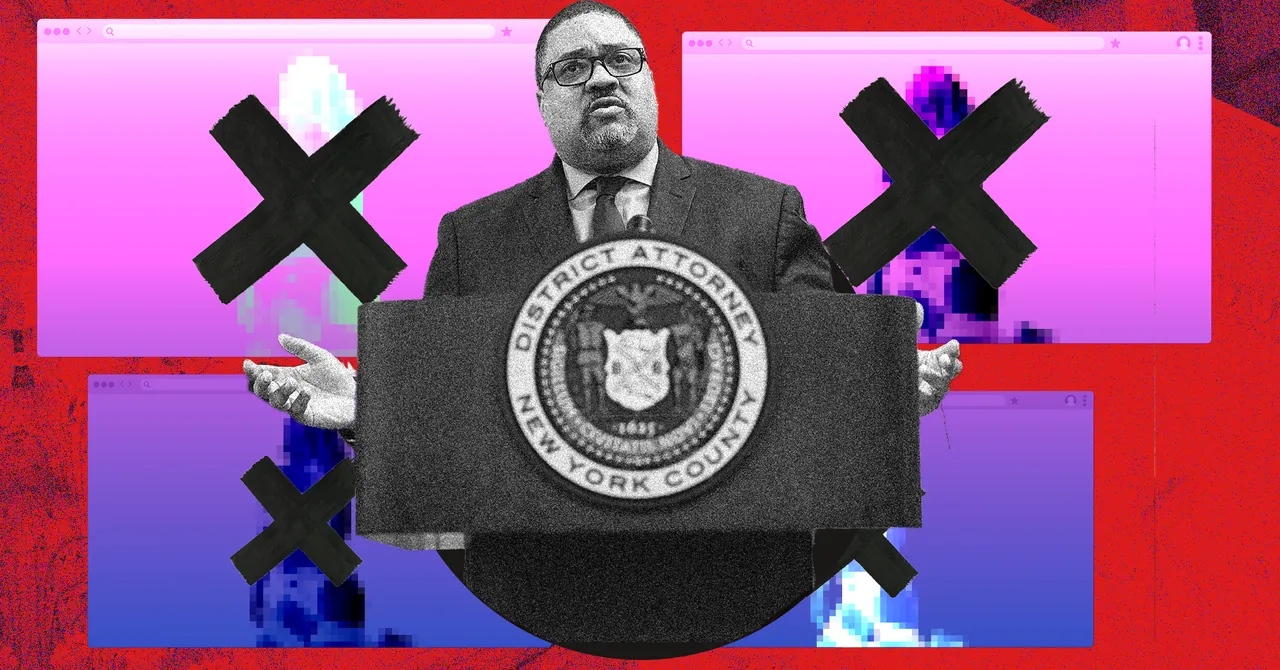
The Manhattan District Attorney’s Office announced Monday that it had seized 12 domains allegedly used to illegally share, publish and sell deepfake videos. The agency said about 1,200 people—overwhelmingly women—were depicted in non-consensual sexual images and videos hosted on the websites. Those depicted included social media influencers, actors, activists, athletes, musicians, politicians and others.
Manhattan DA investigates websites behind deepfake videos
District Attorney Alvin Bragg said the images represent “horrific invasions of privacy” that affect victims’ professional and personal lives and take a serious toll on their emotional and mental health. He urged potential victims to come forward and contact the office’s Cyber Crimes Unit.
The office said it is investigating the person responsible for the websites, as well as the individual who uploaded the harmful video involving the victim.
The seizures were carried out under New York state criminal-proceedings law. The action is one of the most significant known efforts against websites hosting explicit deepfake videos since the technology emerged in late 2017.
Deepfake websites target women with AI-generated sexual content
As artificial intelligence technology has improved, an underground industry of websites, apps and bots has emerged. These services are designed to “undress” photos of women or create graphic sexual videos involving them. The images and videos can appear increasingly realistic and may be generated within seconds.
Deepfake technology is widely used against non-famous women and girls, with content often shared in private social media groups. Celebrities have also spoken out about the harm caused by the creation and distribution of this content.
Legislation addressing deepfakes has been slow to develop, but U.S. “take it down” laws increasingly allow victims to request that images be removed. Some laws also give law enforcement authorities the ability to seize websites.
Seized domains replaced with law-enforcement notices
The Manhattan District Attorney’s Office has not released the names of the seized websites. Before Bragg’s announcement, however, WIRED independently observed that the homepages of several sites had been replaced with takedown notices stating, “This domain has been seized.” The notices said the domains were taken pursuant to seizure warrants issued by the New York State Supreme Court.
“This takedown is an important victory in the fight against non-consensual synthetic intimate images (NCII),” said Leonie Ohmig, a researcher at the Institute for Strategic Dialogue who studies the deepfake-creation ecosystem.
Ohmig said the action demonstrates that state law enforcement can address harmful content and that meaningful, coordinated enforcement is possible even while regulations remain fragmented across jurisdictions. The seized websites appeared to be inaccessible, including when accessed from elsewhere using a VPN.
Deepfake sites attracted millions of views
The websites were likely viewed millions of times. Many used names containing phrases such as “sex celebrity” and “authentic deepfake” and hosted fake videos involving some of the world’s most famous celebrities. One site stated that the faces of various actresses were being used in deepfakes.
The videos could run for several minutes and depict fully sexual scenes, often by replacing the faces of celebrities and public figures with faces from existing pornography. Archived versions of the websites show that some videos were viewed tens of thousands of times, while one site claimed to have been online since 2018.
Source: www.wired.com