


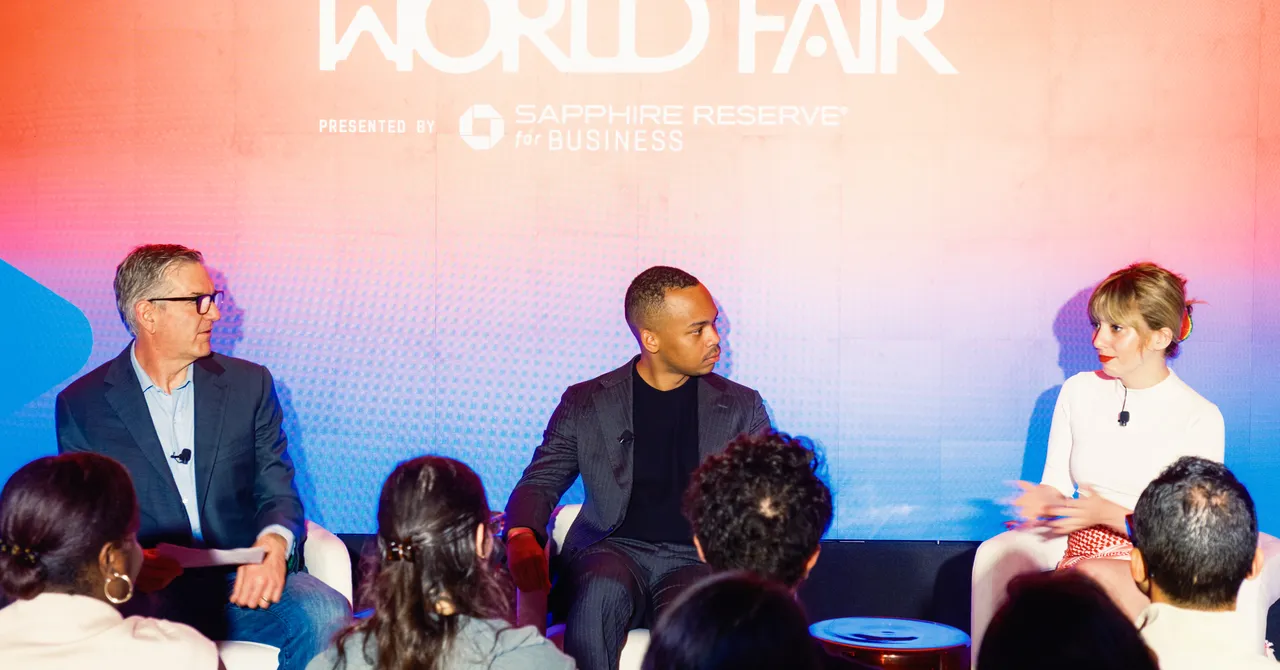
The White House’s increasingly internet-driven political messaging is drawing criticism over its reliance on attention-grabbing content, artificial intelligence and algorithms. Former Media Matters reporter Abu Ghazaleh argues that this approach can turn brutality into entertainment, while Pearson says the administration’s online strategy reflects the short attention spans of its audience. Despite their political differences, both warn that algorithmic feeds are creating echo chambers and eroding a shared public reality.
Politics in a “chronic online” environment
Pearson describes the current media environment as “a very chronic online regime.” Because people have short attention spans, he says political communicators must make their content interesting to keep audiences engaged.
Not all of the White House’s efforts have been well received by the right wing. Pearson considers the administration’s decision last year to distribute portions of the Epstein files to 15 right-wing creators a “misstep.”
For Abu Ghazaleh, the government’s widespread use of internet culture points to something more troubling. She cited the Department of Education’s recent use of the gender-biased Harry Potter fascist-symbolism “Malfoid” meme, which she said was promoted to an “incel” and “too online” audience.
She also criticized the White House’s embrace of what she called the “AI sloppiness and brutality” visible in advertisements about ICE operations. Rather than informing the public, she said, the material is “turning brutality into content.”
“They’re trying to mess with your attention span,” she said.
Sharp political disagreements
Abu Ghazaleh and Pearson hold sharply different political views. Pearson said the WIRED forum included difficult exchanges, including debates over whether ICE facilities can be called “concentration camps”—a term Abu Ghazaleh consistently uses.
Abu Ghazaleh was arrested last year while protesting outside an ICE facility. The charges were dropped by a grand jury over alleged prosecutorial misconduct.
The discussion also addressed whether Elon Musk has turned X into a “bastion of free speech.”
Photo: Darrell Jackson
Algorithms and the loss of a shared reality
Despite their disagreements, both participants agreed that dependence on algorithms is increasingly creating echo chambers among young Americans across both major parties.
“The algorithm shows us what you want to see,” Pearson said. He noted that friends on the political left sometimes send him articles about political subjects he has never encountered before.
“The deeper question is: Is it good for society or is it good for democracy?” he said.
Abu Ghazaleh agreed. “We don’t have a shared reality,” she added.
Source: www.wired.com