


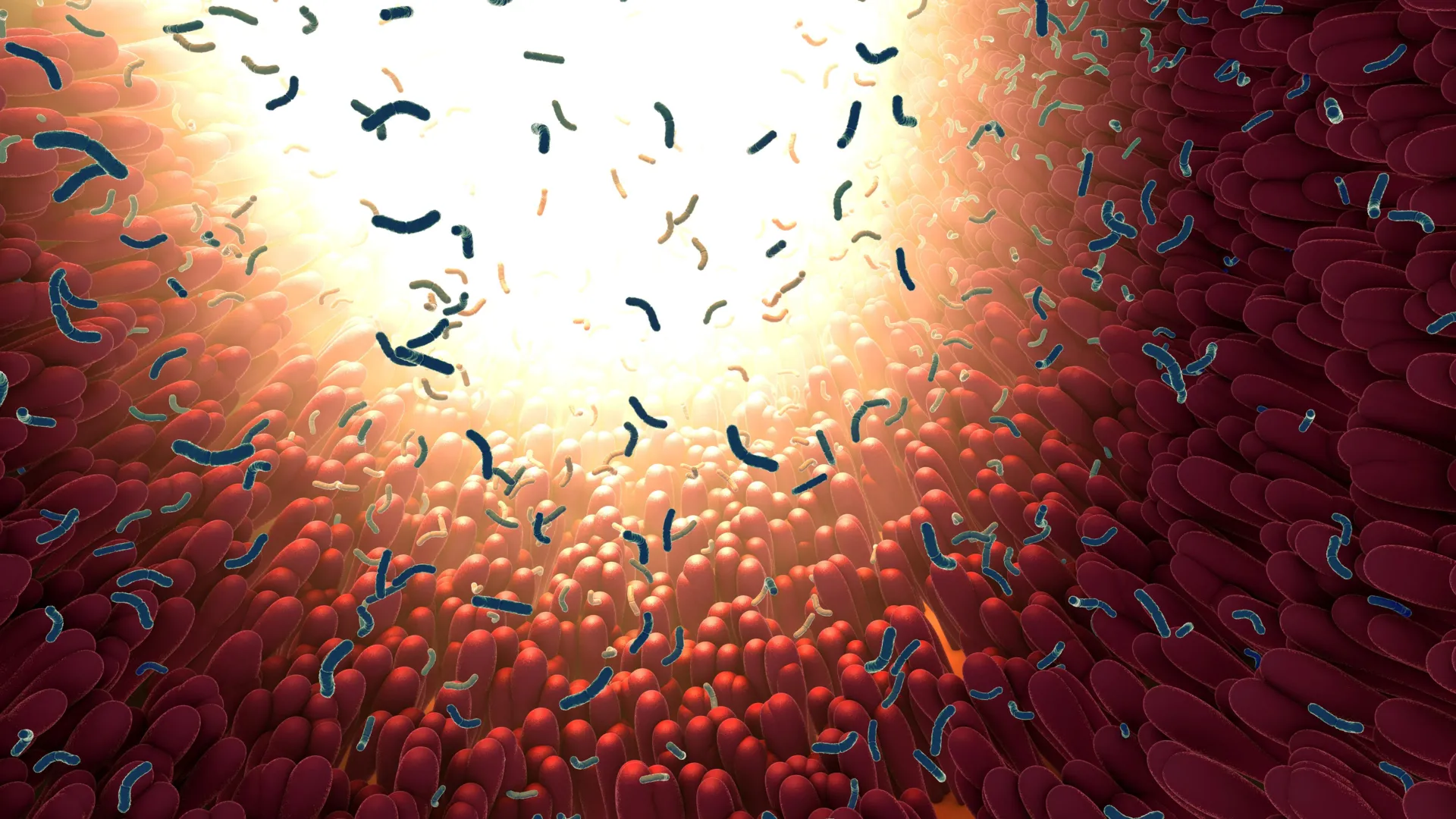
The human gut contains trillions of microorganisms known collectively as the gut microbiome. These bacteria and other microbes play essential roles in digestion, immune health, and metabolism. New research led by the University of Vienna shows that many gut bacterial species are more genetically and biologically diverse than previously believed.
Using an analytical approach called “reverse ecology,” researchers found that individual gut bacterial species can contain multiple evolutionarily distinct populations. Each population may be adapted to different conditions in the intestine, with some linked to older age, chronic inflammatory bowel disease, colorectal cancer, and type 2 diabetes.
Published in Nature, the findings could help scientists identify more precise gut microbiome biomarkers. In the future, these discoveries may support treatments designed to target specific bacterial populations instead of entire species.
Why bacterial species may not tell the whole story
Most gut microbiome studies classify bacteria by species or broad genetic similarities. While these categories are useful, they may overlook important differences among bacterial populations adapted to distinct environments inside the human body.
This limitation can make it challenging to determine which gut bacteria are directly involved in disease, which are present by chance, and which may help protect against illness.
To address this problem, the researchers investigated whether signs of adaptation and specialization in the gut could reveal bacterial groups that are more biologically meaningful than conventional species classifications.
Using genetic data to track bacterial evolution
The research team analyzed thousands of bacterial isolates collected from the human gut, along with extensive metagenomic data from people in multiple countries and across different age and health groups. Metagenomics provides information about the complete genetic makeup of the microbial community found in a sample.
The scientists developed a bioinformatics method based on “reverse ecology,” which uses genomic data to determine how organisms have adapted to specific environments.
Their goal was to identify genetic signatures showing that particular bacterial populations were well suited to specific ecological niches within the intestine.
Distinct populations hidden within familiar gut bacteria
One important clue was evidence of a “genome-wide selective sweep.” This process occurs when an organism gains a beneficial mutation that gives it an advantage over closely related individuals. As the organism reproduces, its descendants can become dominant within the population.
Genome-wide selective sweeps reduce genetic diversity within successful populations. They can also create groups of bacteria that share similar ancestry and biological functions, making them easier to distinguish from neighboring populations.
The analysis revealed that many familiar enterobacterial species are divided into several distinct evolutionary lineages. These bacterial populations appear to be adapted to different conditions within the human intestine.
“Taking evolutionary adaptations into account, rather than simply counting species, allows us to identify biologically relevant units within the microbiome more precisely,” says lead author Xiaoqian Annie Yu of the Center for Microbial and Environmental Systems Sciences (CeMESS) at the University of Vienna. “Even within the same bacterial species, some populations are more common in certain diseases than others. When they are analyzed together, these differences can remain hidden.”
Gut bacteria can spread across continents
The researchers also found evidence that highly competitive bacterial populations can spread rapidly across geographically distant regions. In some cases, these populations appear to have expanded across continents within only a few decades.
Similar patterns have mainly been observed in pathogens, making the discovery especially significant for common bacteria that live in the human gut.
“Our results show that gut bacteria are more dynamic than previously thought. Well-adapted strains can spread internationally and occupy new ecological niches,” says study leader Martin F. Polz of the University of Vienna.
The findings suggest that diet, medication, and lifestyle are not the only factors shaping the gut microbiome. Transmission between people may also influence which bacterial populations become established and spread within communities.
Toward more precise microbiome-based medicine
This discovery could change how researchers study the relationship between gut bacteria and disease. Instead of treating each bacterial species as a single biological unit, scientists may be able to focus on specific populations that have the greatest impact on human health.
Greater precision could improve the search for gut microbiome biomarkers and eventually support more targeted therapies. Future treatments may be designed to encourage beneficial bacterial strains while reducing populations associated with harmful health effects.
The researchers now aim to identify the genes that distinguish these bacterial populations and determine how their genetic differences affect biological functions in the human gut.
Source: www.sciencedaily.com