


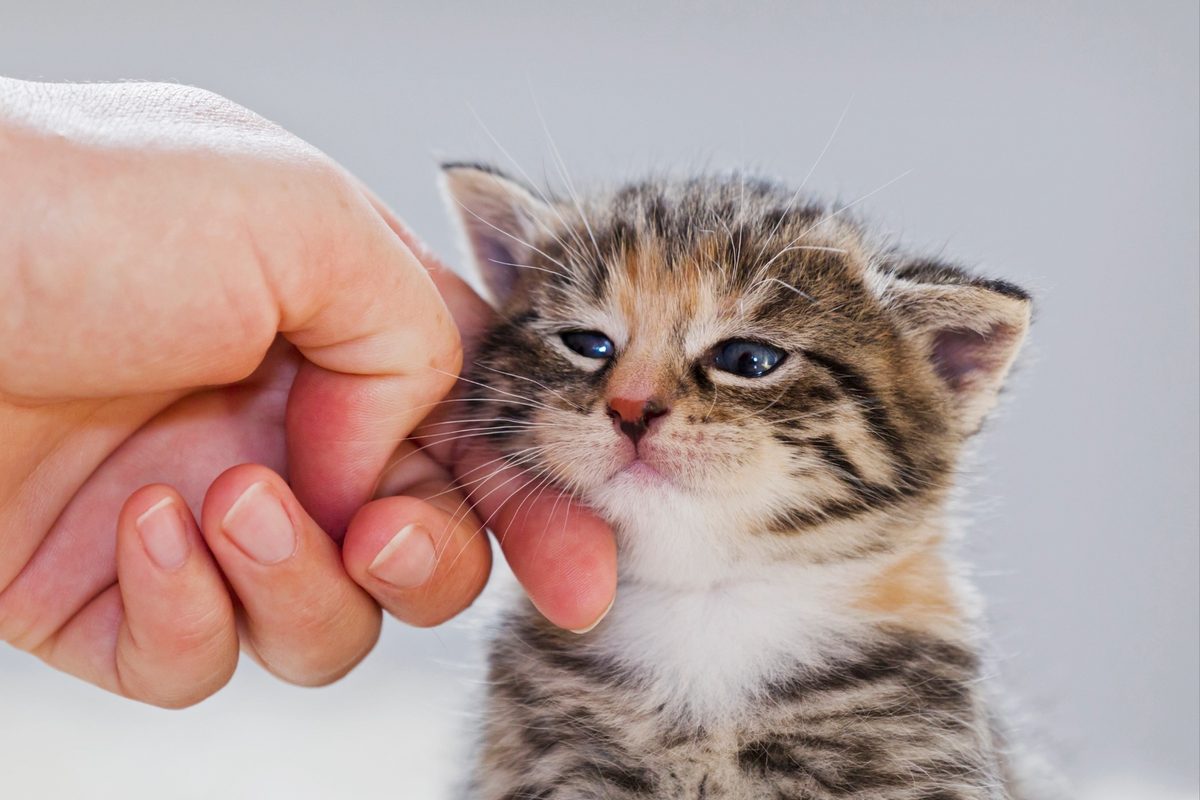
What is the best way to pet a cat?
Answer: It might not be how you think! While petting can be a way to bond with your feline friend, there’s no certainty your kitty will enjoy this interaction.
According to Dr. Lauren Finca from Nottingham Trent University, “While some cats enjoy frequent petting, many cats prefer not to be petted in the conventional way we like. They tolerate it, often due to the benefits of their relationship with you, like getting food, treats, and attention.”
“Remember, cats are not inherently social or tactile creatures when it comes to petting.”
If you think your cat is tolerating your affection just to score a meal, you might be spot on—especially if you’re frequently reaching for their backend.
“Scientific understanding of this behavior is still limited. We often believe that cats enjoy being stroked at the base of their tails, yet research findings indicate that this often results in negative behavioral responses,” explains Finca.
Similarly, avoid the abdomen, as cats instinctively protect this area due to their vulnerable organs. This can lead them to perceive such touches as threats.
Explore more about cat behavior:
“However, cats vary widely in their preferences. This variation depends on their personality and early experiences. Cats that were well-handled and socialized during their critical period (ages two to eight weeks) are generally more inclined to enjoy being petted,” says Finca.
“Just because a cat is friendly doesn’t mean they love to be petted. Even if your cat meows or nuzzles against you, it doesn’t guarantee they’re comfortable. Always pay attention to their body language.”
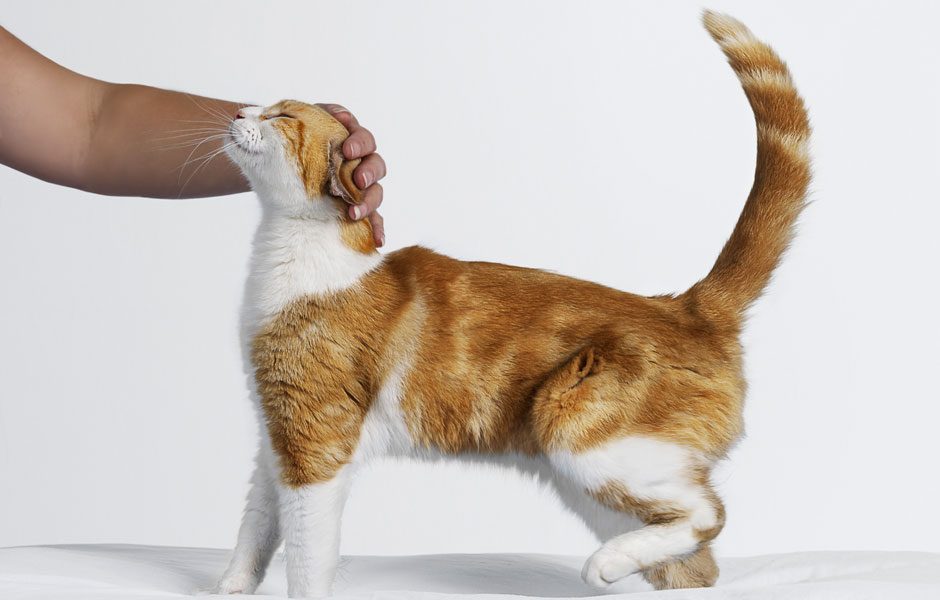
Look for subtle signs of what cat behaviorists term “negative arousal.” “When a cat is irritated, it may turn its head sharply toward your hand or stop actively soliciting interaction (like purring),” Finca describes.
“Typically, during these moments, their ears may not point straight ahead but rather be slightly rotated or flattened. Other signs include sudden grooming, wavy fur, nose licking, head shaking, or a tail that is low and twitching (a negative sign), while a tail raised vertically usually signifies ‘positive excitement.’”
“These subtle signs are common in many cats, but often go unnoticed, leading to misunderstandings about their feelings.”
What is the best way to stroke a cat?
As you’ve likely gathered, there are many common mistakes in petting cats. Generally, the areas where most friendly cats appreciate being petted include around the face, particularly the cheeks, base of the ears, and under the chin.
“This is likely because these areas house numerous scent glands, and cats rub these spots to communicate their scent, making the teasing touch pleasant,” Finca explains.
Of course, every cat is unique and may enjoy being petted in other areas. When uncertain, look for signs of “positive excitement” such as purring, rubbing, kneading, or a gentle wagging tail.
In summary, consider adopting the Finca petting guidelines (currently being researched for our feline friends at Battersea Dog and Cat Home) during your next petting session:
C: Choice and Control
- Gently extend your hand to the cat, allowing them to come to you. Let them choose whether or not to engage.
- If your cat approaches, it’s indicating they want to be touched. If not, respect their space.
- Give your cat control over how much petting they receive. Every 3-5 seconds, pause to “check in” – if they rub against you, they might want more; if not, they may need a break.
A: Observe Behavior
- Signs they need a break may include pausing, stopping purring, moving away, or flattening their ears.
- Other indicators could be shaking their heads, wavy fur, nose licking, or sudden grooming.
- Cat may turn their head sharply towards you or your hand.
- Sudden grooming for a brief period can also be a cue.
T: Where to Pet
- Most friendly cats enjoy being touched under the chin, around the cheeks, and at the base of the ears. Focus your petting in these areas.
- Avoid the back, legs, and tail; particularly the base of the tail and tummy. Keep a close eye on their body language to assess their comfort.
Follow these guidelines, and your cat may even end up loving you – or at the very least, lessen the chance of ending up on their “to destroy” list.
Learn More About Cat Science
Source: www.sciencefocus.com