


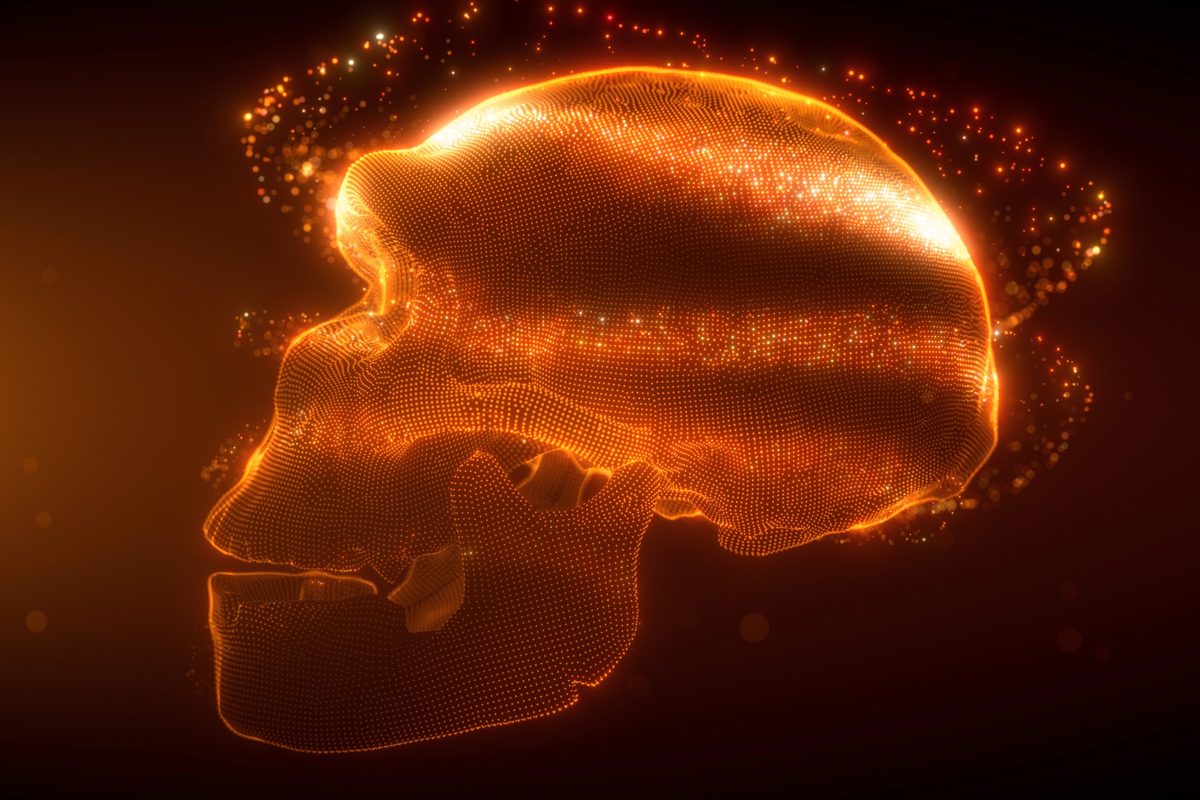
Recent research reveals that interbreeding was not the reason for the extinction of Neanderthal populations in Western Europe. For more details, check out the study published in Nature.
Previously, it was believed that genetic health declined due to interbreeding among closely related individuals, leading to Neanderthal extinction. However, researchers have discovered significant evidence from various early interbreeding groups, highlighting low genetic diversity akin to some endangered species we see today.
This genetic analysis, focusing on 27 individuals who lived in the Meuse Basin (spanning Belgium and France) around 40,000 to 49,000 years ago, found minimal interbreeding among close relatives, extending only to the third-degree level (e.g., cousins sharing 12.5% of their DNA).
According to the study’s authors, including Dr. Benjamin Peter, a computational geneticist at the Max Planck Institute for Evolutionary Anthropology in Germany, “This population in Belgium and France does not appear likely to go extinct, even though we know that it will eventually go extinct.”
Professor Omer Gokmen, an expert in evolutionary anthropology at the University at Buffalo, who was not involved in the study, stated in BBC Science Focus: “The new genome is a revelation given the lack of Neanderthal data.”
This study challenges the notion that Neanderthals were a vulnerable population weakened by inbreeding, leading to their eventual demographic collapse. Instead, it raises questions about what other factors contributed to their decline and eventual absorption by modern humans.
Neanderthals thrived in Europe and the Middle East for hundreds of thousands of years, successfully navigating significant climatic changes and the arrival of Homo sapiens, until their extinction approximately 40,000 years ago.
Several factors, including climate change, resource competition, and interbreeding with modern humans, have been suggested as potential contributors to their downfall.
Gokmen points out that the findings support the hypothesis that the fate of Neanderthal populations could have varied by region, indicating multiple influencing factors rather than a single cause.
Professor Chris Stringer, an emeritus professor at University College London and a research scientist at the Natural History Museum, remarked that the study suggests “other factors need to be considered” in Neanderthal extinction aside from interbreeding.
He elaborated, stating: “This unidirectional flow of genes into modern human populations supports my suggestion that late Neanderthals were losing fertile individuals due to genetic influences. The incorporation of Neanderthals into Homo sapiens populations may have contributed to their decline.” In essence, fertile Neanderthals might have continually integrated into Homo sapiens populations, while the Neanderthal population could not sustain itself amid these unilateral losses.
Read More:
Source: www.sciencefocus.com