


Patient: 83-Year-Old Man in Belgium
Symptoms: This patient was hospitalized due to sudden weakness and drooping on one side of his face, a condition known as unilateral peripheral facial paralysis. He had also experienced a fever that has since subsided.
Neurological tests revealed the patient exhibited symptoms of anemia, fatty liver disease, and an enlarged spleen. These clinical findings, combined with his recent fever, raised suspicion of a viral infection. Notably, he tested negative for several bacteria, including the Epstein-Barr virus, cytomegalovirus, human immunodeficiency virus (HIV), as well as hepatitis A, B, C, and E.
Despite a week of treatment, the liver abnormalities persisted, but facial paralysis improved after 10 days of corticosteroids. Within a month, the patient began experiencing stiffness and pain in his knees and ankles, along with swelling in his legs, feet, and sometimes his face and hands. He also noted a general feeling of malaise, an 11-pound weight gain (5 kg), and darker urine, despite increased water intake, indicating potential kidney dysfunction.
Alongside the recent symptoms, the patient has a history of high blood pressure, high cholesterol, an enlarged prostate, and chronic obstructive pulmonary disease (COPD). He was also diagnosed with rectal cancer 20 years ago and received various treatments over the years. He disclosed to physicians that his sexual activity with his wife of 50 years ceased post-treatment.
What Happened Next: After several weeks of hospital visits, the man presented to the emergency room due to intense itching and a red, scaly rash on his calf. A neurological examination showed “normal motor strength, sensation, reflexes, coordination, and gait,” according to doctors incident report.
In the ER, further inquiries into his medical history led the patient to reveal past unprotected sexual encounters with multiple casual partners during his military service. He mentioned previously being treated for various sexually transmitted diseases but was uncertain about specific diagnoses.
Get the world’s most fascinating discoveries delivered straight to your inbox.
Tests indicated anemia, blood in urine, and an abnormal level of protein. Additionally, signs of autoimmune disease were present, including elevated levels of antinuclear antibodies. With his recent history of facial paralysis, physicians examined cerebrospinal fluid, revealing elevated white blood cell counts indicative of an active infection.
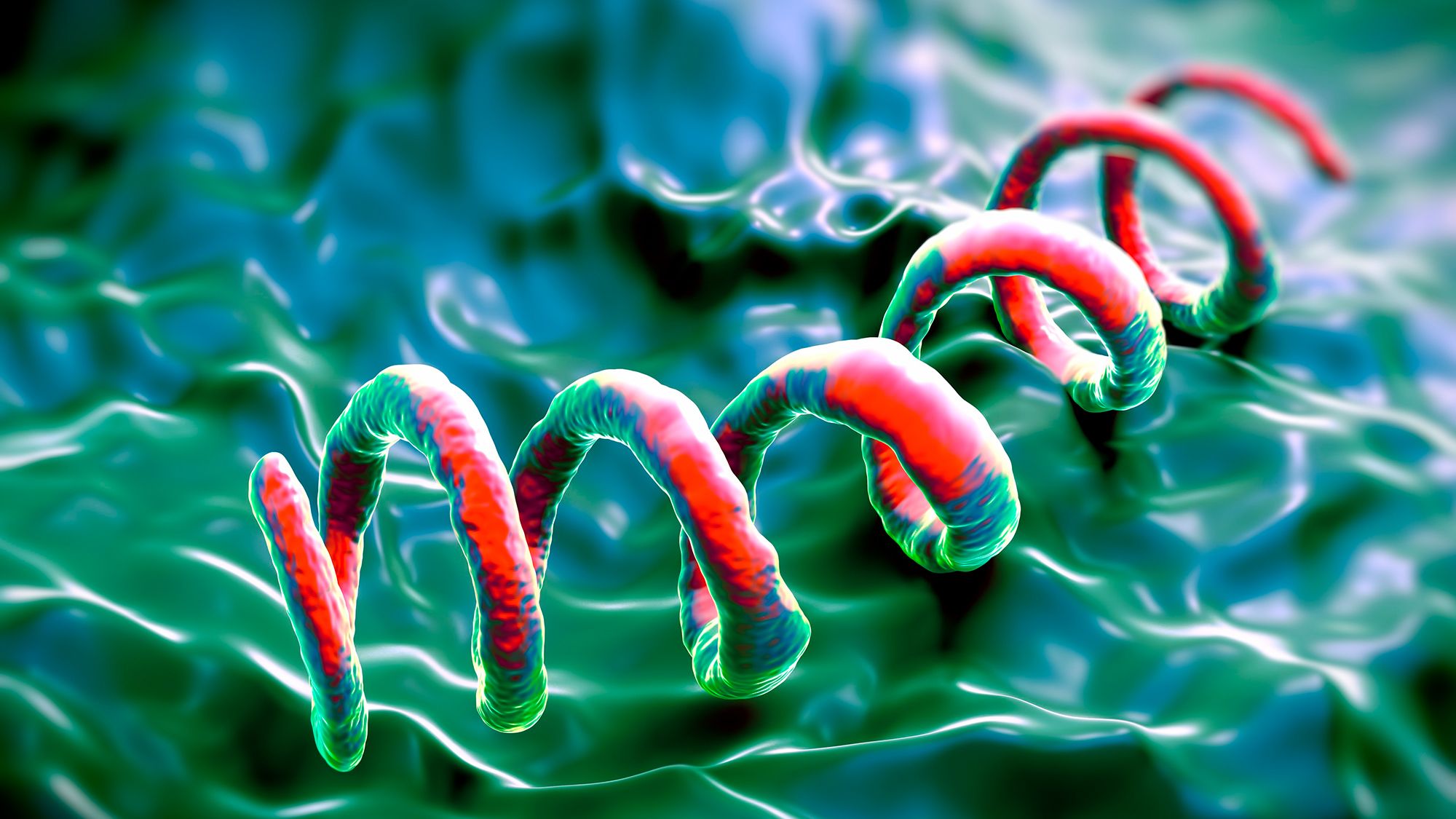
Diagnosis: HIV and tuberculosis tests were negative; however, tests for Treponema pallidum, the bacterium causing syphilis, returned positive, confirming an active syphilis infection.
Syphilis progresses through four distinct stages, each presenting various symptoms. Without timely treatment during the primary and secondary stages, the bacteria can remain dormant for years, potentially reactivating late in the course of the infection.
More recent unreported exposures need to be considered.
The symptoms of rash, malaise, abnormal liver function, proteinuria, facial drooping, and swollen lymph nodes led the doctor to diagnose secondary syphilis with early neurosyphilis, indicating the bacterium’s invasion of the nervous system.
Treatment: The patient received one dose of penicillin before the neurological involvement was confirmed and subsequently was treated with 14 days of intravenous penicillin, recommended for neurosyphilis cases as per the associated report.
Antihistamines addressed the severe itching, while diuretics helped alleviate leg swelling. By the next month, the patient showed improvement, with significant reduction of the rash, itching, and swelling; liver function tests and urine output had normalized.
Public health authorities were notified of the syphilis diagnosis, and the patient’s wife was referred for testing, though the report does not clarify if she tested positive.
What’s Unique About This Case: Secondary syphilis typically manifests internally. In untreated cases, it rarely presents after four years. Primary syphilis causes hard, smooth lesions primarily located on the mouth and genitals, which disappear; untreated primary syphilis leads to secondary syphilis within months.
“Despite the patient’s history of multiple STIs in his youth, it’s unlikely they solely explain his current condition,” the medical team noted.
The individual might have an underlying infection that reactivated, possibly due to the immunosuppressive effects of recent steroid therapy. However, such reactivation would usually lead to tertiary syphilis symptoms, not those typical of secondary syphilis.
Thus, determining the precise moment of the man’s infection remains challenging. “Consideration of more recent, unreported exposures is essential,” the doctors concluded.
Additionally, syphilis rarely affects the liver or kidneys, according to existing case studies, and occurs in less than 10% of incidents.
Explore our collection for more intriguing medical cases in Diagnostic Dilemma Archives.
This article is for informational purposes only and does not provide medical advice.
This article was first published on February 18, 2026.
Topics
Source: www.livescience.com