


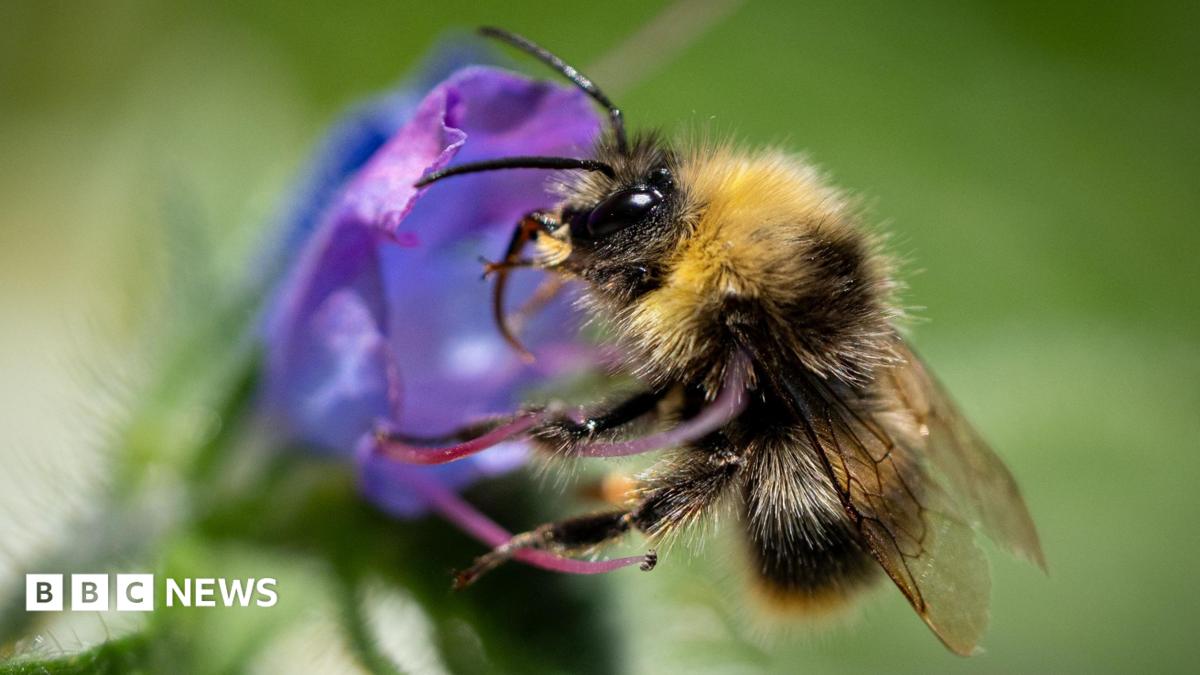
Heatwaves have a dual impact on bumblebees, particularly in the UK.
British bumblebee species are traditionally adapted to cooler climates, featuring thick, furry bodies that effectively trap heat, alongside powerful flight muscles that maintain warmth during flights.
During a heatwave, however, the increased muscle activity generates excessive heat, while their dense fur and rounded physique hinder heat dissipation.
Dr. Richard Commont, the scientific manager of the trust, states that British bumblebees may struggle to fly without overheating when temperatures soar between 28 and 32 degrees Celsius. A lack of flight means a lack of food.
“They essentially cook themselves from the inside out,” says Commont. “When internal body temperatures exceed 40 degrees, they face mortality challenges.”
Data from Beewalk indicates a significant population decline in 2022, coinciding with three official summer heatwaves, during which temperatures reached a staggering 40.3°C.
The three most common UK bumblebee species—the red-tailed bumblebee, buff-tailed bumblebee, and common carder bumblebee—experienced population reductions of 20%, 25%, and 35%, respectively, plummeting to levels well beneath normal. This decline persisted into mid-autumn as colonies faced increased struggles.
The repercussions appear to extend beyond summer. Beewalk data reveals that queen populations were notably below average in March, April, and May 2023.
Source: www.bbc.co.uk