


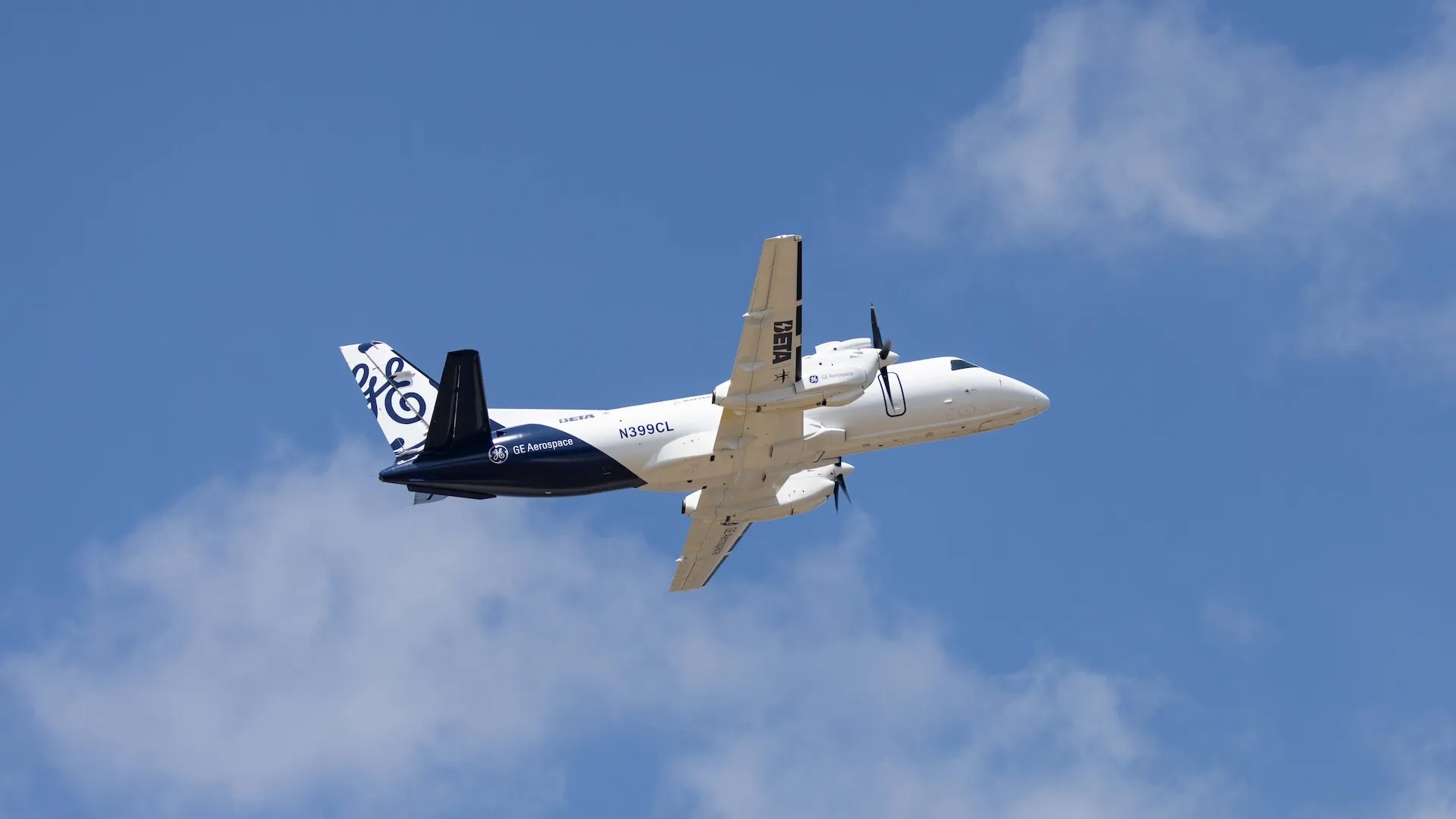
Powered by a cutting-edge megawatt-class hybrid electric engine, developed in collaboration with NASA and manufactured by GE Aerospace, this innovative aircraft is set to inspire a new generation of fuel-efficient aviation technologies.
The hybrid electric engine was installed in a Saab 340B aircraft, marking its public debut at the Farnborough International Air Show in the UK. This significant event showcases the first hybrid-electric aircraft to successfully fly above 30,000 feet, following extensive historic test flights in recent months.
“This achievement exemplifies NASA’s commitment to pioneering aviation advancements. We explore bold possibilities, rigorously validate them through research and testing, and collaborate with industry to transform groundbreaking ideas into technologies that provide real value to the American public,” stated Laurie Grindle, Director of Aviation for the NASA Research and Technology Mission Directorate based in Washington.
The successful test flight builds on the foundational work established by NASA’s previous Electric Powertrain Flight Demonstration Project and the ongoing Subsonic Vehicle Technology and Tools Project, both of which include significant testing at NASA’s various facilities.
The integrated engine features an electric motor, gas turbine, and energy storage, designed to power aircraft approximately the size of regional-class jets. This revolutionary system aims to lower fuel consumption and costs, all while maintaining top-notch performance. The technologies and designs derived from this engine are projected to lead to future hybrid systems that can significantly reduce operational expenses for airlines.
This demonstration flight is the result of years of rapid technological advancements. It also revisits research from a time when hybrid air propulsion appeared almost out of reach for NASA.
Laurie A. Grindle
Director of the Aviation Division within NASA’s Research and Technology Mission Directorate
“This is the culmination of over 15 years of dedicated research that can drastically impact aircraft performance, reduce energy consumption, and benefit American businesses and the public,” remarked Ralph Jansen, an aerospace engineer at NASA’s Glenn Research Center. “It’s about having the vision to pursue what seems impossible and systematically conducting the research and development needed to turn it into reality.”
This milestone was achieved through the combined efforts of hundreds involved in the electric powertrain flight demonstration and subsonic vehicle technology projects across various NASA centers, in collaboration with GE Aerospace and its partner companies.
In recent years, the aviation industry has experienced a surge in small aircraft and drones powered by battery-driven electrical systems. However, large passenger and cargo aircraft necessitate advanced engines capable of generating substantial power. Thus, when NASA began exploring hybrid systems over a decade ago, the integration of electric motors as a power supplement presented considerable engineering challenges.
NASA invested nearly seven years in a preliminary study, collaborating with small businesses and other stakeholders to address technical hurdles and evaluate the commercial viability of hybrid systems. This effort encompassed overcoming various implementation barriers, including power supply, thermal management, battery technology, engine designs, and aircraft integration.
Through the agency’s Electric Powertrain Flight Demonstration Award, GE Aerospace and NASA have worked together to create lighter, more efficient power systems featuring significantly smaller components.
NASA and GE Aerospace capitalized on the agency’s facilities and resources to further their research. In 2022, GE Aerospace tested an integrated version of this propulsion system at NASA’s Electric Aircraft Testbed, located at the Neil A. Armstrong Test Facility in Sandusky, Ohio. This testing simulated conditions at an altitude of 45,000 feet, which is typical for commercial single-aisle aircraft.
The team incorporated elements such as electric motors, power converters, propellers, and GE Aerospace’s commercial engines, progressing through rigorous ground tests and final flight evaluations. For the researchers who have dedicated years to this concept, witnessing an engine power an aircraft in flight symbolizes a significant advancement on their journey.
“I was genuinely impressed to see this aircraft in flight. It was truly remarkable,” stated Jansen. “It operates just like a conventional airplane, which is perhaps the most exciting aspect of this innovation.”
Currently, NASA continues to support this groundbreaking research through the Aeronautics Division of the Research and Technology Mission Directorate.
Source: www.nasa.gov