


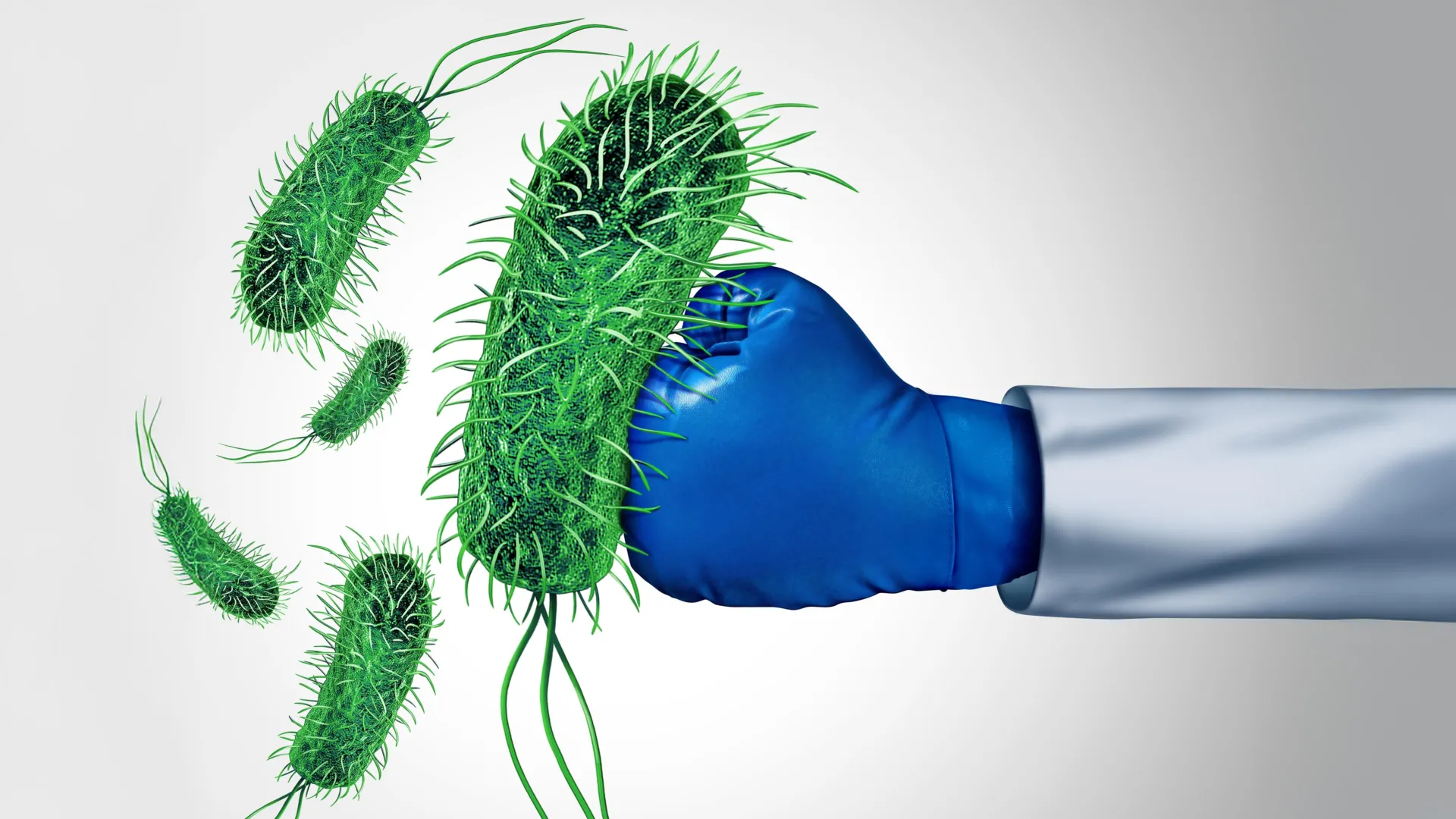
Antibiotic resistance is emerging as one of the most significant threats to modern medicine. As bacteria continue to evolve, many drugs that were once considered reliable may lose their effectiveness. This evolution can complicate the treatment of common infections and heighten risks associated with routine surgeries, cancer therapies, and various medical procedures.
Researchers globally are actively seeking innovative solutions to combat these rapidly evolving microorganisms. One promising approach involves enhancing the efficacy of existing antibiotics instead of solely developing new ones. This concept revolves around antibiotic adjuvants—companion molecules designed to restore the potency of antibiotics rather than directly targeting bacteria.
Accelerating Drug Discovery Through Novel Molecules
Professor John Moses and his research team at Cold Spring Harbor Laboratory (CSHL) have dedicated years to refining chemical processes that expedite drug discovery.
Utilizing a method known as diversity-oriented clicking (DOC), developed in Moses’ lab, the researchers have created a library of over 150 distinct compounds. These molecules have already contributed significantly to research focused on antibiotic resistance and cancer therapies.
In collaboration with Scripps Research, this compound library has played a vital role in restoring the effectiveness of vancomycin—a potent antibiotic effective against MRSA and Clostridium difficile. Both of these pathogens have the potential to develop resistance, leading to “superbugs” that evade frontline treatments like vancomycin, which can then proliferate in hospitals, nursing homes, and the wider community.
Reviving Vancomycin’s Efficacy Against Resistant Bacteria
In a groundbreaking study, scientists in CSHL’s Moses lab teamed up with Professor Howard Han’s team at Scripps to explore methods for restoring vancomycin’s effectiveness.
The researchers focused on a bacterial enzyme known as secreted antigen A (SagA) and inhibited its function using a small molecule called pghi-4, first identified in Moses’ lab in 2020.
When E. faecium strains exhibiting drug resistance were treated with both vancomycin and pghi-4, the antibiotic regained its capability to eliminate the bacteria.
According to Moses, one of the discovery’s most remarkable facets is that this research did not originate from a quest for new antibiotics.
“This finding emerged from fundamental chemical research,” he states. “Our development of reactions led to the identification of the first inhibitors for key enzymes implicated in antibiotic resistance. We continuously refine our molecular library to keep it current and accessible for our collaborative research efforts.”
A Comprehensive Strategy Against Superbugs
By offering this molecular library to other researchers, the team aims to inspire similar methods that may contribute to treatments for various drug-resistant infections, including resistant strains of tuberculosis.
“This work embodies a chemical philosophy focused on accelerating drug discovery in its purest form,” explains Moses. “By utilizing dependable, robust, and intelligent chemical reactions, we can construct new molecules more efficiently—exactly the methodology applied in this research.”
As the global incidence of antibiotic resistance continues to rise, these findings indicate that significant medical advancements could emerge from rethinking the chemistry behind existing drugs. Future therapies may not solely rely on new antibiotics but instead focus on meticulously designed molecules that rejuvenate the effectiveness of established antibiotics.
Funding
Supported by the National Institutes of Health, National Cancer Institute, Australian Research Council, New York State Biodefense Commercialization Fund, FM Kirby Foundation, and Starr Foundation.
Source: www.sciencedaily.com