


The Coyuchi Natural REM organic mattress features GOTS-certified organic cotton and wool layers, along with GOLS-certified Dunlop latex. While the finished mattress does not carry additional certifications beyond GREENGUARD Gold, its undyed materials may appeal to sleepers who prefer to avoid industrial dyes. Like many of the best organic mattresses, the Coyuchi Natural REM is made without added chemicals, synthetic foam, or adhesives. It also includes a 100-night sleep trial, allowing you to receive a full refund if the mattress is not the right fit.
Coyuchi’s Natural REM organic mattress is made to order in the United States. The company provides a 100-night trial and allows returns for up to 180 days, although a $150 restocking fee applies to returns made after the trial period. The mattress also includes a 25-year warranty.
The Coyuchi Natural REM mattress ranges from $1,400 for a twin to $2,400 for a California king.
The Best Organic Mattress for Kids
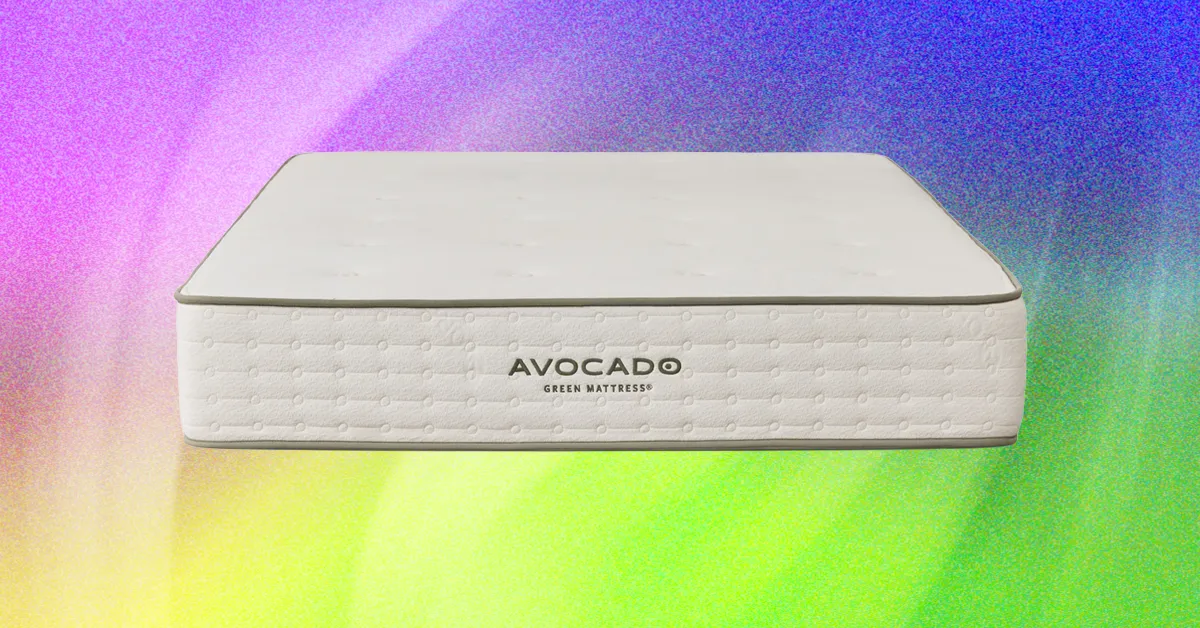
My search for the best organic mattress for kids began with my own children. I pay close attention to the materials they sleep on, but the Avocado Green mattress is a significant investment. For a more affordable alternative, I chose the Kiwi Children’s Mattress from My Green Mattress. Like our top-rated Avocado mattress, the Kiwi is a hybrid design with individually pocketed coils and natural materials, including certified organic cotton, wool, and latex. It is also one of the few organic twin mattresses readily available.
The Kiwi’s reversible design is especially useful for children. Although the two-sided version costs more initially, flipping the mattress can help extend its lifespan—an advantage for kids who treat their beds like indoor trampolines. The Kiwi has a noticeably firm feel, but I found it comfortable, and my children enjoyed sleeping on it when they were younger.
Like our top organic mattress pick, the My Green Mattress Kiwi uses GOTS-certified cotton and GOLS-certified latex. It also holds GREENGUARD Gold certification and MadeSafe certification.
Source: www.wired.com