


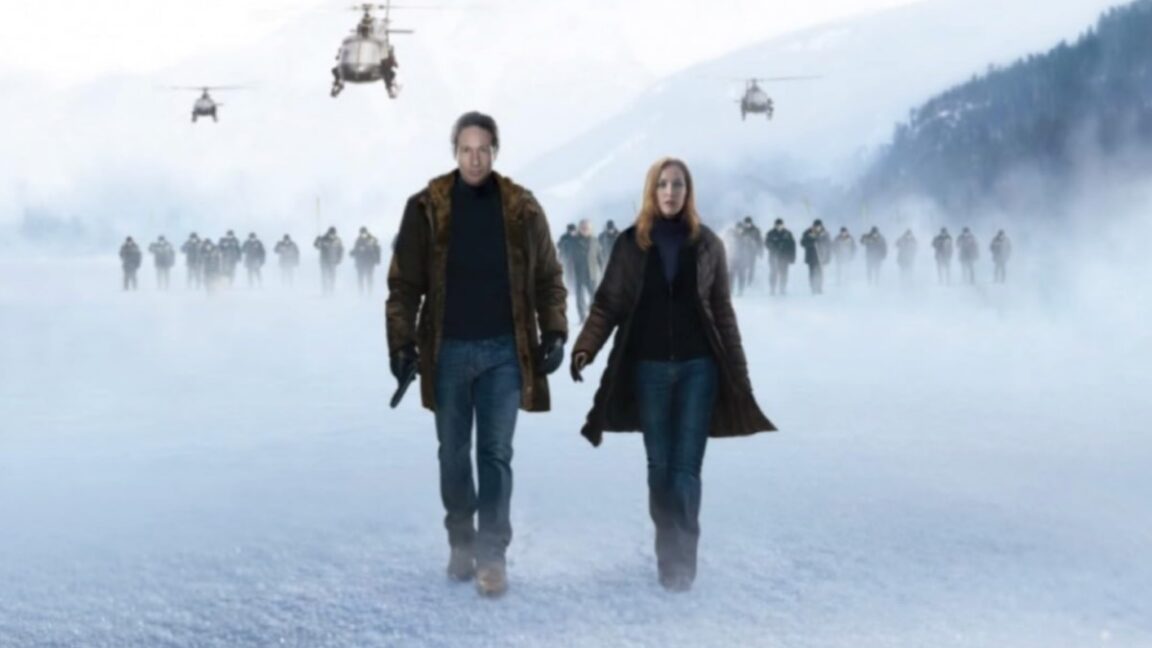
Ars Technica: The director’s cut involves more than restoring deleted scenes. You completed a full re-edit of the film. What inspired that decision?
Chris Carter: I worked with two editors I respect and had collaborated with before. I asked them to revisit the movie and help refine the cuts so it could become the scary film I originally intended to make. It was a courageous thing for them to do. The movie had originally been edited by an Academy Award-winning editor, so re-editing that person’s work required real confidence and sensitivity.
Of everyone involved, the editor was the person who helped me most in re-approaching the film. I handed over the reins early in the process. When the editors returned their cuts, I began working with them to shape the final version. They added scenes, removed material, and restructured major sections of the story.
My goal was to create a movie that was both frightening and effective. The X-Files: I Want to Believe is also a romantic story about Mulder and Scully, set against the backdrop of an X-Files investigation. I wanted to remaster and re-edit it because I felt the balance between the relationship and the horror elements was not quite right in the original 2008 release.
Provided by 20th Century Studio
Chris Carter on location during the filming of The X-Files: I Want to Believe.
Provided by 20th Century Studio
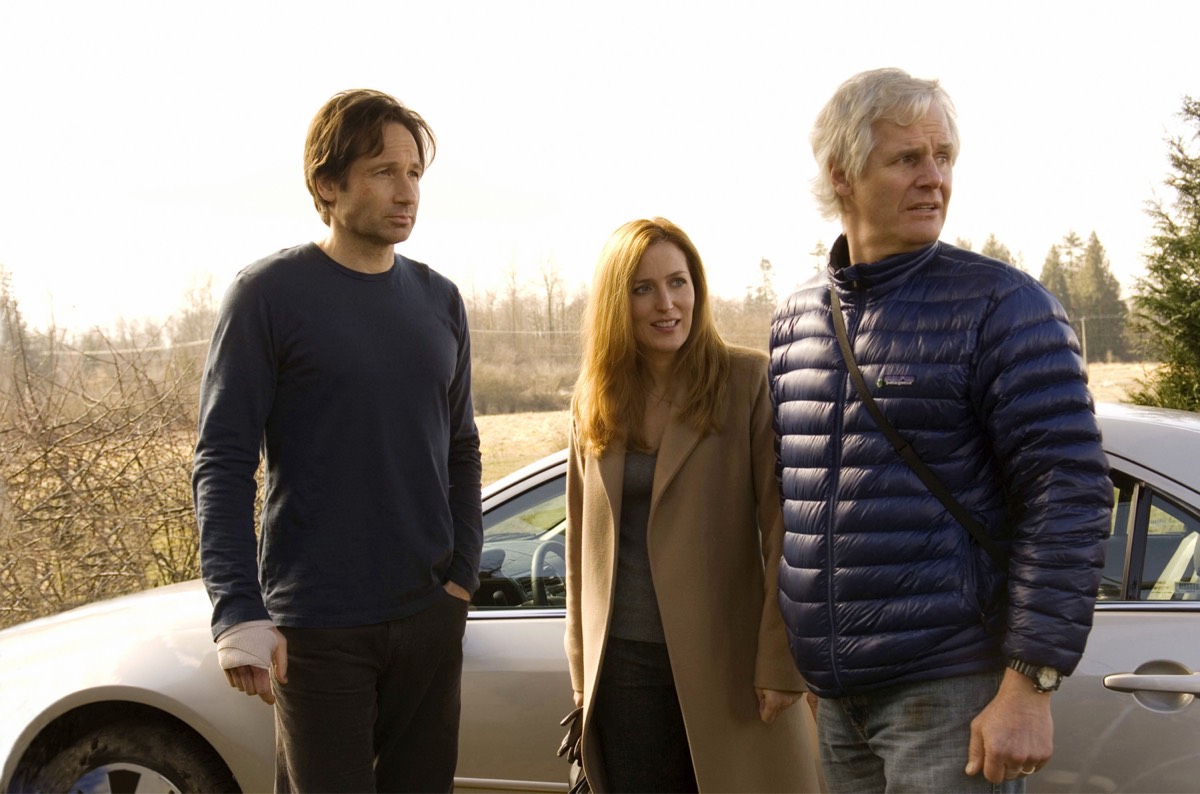
Provided by 20th Century Studio
Chris Carter joins David Duchovny and Gillian Anderson on the set.
Provided by 20th Century Studio
Chris Carter on location during the filming of The X-Files: I Want to Believe.
Provided by 20th Century Studio
Chris Carter joins David Duchovny and Gillian Anderson on the set.
Provided by 20th Century Studio
Ars Technica: Vrak Frankenstein means “Dr. Frankenstein” in Russian. You have explored similar ideas throughout The X-Files. What continues to draw you to that theme?
Chris Carter: The idea of creating new life and breathing life into something inert has always fascinated me. Mary Shelley’s story is very different from the original Frankenstein film adaptations. In the novel, lightning is not used to bring the creature to life. The story is more complex and, in many ways, closer to an X-Files story.
I have always been inspired by Frankenstein and its themes. That influence can be seen in episodes such as “The Post-Modern Prometheus,” where science, creation, and humanity intersect. Those ideas continue to live and evolve in different parts of the world, which makes them especially compelling for The X-Files.
Ars Technica: Mulder and Scully have remained one of television’s most enduring romantic pairings. What makes their relationship so compelling, even when they are not officially together?
Chris Carter: Scully is a scientist, while Mulder believes in the paranormal. Their ability to disagree while still respecting one another is central to their relationship. For me, that mutual respect is what makes them such an ideal couple.
Their connection feels inevitable—almost like destiny. I believe everyone has a path, although we cannot always see it clearly. Sometimes that path reveals itself naturally. Mulder and Scully discover their own way forward while traveling together, through difficult moments and triumphs, for better or worse.
Source: arstechnica.com