


1,800-Year-Old Vandal Shield Boss Found in a Polish Junkyard
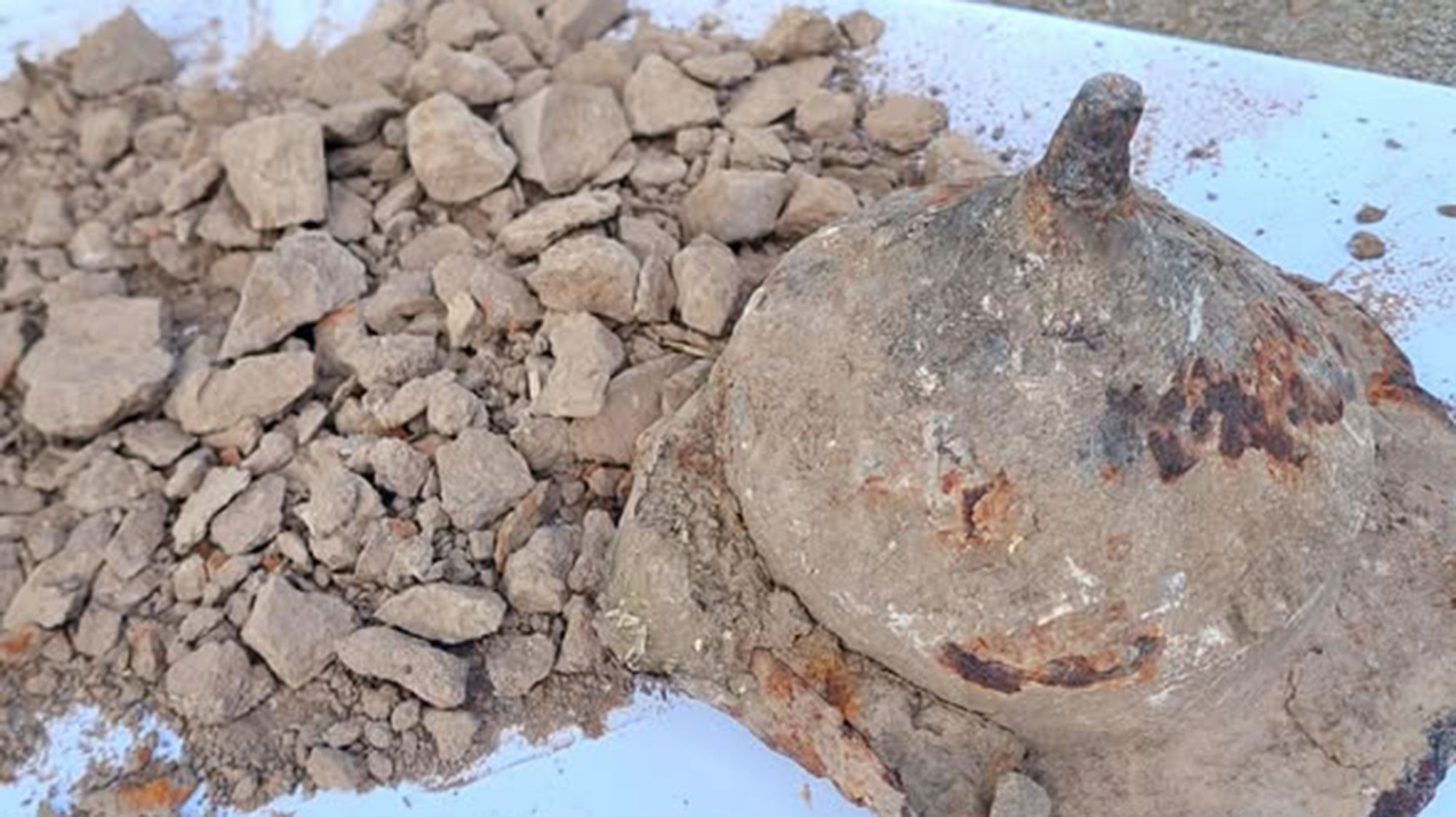
The iron shield boss was covered in hardened earth when it was discovered.
(Image credit: Bartłomiej Bartecki, Hrubieszów Museum)
A man searching for spare car parts at a junkyard in southeastern Poland made an extraordinary archaeological discovery: the central iron fitting from an approximately 1,800-year-old shield. Even more remarkably, the ancient shield boss contained cremated human bones.
Archaeologists believe the artifact belonged to a Vandal warrior who lived in the region during the second century A.D. The Vandals were a Germanic people associated with Poland’s Przeworsk culture. Centuries later, some Vandal groups migrated south and eventually established a kingdom in North Africa in A.D. 429.
The cremated remains inside the artifact may provide evidence of a Vandal funerary tradition. However, researchers say the original burial site has been lost, most likely because the grave was disturbed long ago.
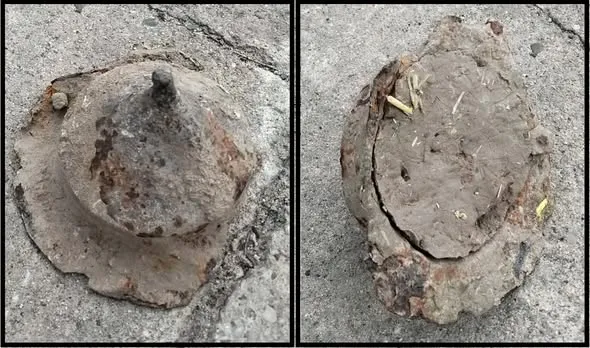
The ancient shield boss, or umbo, was recovered in southeastern Poland.
(Image credit: Bartłomiej Bartecki, Hrubieszów Museum)
What Is a Shield Boss?
A shield boss, also called an umbo, was the protective metal fitting positioned at the center of a wooden and leather shield. It covered the warrior’s hand and helped reinforce the shield during combat.
Although the wood and leather portions of this shield have decayed, the iron boss survived. Its pointed shape and distinctive construction led archaeologists to date it to the second century and associate it with the Vandals rather than the Roman military.

Archaeologists believe the ash contains remains from the cremation of a Vandal warrior.
(Image credit: Bartłomiej Bartecki, Hrubieszów Museum)
How the Ancient Shield Was Found
The shield boss was discovered earlier this month in a junkyard near Hrubieszów, close to Poland’s southeastern border with Ukraine. The finder recognized that the object could be ancient and promptly sent photographs to local police and the Hrubieszów Museum.
Museum archaeologists examined the artifact and found a plug of dry soil inside the metal boss. That soil contained small fragments of cremated bone, suggesting that the object had been buried as part of a funerary deposit.

A plug of dry earth inside the shield boss contained cremated bone fragments.
(Image credit: Bartłomiej Bartecki, Hrubieszów Museum)
Evidence of a Vandal Cremation Burial
The condition of the iron umbo offers additional clues about its history. According to museum officials, the surface shows signs of exposure to high temperatures. Combined with the burned bone fragments, this strongly suggests that the shield was connected to the cremation of a Vandal warrior.
The Vandals are closely linked to the Przeworsk culture, an archaeological culture identified through settlements, weapons and burial sites in parts of present-day Poland. Cremation was a common funerary practice among some communities associated with this culture.
Unfortunately, archaeologists may never know what other objects were buried with the warrior. The original grave could have contained weapons such as swords, spears or spearheads, along with belt buckles, cloak fasteners and other personal belongings. Because the burial site was destroyed, those artifacts are now lost to researchers.
Can you identify ancient objects from archaeological fragments? Take our archaeology artifact quiz.
Source: www.livescience.com