


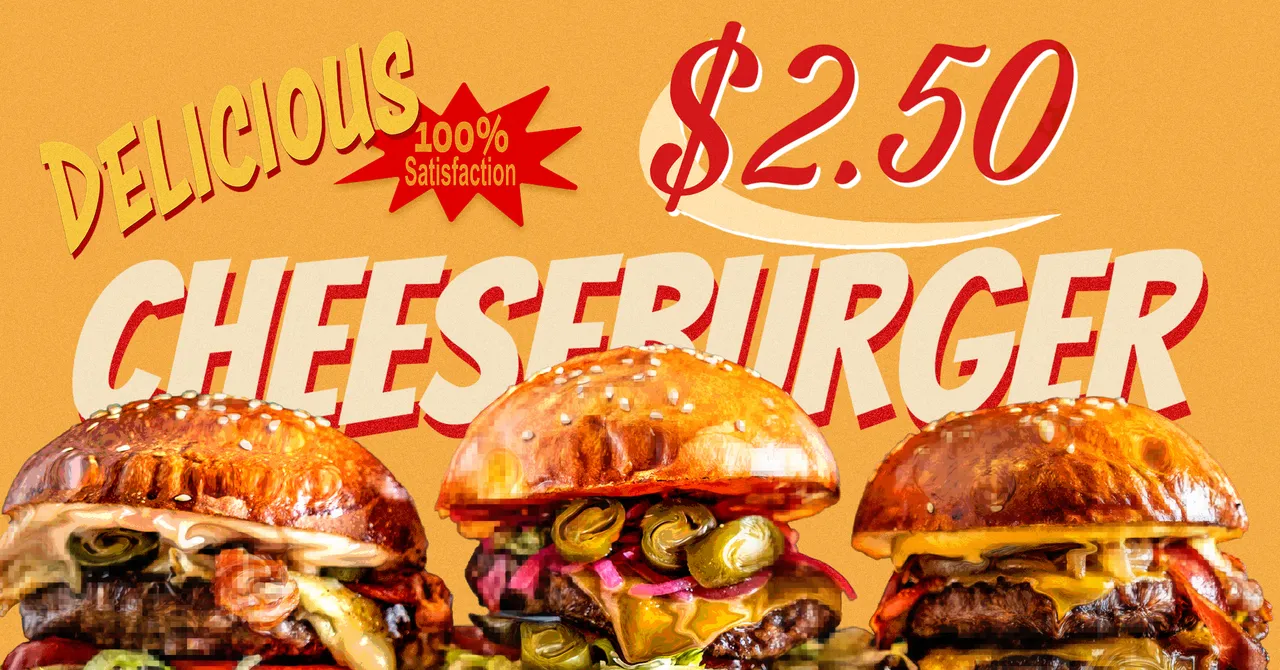
I can’t stop staring at the unsettling AI-generated food images displayed on my way to work each morning. Menus outside taco trucks feature eerie, unappetizing dishes that look as though they were drawn from memory by aliens who have never eaten human food. And this food truck is far from the only business using artificial intelligence to create menu images. AI-generated restaurant food photography is everywhere.
The latest wave of AI menu slop is going viral because of how disturbing it looks. These posters appear to be part of the same trend as the ChatGPT flyer pandemic, including images of a burrito infested with maggots and plastic-like pasta. Online, customers are sharing how unpleasant these fabricated food photos look. Some images feature random holes across a plate, distorted ingredients, or bizarre cuts of meat presented as appetizers.
Although these AI-generated food images are the most visible examples, they represent only one part of the way generative AI is changing restaurant menus. Businesses are not just using AI to create a picture of a burger; some are also relying on artificial intelligence to decide what goes between the buns.
Digital demand
The rise of online restaurant menus helped create the conditions for today’s AI-generated menu images. More customers now choose what to eat through digital menus and order delivery from their phones. As restaurants compete for attention online, many have digitized their menus and added more food photography and promotional visuals.
Restaurants hoping to increase delivery sales have turned to AI image generators to improve their visibility on third-party platforms such as DoorDash—without paying for professional photography. The most advanced AI models can produce remarkably realistic food images, but many restaurant listings appear to rely on less capable tools, including the default settings of free chatbots.
“One night I ordered a pizza on Uber Eats,” says Brendan Sweeney, CEO and co-founder of Popmenu, a digital marketing software company for restaurants. “There were five pizza places using the same AI-generated images,” he says. When a food image looks “totally unreal” and “clearly AI-generated,” the restaurant may be making a worse choice than showing no photo at all.
What began as a response to digital demand is now moving into the physical world. AI menu slop has spread from online ordering platforms to coffee shop posters, deli menus, and restaurant signs. In some cases, business owners may not realize how unappetizing low-quality AI food photography can appear to customers.
Taste GPT
AI-generated images are increasingly visible on restaurant menus for several reasons. But artificial intelligence is influencing more than the way food is presented. AI tools are also helping businesses decide which dishes should appear on a local café or restaurant menu.
Tastewise is one of the largest food and beverage data insights companies. The company works with major brands including Nestlé, PepsiCo, and Kraft Heinz and is investing heavily in “agent” automation across the food manufacturing process.
Tastewise’s automation platform is designed to help businesses determine what foods to sell and how to market them. Its tools can track product launches, test new concepts—such as banana creatine smoothies—and identify gaps and opportunities in existing menus.
“I think the bigger question for them is how do you coach and train the AI on what should go on a burger and what should go on a menu,” says Michael Bortinger, Tastewise’s director of marketing and partnerships. “We have billions of data points to understand what consumers are doing with their food and what’s actually happening on menus and in the retail industry.”
Screenshot by Reece Rogers
Source: www.wired.com