


2026 Hyundai Ioniq 5 AWD Limited Review: Still One of the Best-Charging EVs?
When we first drove the Hyundai Ioniq 5 in late 2021, there was not much to love about the angular electric car. Its 800-volt architecture was still largely limited to expensive high-end EVs, but some competing mainstream models offered similar technology and even faster charging—going from 10 to 80 percent in just 18 minutes.
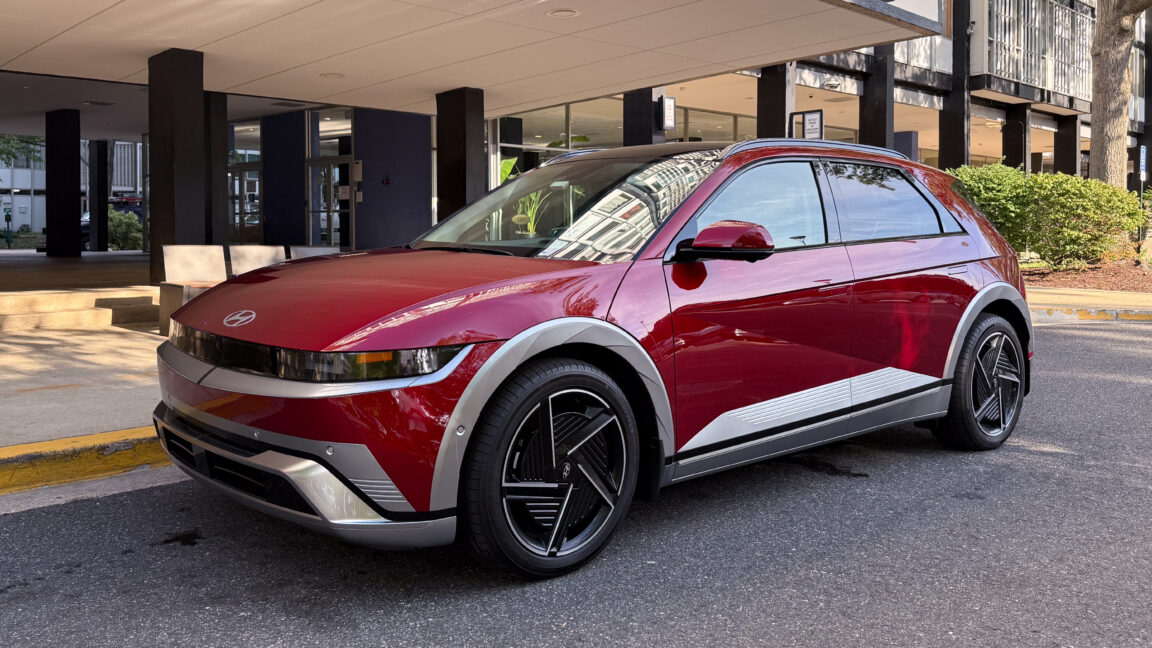
Five years is a long time in the automotive world. The small electric crossover segment is now far more competitive, so we spent more time with the refreshed 2026 Hyundai Ioniq 5 to see how it compares. Its retro design remains largely unchanged, drawing inspiration from the boxy hatchbacks styled by Giorgetto Giugiaro in the 1970s and 1980s.
2026 Hyundai Ioniq 5 pricing and trims
The Ioniq 5 Series starts at $35,000 for the standard model. Our test vehicle was a 2026 Hyundai Ioniq 5 AWD Limited equipped with an 84 kWh battery pack.
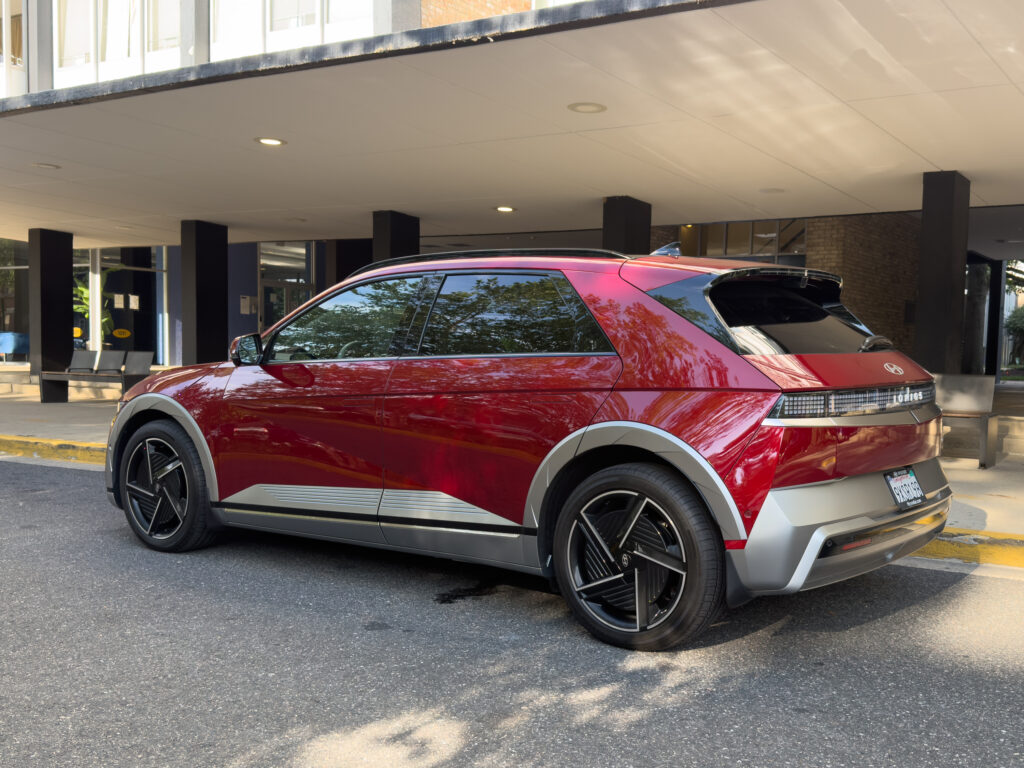
The vehicle benefits from a lifecycle refresh introduced in early 2025. One of the most important updates was replacing the previous CCS1 charging port with a NACS, or J3400, port. Hyundai also added a rear wiper—an overdue improvement for a vehicle that lacked one at launch.
Pricing for the top-of-the-line Limited trim starts at $45,075. Adding the front electric motor costs another $3,900, bringing the AWD version’s combined output to 320 hp (239 kW) and 446 lb-ft (605 Nm) of torque.
Range and efficiency: AWD comes at a cost
Many buyers will want all-wheel drive for the added traction, but the extra motor reduces efficiency. The AWD Ioniq 5 has an EPA-estimated range of 269 miles (432 km), compared with 318 miles (512 km) for the rear-wheel-drive version.
Single-motor Ioniq 5 models should easily deliver more than 4 miles per kWh (15.5 kWh/100 km). With both axles powered, however, efficiency is closer to 3.4 miles per kWh (18.3 kWh/100 km), even in Eco mode.
The rear-wheel-drive model’s additional 49 miles of range means more time between charging stops, especially on road trips or when relying on public fast chargers. Even with the larger battery pack, however, the 2026 Ioniq 5 retains its ability to charge quickly.
NACS charging makes the Ioniq 5 easier to live with
The native NACS port allows the 2026 Hyundai Ioniq 5 to use Tesla Superchargers without relying on the previous CCS1 setup. It can also charge on other networks, including IONNA and Electrify America.
Is the 2026 Hyundai Ioniq 5 still competitive?
The Ioniq 5 no longer has the electric-car market’s charging advantage all to itself, but its combination of 800-volt technology, fast charging, distinctive retro styling, NACS compatibility, and available all-wheel drive keeps it relevant. The main trade-off is efficiency: choosing AWD delivers more power and traction, but significantly reduces range compared with the rear-wheel-drive version.
Source: arstechnica.com