


Starcatcher Wants to Beam Solar Power Between Satellites With Lasers
Google, SpaceX and a growing number of startups are planning data centers in space. Those facilities will need a reliable source of electricity, and Starcatcher believes the answer could be solar power transmitted by laser.
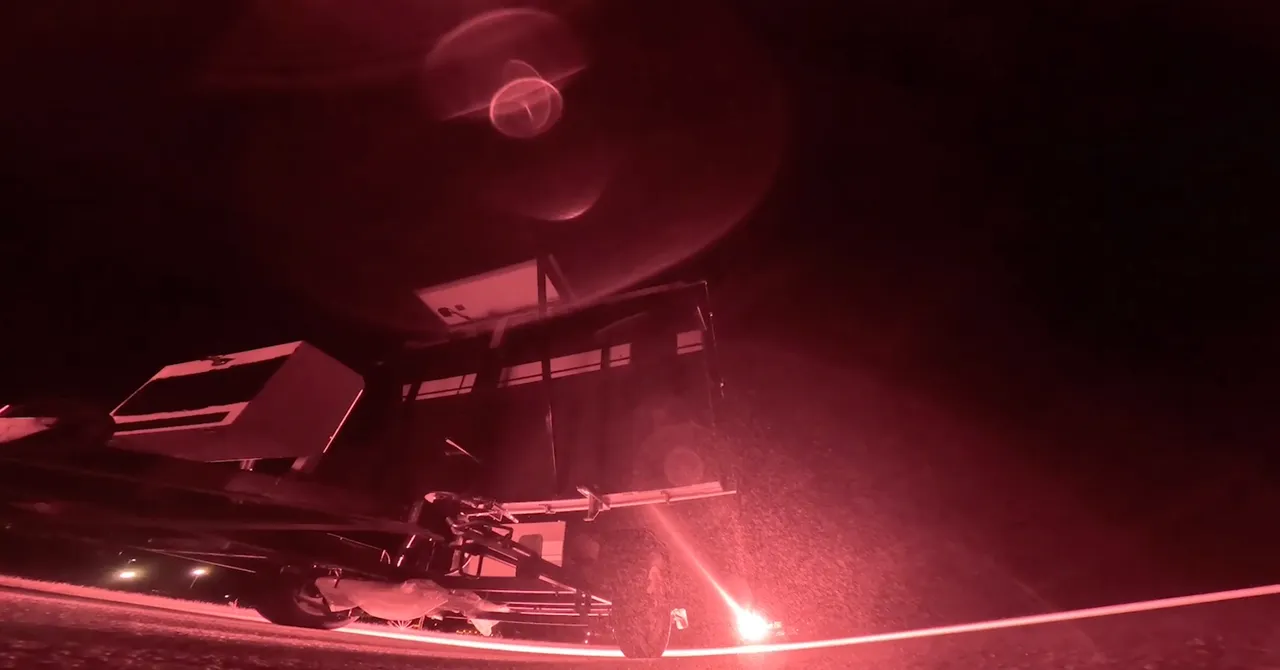
The Jacksonville, Florida-based startup is developing a system that concentrates sunlight and uses lasers to transmit energy to solar panels on satellites. This week, Starcatcher is preparing to launch a SpaceX rocket carrying a prototype designed to transfer power to another satellite in orbit.
How Starcatcher’s space-based power system works
If successful, the demonstration would mark the first time a laser has beamed energy between two unconnected objects in space. The concept of generating solar power in space, however, dates back decades.
The idea appeared in a 1941 science-fiction work by Isaac Asimov and was studied by NASA in the 1970s. “It is very expensive to launch large amounts of hardware into orbit, so it makes little practical sense to generate electricity in space and send it elsewhere,” said Haniyeh Fatahi, a researcher at the Max Planck Institute for Photoscience.
As launch costs decline, an orbiting industry capable of providing energy to satellites is becoming more realistic. “There’s no power grid in space,” said Andrew Rush, Starcatcher’s CEO and co-founder. “We’re all just going on a little camping trip.”
Starcatcher’s proposed solution is a network of power nodes that function as both solar power plants and transmission lines. The company’s satellites would use an array of lenses to collect sunlight and concentrate it into specific wavelengths of light. Starcatcher says the system can deliver up to 10 times more power than diffuse sunlight.
The system would then transmit that energy as a laser beam—essentially an energy cable through space—to satellites that need it. Rush says the technology could increase satellite uptime and improve operators’ profits.
Why satellite operators are interested in orbital power
When launches cost thousands of dollars per kilogram, reducing the size of a satellite’s batteries could create room for more useful equipment. For space-based data centers, that could include additional GPUs and other computing hardware.
There is already significant interest in Starcatcher’s approach. The company announced a $65 million funding round earlier this year and received a $30 million award from the U.S. Space Force. It has also signed 40 letters of intent with prospective buyers and, more significantly, 10 long-term power purchase agreements.
Space data centers could create demand for laser power
The broader space-based industry is showing signs of optimism as well. Google’s first venture into space-based data centers is scheduled to launch on the same SpaceX mission carrying Starcatcher’s system.
Source: www.wired.com