



Are you searching for the secret to immortality? Discover a simple two-step plan: first, amass a fortune in Silicon Valley; second, invest that wealth in unconventional longevity treatments as you await eternal life.
This notion seems popular among some tech billionaires. For instance, Sam Altman, CEO of OpenAI (the creators of ChatGPT), has adopted unique practices. He starts his mornings by gazing at a bright LED light, maintains a 15-hour fasting regimen, and takes metformin, a diabetes medication that’s being explored for anti-aging effects but lacks extensive testing in healthy individuals. (When I queried ChatGPT, “Should I take metformin to extend my life?” it responded, “Simply put, it’s not advisable.”)
Then we have Peter Thiel, co-founder of PayPal. He has mentioned engaging in controversial parabiosis research, which involves using young blood to rejuvenate older organisms. When confronted about this, Thiel humorously stated, “I’m not a vampire.”
Next up is Brian Johnson, who claims to be a billionaire worth around $200 million (approximately £150 million). His impressive social media presence covers everything from his sauna protocols to measurements of his (and his son’s) nightly erections. He explains his extensive “Blueprint” protocol—a rigorous regimen combining diet, exercise, supplements, and even gene therapy, claiming to have reversed his biological age and become “the healthiest person on the planet.”
It’s not just Silicon Valley elites; LeBron James, the basketball billionaire, reportedly invests $1.5 million (£1.1 million) annually in his health regime, which includes pressurized oxygen tank sessions at home and cryotherapy at an astonishing -160°C (-250°F).
The Kardashian family underwent full-body MRI scans, promoted as early cancer detection methods. However, such procedures are not universally recommended by medical professionals.
Dmitry Itskov, a Russian billionaire, is behind the 2045 Initiative, which aims to digitally upload the human brain.
Meanwhile, 97-year-old billionaire Li Ka-shing supports anti-aging research with a focus on nicotinamide riboside, a supplement in which he invested $25 million (£18.5 million).
What connects these various longevity endeavors? Despite their wealth, it is unlikely that any of these treatments will significantly extend life expectancy beyond that of the average person.
Fortunately, the proven methods that help all individuals live longer include simple lifestyle changes: quitting smoking, improving nutrition, increasing physical activity, reducing stress, and accessing quality health care. Thankfully, these don’t require millions of dollars.
Moreover, groundbreaking life-extending innovations will likely arise from adequately funded scientific research, not from the personal experiments of billionaires.
Follow the Money
Let’s examine the facts: wealthy individuals do indeed live longer—in the U.S., the top 1% survive 10-15 years longer than the bottom 1%. Yet this isn’t due to cryo chambers, metformin, or parabiosis, but rather due to accessible and mundane factors mentioned earlier.
In truth, even with infinite resources, there isn’t a method available today that will allow someone to dramatically extend their lifespan using current medical advancements.
Researchers are exploring a variety of intriguing anti-aging treatments on lower organisms; however, clinical trials to verify their effectiveness on humans are still pending.
While Sam Altman’s use of metformin may or may not extend his lifespan, no definitive evidence confirms its efficacy in humans.
The potential risks associated with some biohacking methods are concerning. In 2019, the U.S. Food and Drug Administration (FDA) issued a warning about blood transfusions that can lead to severe allergic reactions and infections.

Additionally, extreme dietary restrictions may backfire, potentially leading to weakened bones and compromised immune functions later in life.
The notorious “supplement stack” consists of random combinations of pills and powders aimed at prolonging life. However, supplements have not proven effective in extending lifespan and are frequently associated with issues like contaminated ingredients, liver damage, and adverse side effects.
Combining multiple interventions can lead to an entirely different issue as ingredients that may individually be effective could exacerbate symptoms when taken together.
An example of this is the combination of Viagra and certain heart medications, which can result in dangerously low blood pressure that could prove fatal.
Human biology is complex, making it easier to cause harm than to heal. Just as replacing a single part in a car engine often degrades performance, understanding what truly works necessitates significant funding and rigorous human trials.
The Price of Immortality
If you’re worried that billionaires are secretly purchasing access to everlasting life, while the rest of us focus on gym memberships, sleep, and healthy eating, there’s some comfort to be found. Most of the ultra-wealthy aren’t behaving as if a groundbreaking anti-aging treatment is imminent.
It’s surprising to delve into their actions, particularly in light of funding by the United Nations dedicated to longevity research.
Yes, there are a handful of billionaires engaging in odd longevity practices, but relative to the thousands of millionaires out there, these cases are scarce. And even more notable, Elon Musk has publicly stated that he believes living longer is detrimental. In 2024, at the Cannes event, he explained, “I have no investment in longevity,” adding, “If we live too long, I think society will become rigid.”

If billionaires (other than Elon) are indeed concealing investments in high-end longevity treatments, they have conspicuously avoided concentrating their resources where it matters most: serious investments in longevity research.
Smuggling investments is increasingly difficult, especially given the often-publicized funding rounds of biotech startups and their need to employ leading scientists, who are likely to leave academic roles.
For those considering whether to invest, the Altos Research Institute has garnered attention for its ambitious goals. With an initial investment of $3 billion (£2.2 billion), speculated to be partially funded by Jeff Bezos, this organization aims to rejuvenate cells and tackle the fundamental causes of aging.
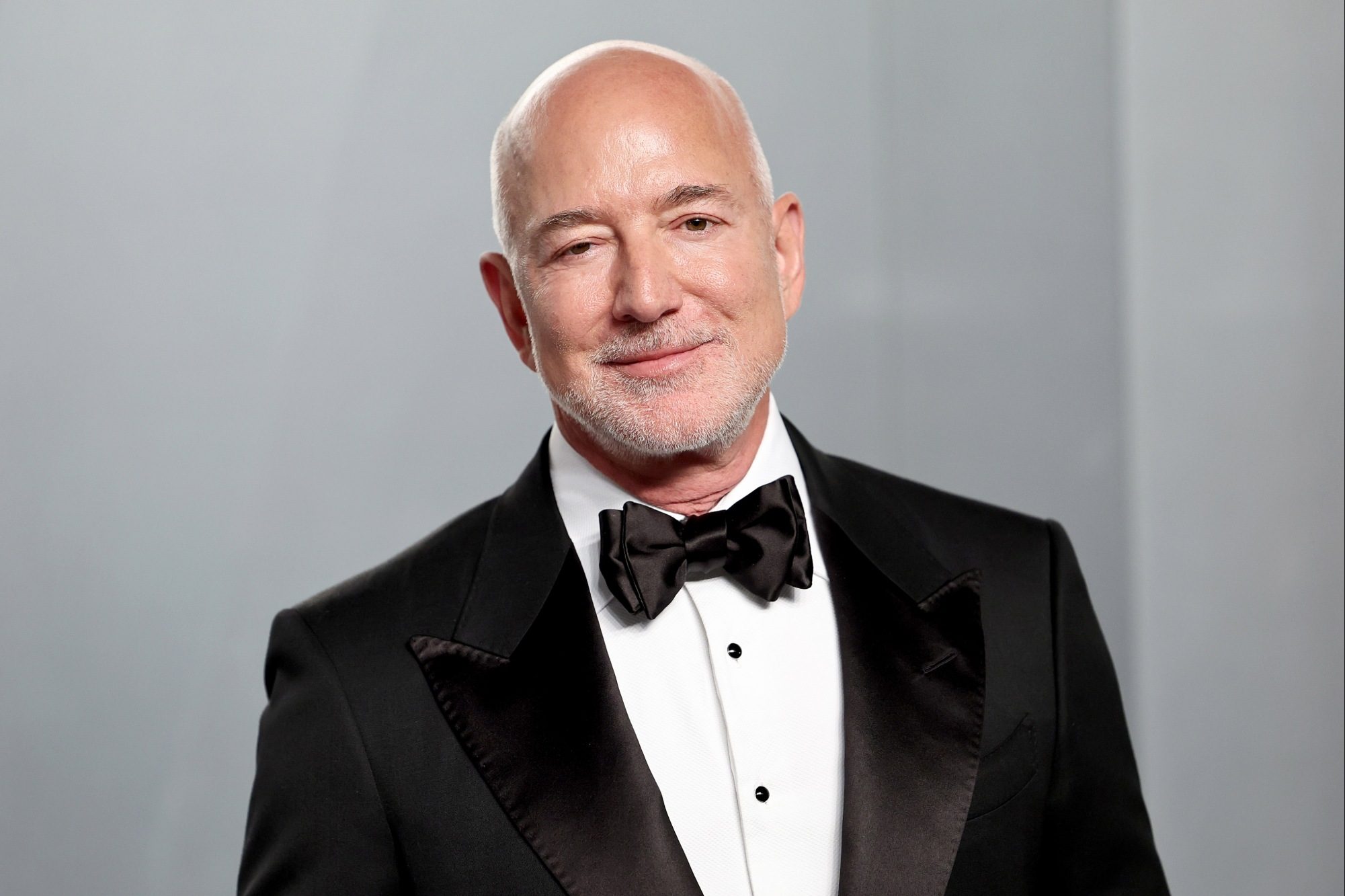
While this sounds like a significant investment, it’s relatively small—Bezos’ net worth is approximately $270 billion (£200 billion) in 2026, meaning that this investment constitutes only about 1% of his wealth. This amount is quite similar to his annual expenditures for his space company, Blue Origin.
With an anticipated lifespan of 20 to 30 years left, if Bezos genuinely believes in longevity science, one would expect him to invest significantly more into it.
Real Aging Cure
The irony is that billionaires eager to extend their lives would likely achieve better results by directing their resources towards large-scale scientific trials rather than indulging in unproven treatments.
Current research on aging is shockingly underfunded, receiving about 20 times less government investment than cancer research, despite most cancers being age-related.
And while companies like Altos Labs garner significant headline attention, they represent only a small fraction of overall biotech investments.
This is particularly striking since studies show that many billionaires would be willing to part with almost half of their wealth for an additional decade of good health, according to a recent survey. The world’s billionaires are estimated to possess a combined wealth of $20 trillion (£14.8 trillion).

Half of that wealth totals $10 trillion, a sum that likely exceeds the total investment in health research throughout human history. Therefore, it wouldn’t take much for a fraction of billionaires to invest in longevity science, giving themselves and countless others a chance at prolonged health.
Ultimately, anti-aging treatments won’t be limited to the wealthy; once developed, they can be accessible to everyone.
Returning to Sam Altman’s use of metformin, it’s not an exclusive or expensive medication; it’s a generic pill costing merely a few cents. The reason this treatment isn’t universally available is not due to cost but rather the lack of $45-70 million (£33-52 million) needed for comprehensive clinical trials to establish its efficacy as a longevity drug.
Additionally, the low cost of such medications poses a challenge; even if they effectively extend lifespans, there’s little financial incentive for companies to mass-produce low-cost drugs.
If governments or philanthropically inclined billionaires were to mobilize resources, a one-time investment in the tens of millions could significantly improve the healthy life spans of billions worldwide, including the billionaire donors funding the research.
For example, a $1 billion (£740 million) fund could support 10 to 20 clinical trials for metformin and explore promising candidates like rapamycin and diabetes medications such as acarbose. It appears likely that some of these interventions could enhance longevity and health.
The U.S. intervention testing program, which has led to the discovery of many such treatments in animals, operates on an annual budget less than what Brian Johnson spends yearly on his health.
So if you’re a billionaire—or even a centi-billionaire—consider stepping away from extravagant treatments and investing in the science that holds the potential to genuinely help millions, including yourself, live longer and healthier lives.
This version uses relevant keywords and optimized structure while retaining the original HTML tags.
Source: www.sciencefocus.com