


Asbestos Found at Plymouth’s Mt Batten Beach as Six-Year Coastal Mystery Deepens
For more than six years, asbestos has been washing up with the tides, placing one of Plymouth’s few swimming spots at the center of a growing environmental mystery.
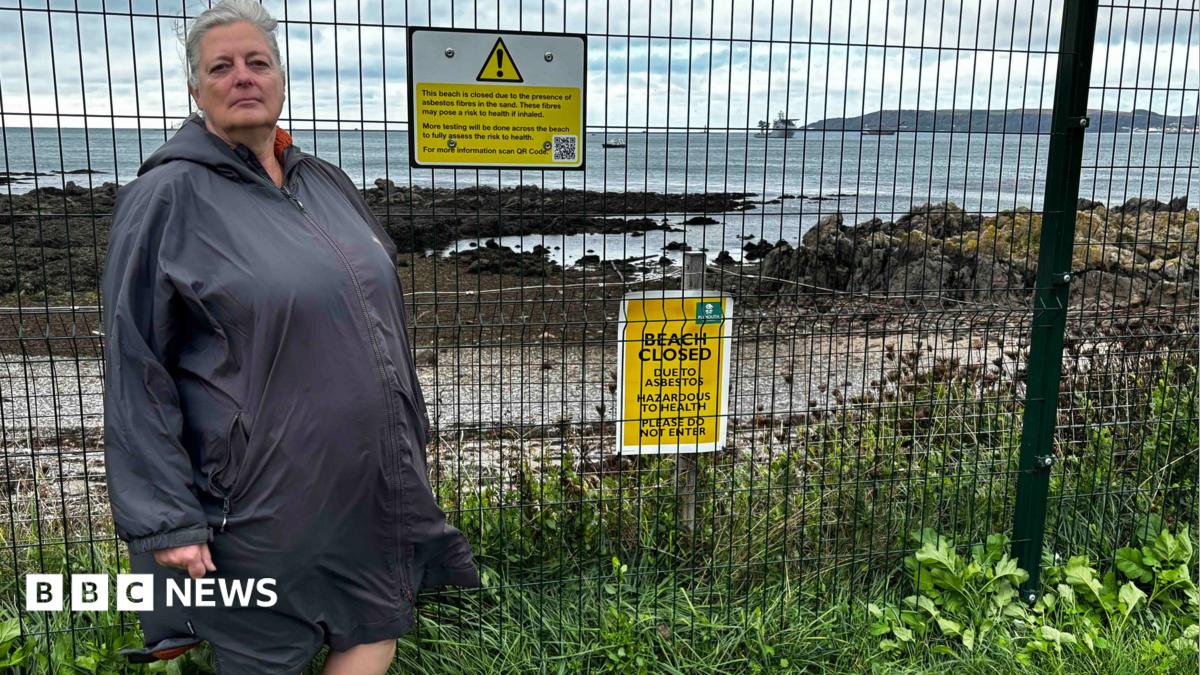
Mt Batten Beach has been fenced off since the summer, while access to two other areas of the peninsula remains restricted.
Asbestos fibers found in beach sand
Plymouth City Council said the restrictions followed tests in April and July that found levels of asbestos fibers in sand samples that could pose a health risk if inhaled.
Breathing in asbestos fibers can increase the risk of serious illnesses, including lung cancer, decades after exposure.
The first discovery was made in 2019, when 500 kilograms (1,100 pounds) of toxic materials were removed from the shoreline in Plymouth Bay, one of southwest England’s most popular vacation destinations.
In total, 1.5 tons or more of materials containing asbestos have been removed from beaches and nearby locations, external. The material included both white asbestos and the more dangerous blue variety.
Possible link to former RAF Mount Batten base
Residents and experts believe the asbestos-containing material may have come from roofing and construction waste associated with the former RAF Mount Batten base. Coastal erosion is thought to have exposed the buried material.
The closures have left beachgoers, business owners and residents wondering when, or whether, the beaches will reopen—and what they will look like against this backdrop. Plymouth Bay was designated as Britain’s first National Marine Park, external.
Swimmers say beach closure has damaged community
Councillor Grace Stickland, who has been swimming at Mt Batten for several years, said dozens of people regularly visited the beach throughout the year. As many as 80 people attended the festival day swim.
“It was a really popular little beach and everyone loved it,” Stickland said.
“All the swimmers feel like they’ve been kicked out of their homes.”
Stickland said older swimmers and people with disabilities particularly valued Mt Batten because of its accessibility. The closure, they added, was “destroying” the community that had grown up around the beach.
Source: www.bbc.co.uk