


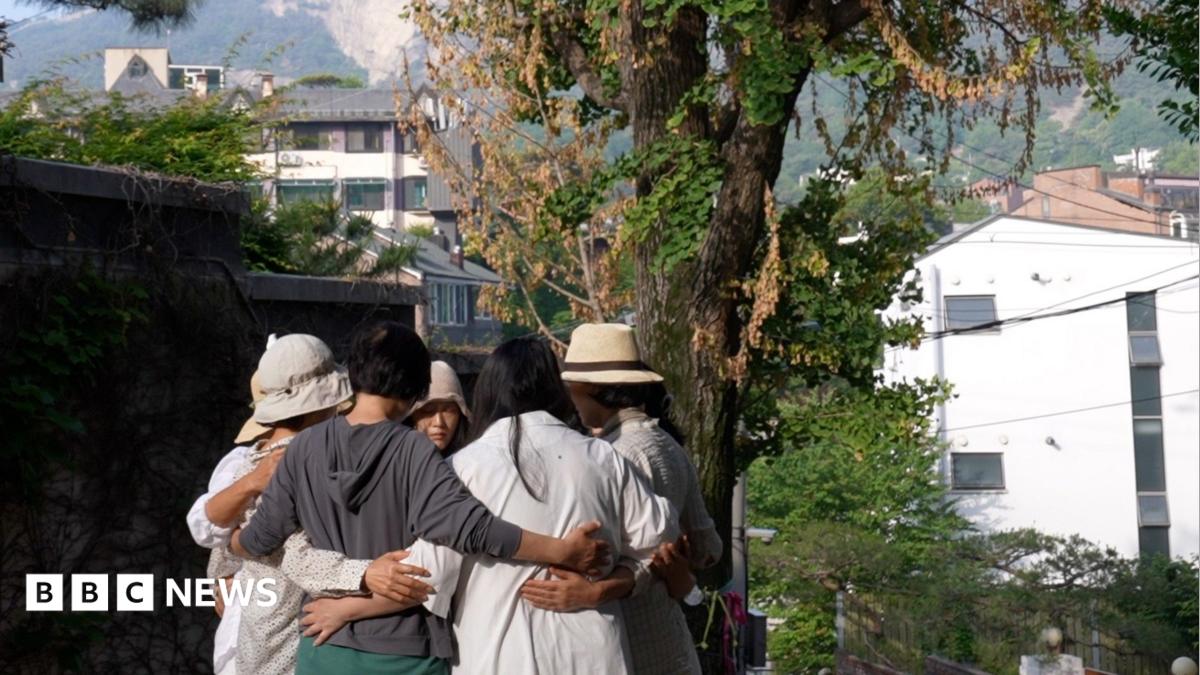
Seoul Residents Investigate Why a Beloved 100-Year-Old Ginkgo Tree Is Dying
Every summer, Seoul becomes deep green and lush beneath its humid skies. But this year, one beloved ginkgo tree in the northern neighborhood of Buam-dong appeared to be in serious trouble.
Green leaves began covering the ground beneath the tree—an unusual sight for that time of year.
“There were green leaves on the ground, which is unusual at this time of year,” recalled Jung, a local resident who lives near the ginkgo trees lining the street.
The tree is cherished by residents and is believed to be more than 100 years old. Jung could not ignore the signs of decline. As the days passed, curiosity turned into concern.
A mysterious illness alarms the neighborhood
A rotting carpet of familiar, fan-shaped ginkgo leaves soon surrounded the tree. The alarming sight prompted Jung and other neighbors to form a team of amateur detectives.
Together, they set out to determine what was causing the disease in the hardy ginkgo tree—and whether someone or something was responsible.
The mystery captivated the neighborhood, sparked interest across South Korea and made national headlines. Jung, who spearheaded the campaign, later requested anonymity because of the attention. Pseudonyms are therefore used here.
“Imagine your grandfather holding you quietly every day, listening to your stories, and always being strong and vibrant,” Jung said. “Suddenly he starts dying.”
“How heartbreaking is that?”
A community fights to protect a cherished symbol
What began with fallen green leaves became a community campaign to protect a beloved neighborhood landmark. The unexpected enemy appears to have been involved in a carefully planned attack—and is a museum built to honor a pioneering, nature-loving Korean artist.
Source: www.bbc.co.uk