


How Alaska Wildfires Can Trigger Decades of Permafrost Carbon Emissions
This means carbon uptake in subsequent stands “more than compensates” for the amount released in the initial fire, Walker said.
Getty Images
The long-term carbon cost of Arctic tundra wildfires
However, the 2007 Anaktubuk River Tundra Fire, which remains the largest fire on record on Alaska’s North Slope, provides an entirely different case study. In their first analysis, Mack, Schuur, and their coauthors found that the fire released more than 2 million tons of carbon into the atmosphere, essentially canceling out the amount that tundra ecosystems around the world removed from the atmosphere that year.
Subsequent studies found that more than a third of the scorched landscape had sunk, slipped, and crumpled as the wedge of ice below collapsed—clear signs of sudden permafrost thaw. Nearly 20 years later, much of that melted and decaying organic matter continues to emit carbon dioxide and methane in the most heavily burned parts of the fire scar, said Adrian Rocha, an associate professor at the University of Notre Dame.
Even if the area were to recover, it would take decades or centuries to regain all the carbon lost there, said Rocha, who continues to monitor the site using an eddy-covariance flux tower that measures the exchange of greenhouse gases between Earth and the atmosphere.
Mack said such on-the-ground measurements are important for understanding which ecosystems recover and transition to new states, whether they release more or less carbon dioxide, and when and where plant growth can offset those emissions.
Still, the risks associated with thawing permafrost are clear.
“When we step back as ecologists, we see that much more carbon is stored underground in permafrost than in vegetation above ground,” she says. “If permafrost carbon is released, all of these interesting details could be buried.”
Studying wildfire recovery in the laboratory
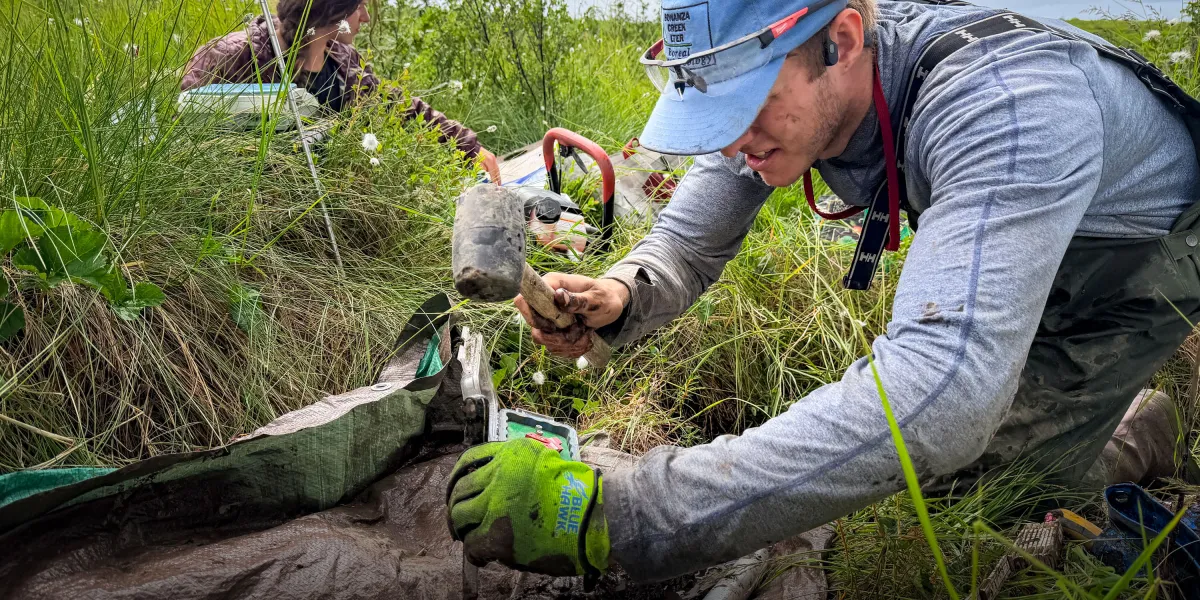
A research team from Northern Arizona University returned pallets of soil samples from Denali. The materials included moss plugs and decaying plant material known as “brownies,” as well as samples of permafrost cores and unfrozen soil layers. In the months since then, researchers have cut, dried, weighed, burned, and analyzed various samples and entered their field and laboratory findings into a database.

James Temple
Walker said the team is considering a variety of research questions, including how much of the top organic layer has recovered since the first study after the fire, and how much carbon has been lost and regained since the fire.
Source: www.technologyreview.com