


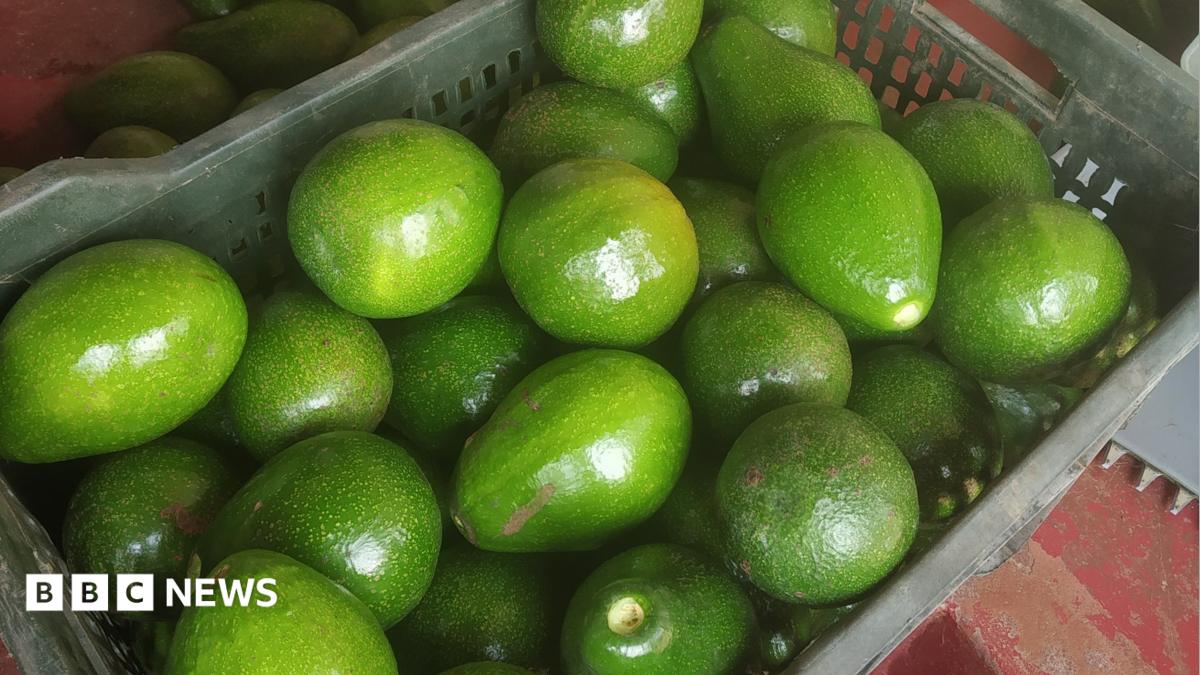
India’s avocado farming industry has grown significantly over the past 15 years, according to Sunil Bopaiah.
Until recently, avocados had limited demand in India. In some regions, the fruit was even known as “dog fruit” because ripe avocados often fell from trees and were eaten by dogs.
Bopaiah has spent 26 years in India’s plantation sector and is now Group Manager at Kottanad Plantation in Wayanad, Kerala. The plantation grows cocoa, rubber, coffee, spices, avocados and other fruits across the region’s hills.
“Avocados were never planted as our main crop. We originally introduced the trees as shade cover for coffee plantations, but later discovered that avocado farming could become a profitable business,” he says.
Demand began to rise sharply around 2011, when Bollywood actress Shilpa Shetty revealed that she used avocados in her skincare routine.
“Avocado prices doubled almost overnight and continued to increase,” Bopaiah says.
To meet growing consumer demand, Kottanad Plantation planted avocado trees across 40 acres. Last year, the farm harvested between 10 and 15 tonnes of fruit. The company aims to raise production to between 40 and 50 tonnes within the next three to four years.
However, expanding avocado production required new farming techniques and specialist knowledge.
“After consulting experts in South Africa, we completely changed our avocado cultivation methods. Because avocado roots are highly vulnerable to disease, we now use raised beds, wider spacing and improved planting techniques,” Bopaiah says.
Indian farmers have significant potential to expand avocado cultivation and meet the country’s growing demand.
“Our market research found a major gap between avocado demand and supply. India imports around 15,000 tonnes of avocados each year, while domestic production is estimated at only 8,000 to 9,000 tonnes,” says Manilal Pariyat, a key figure in the development of India’s avocado industry.
Pariyat believes avocado farming offers promising opportunities for Indian farmers, particularly as traditional crops face increasing challenges.
“Coffee and pepper production are being affected by changing climate conditions, making crop diversification increasingly important for farmers.”
Source: www.bbc.co.uk