


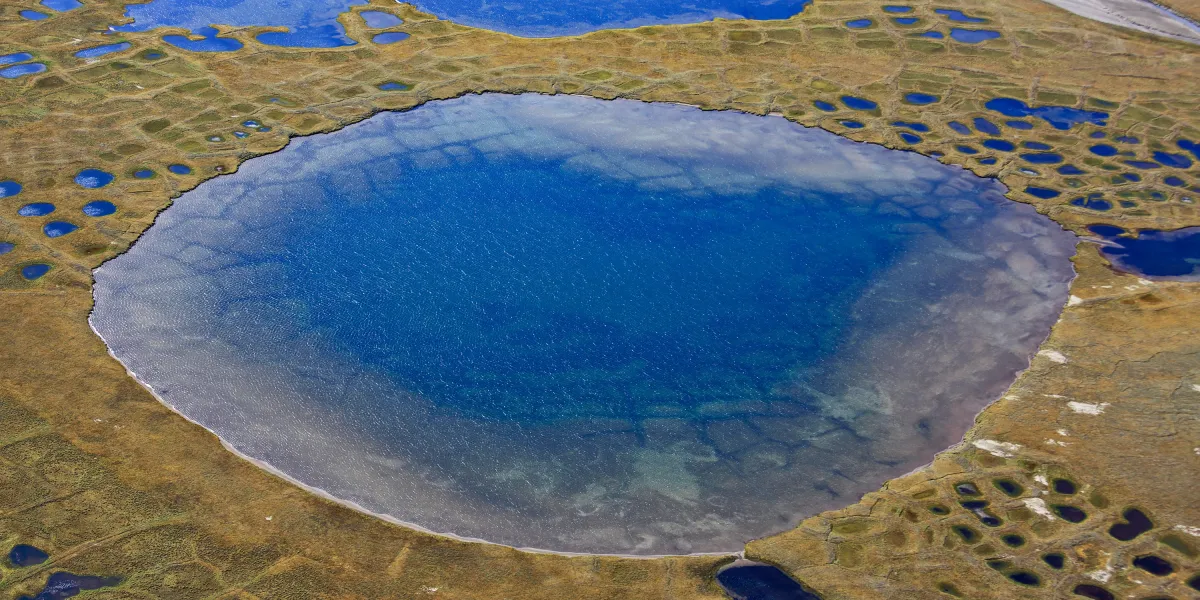
Thawing permafrost, intensifying wildfires and warming wetlands could add substantially to global warming, according to research in Environmental Research Letters. These feedback effects are not fully included in the models used for major United Nations climate assessments, creating a significant blind spot in estimates of future warming and the emissions cuts needed to stay within critical limits.
In September, researchers combined findings from previous studies and concluded that thawing permafrost releases additional carbon dioxide and methane, which can intensify wildfires. Hotter lakes and reservoirs, along with wetter and warmer wetlands, could raise global average temperatures by an additional 0.2°C to 0.4°C this century.
This extra warming would come on top of the 2.6°C warming above pre-industrial levels that modelers are already projecting by 2100. Further temperature increases could expose cities around the world to large-scale disasters, including months of heat waves and flooding affecting billions of people.
Climate models omit major feedback effects
None of the models used in the major UN climate report, which assesses how much the Earth could warm under different emissions scenarios, accounts for all of these feedback effects. Many do not include them at all.
This leaves a major blind spot in understanding how much the world is likely to warm in the coming decades and how quickly countries must reduce emissions to remain within critical temperature boundaries.
A separate analysis published in One Earth in March examined what these feedbacks could mean for international climate goals. It concluded that the world may be further off track than widely believed.
The researchers found that three regional sources of warming emissions—thawing permafrost, increased fires in boreal forests and warming tropical wetlands—could shorten the time needed for the planet to exceed sustained warming thresholds of 1.5°C and 2°C by as much as 25%.
Researchers seek better emissions estimates
“It is clear that our climate models and UN reports need to be updated to better represent these impacts,” said Sam Abernethy, lead author of the paper and a climate scientist at Spark Climate Solutions, a nonprofit research group based in San Francisco.
Abernethy said countries also need to strengthen efforts to reduce emissions in light of an improved understanding of the risks.
At least some work to address the problem is already underway. Spark has launched the Intercomparison Project for Greenhouse Gas Emissions Models Associated with Global Warming. More than 20 international teams are conducting the same set of analyses on different models to improve understanding of the potential strength of these feedback effects.
The researchers hope the United Nations will incorporate the results into its next major climate assessment, expected to be published in 2029. That report will update estimates of the remaining emissions the world can release before exceeding key temperature benchmarks.
What is already clear, however, is that the planet is warming rapidly and countries are not doing nearly enough to reduce fossil-fuel pollution. Even if direct emissions can be halted, warming emissions from climate feedbacks are likely to continue.
Source: www.technologyreview.com