


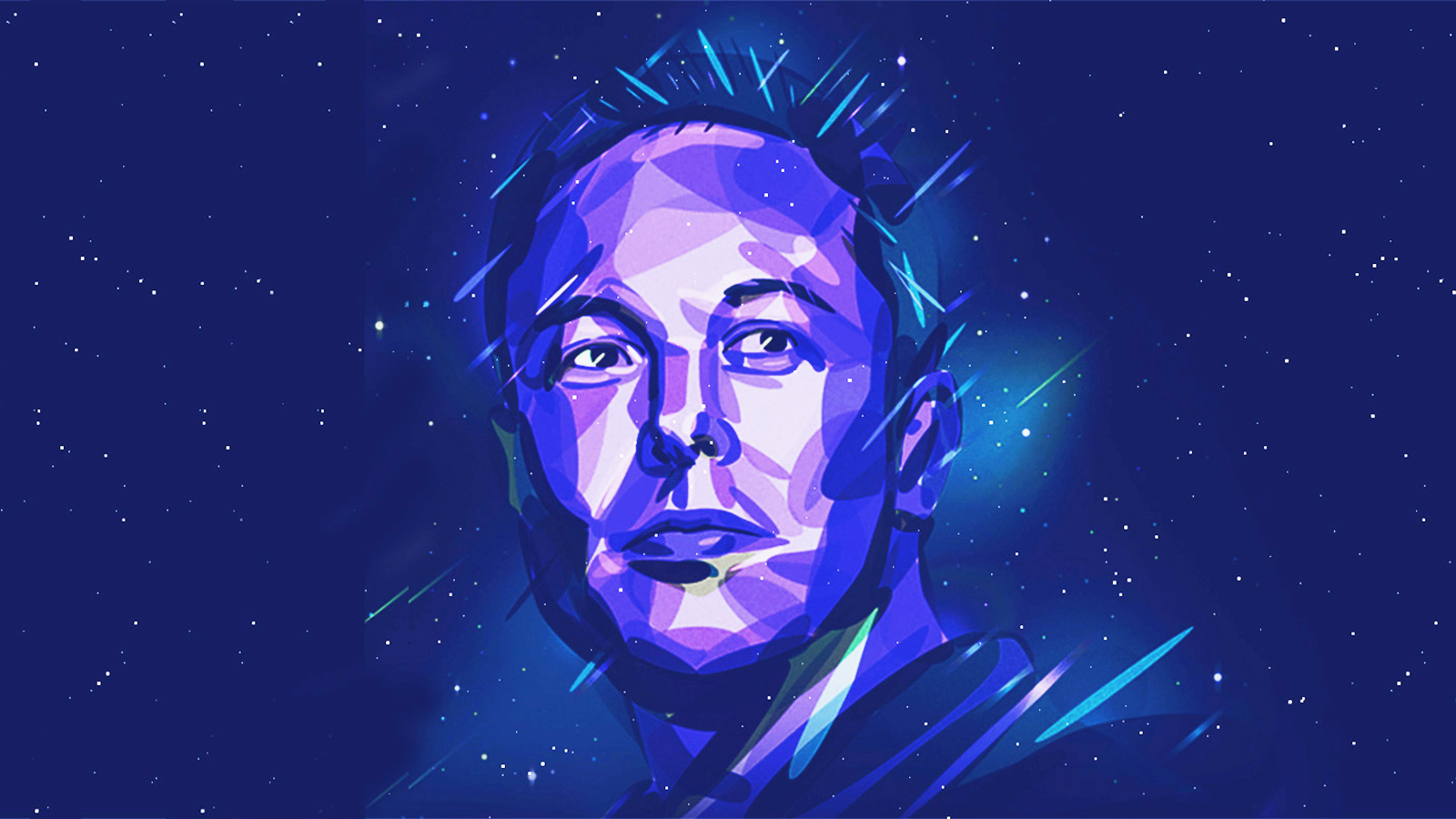
Coinbase says it blocked approximately 91% of attempted cryptocurrency transfers worth $4.7 million after scammers used an AI-generated deepfake of Elon Musk to promote a fake giveaway during a Tesla livestream watched by more than 500,000 people. Hundreds of customers, including longtime Coinbase users, reportedly spent about two hours attempting to send millions of dollars to the scammers before the exchange’s AI-powered fraud prevention system intervened.
The deepfake appeared during Tesla’s “flying car” demonstration. Fraudsters created a fake YouTube livestream that appeared to broadcast the event and included an AI-generated video of Musk, a cryptocurrency wallet address and a QR code.
The stream promised viewers that any cryptocurrency they sent would be doubled.
Unlike conventional cryptocurrency theft, which typically involves compromised accounts or stolen credentials, victims in this campaign voluntarily approved the transfers because they believed the livestream was genuine.
Coinbase said this made the activity difficult to identify because the transactions were created and approved by legitimate account holders.
“Most fraud defenses are built to identify activities that the customer has not authorized.” Coinbase explanation.
“That’s not what happened here. The customer logged in, hit confirm, and the customer believed this was a once-in-a-lifetime opportunity.”
AI agent detects and interrupts the scam
Coinbase said its fraud prevention system uses machine-learning models to analyze incoming cryptocurrency transfers in real time. The models look for gift scams, brand impersonation and suspicious activity involving newly created wallet addresses.
When the system detects a potentially fraudulent transfer, an AI agent has a brief conversation with the customer. It explains the suspected fraud indicators and asks questions designed to help the customer recognize the scam.
The system also assigns a confidence score to the agent’s responses before presenting them to the customer. Coinbase said this helps determine when additional safety measures may be required.
The company said its AI agents had not previously encountered this specific campaign, but they recognized the underlying techniques. These included promises of additional cryptocurrency, time pressure linked to a live event and the use of irreversible transfers.
Coinbase claims the detection and intervention process took place automatically, without human involvement.
“Notably, our agents had never seen this scam before. Deepfake giveaways related to actual product launches were not included in the training,” Coinbase said.
BleepingComputer contacted Coinbase to ask how many transfers the scammers received and how much cryptocurrency was stolen, but the company had not responded at the time of publication.
Elon Musk remains a frequent target for crypto scams
Elon Musk and his companies have long been used as bait in cryptocurrency scams. Fraudsters have taken over verified Twitter accounts, sent fake giveaway invitations by email and promoted fraudulent schemes on TikTok.
Scammers have also used deepfake videos of Musk to advertise fraudulent cryptocurrency investment platforms. In another campaign involving compromised verified Twitter accounts, criminals reportedly stole more than $580,000 in cryptocurrency in a single week.
Users should independently verify cryptocurrency promotions through official websites and verified social media accounts. They should not trust wallet addresses or QR codes shown during livestreams and videos without confirming that the promotion is legitimate.

Adaptive Security’s AI agent analyzes email intent, context and behavior to uncover phishing, business email compromise and invoice fraud.
See what’s happening with a 14-day read-only scan of Microsoft 365 or Google Workspace without making any changes to MX.
Source: www.bleepingcomputer.com