


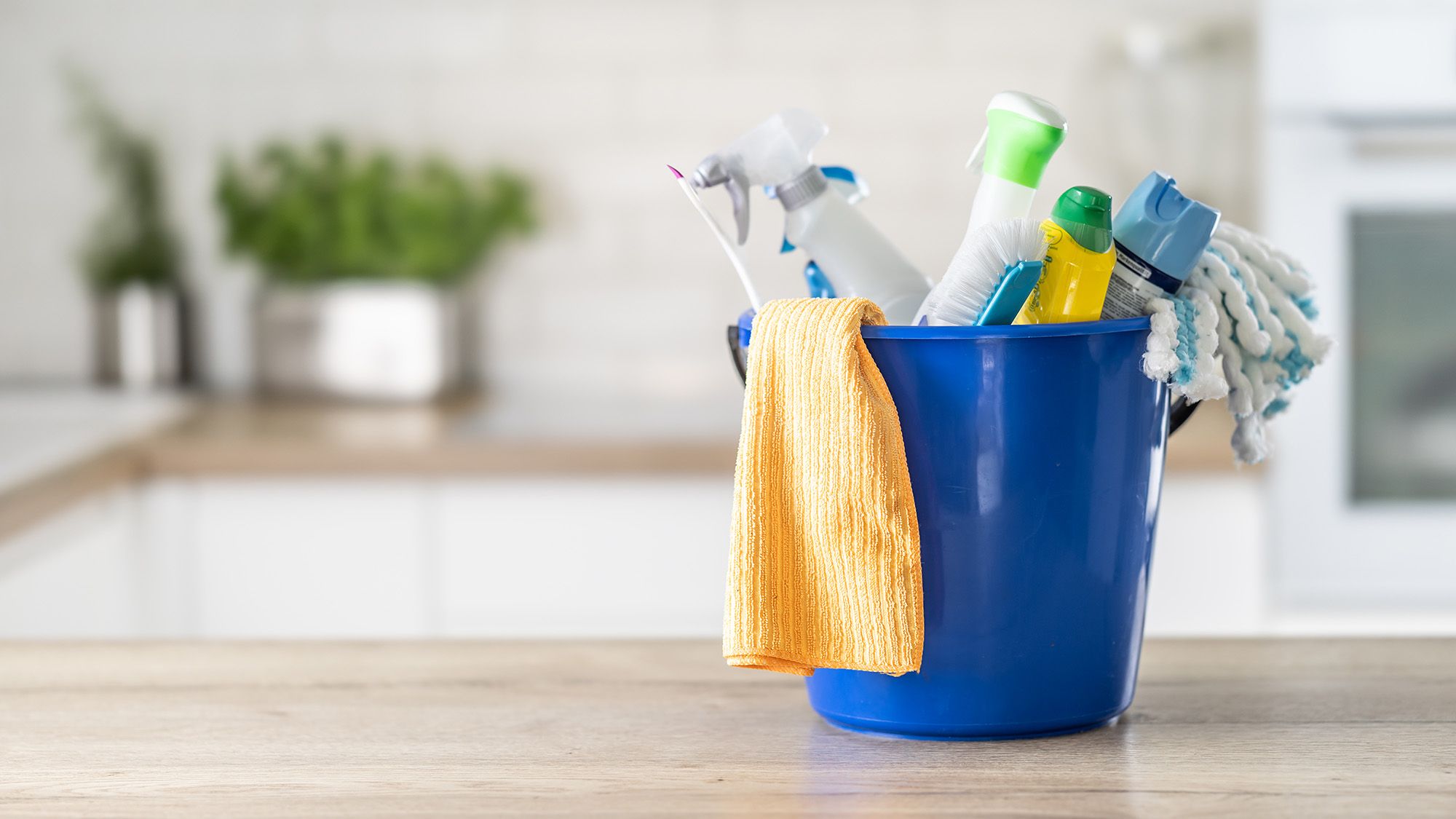
Mixing household cleaning products cannot produce mustard gas, experts told Live Science, but some combinations can create toxic gases that irritate the eyes, nose, lungs and other mucous membranes. The most important warning is never to mix bleach with ammonia-containing products or acids, because these reactions can generate harmful chloramines or chlorine gas.
Why mixing cleaners can be dangerous
Cleaning your home is often a simple, if tedious, task. Stubborn stains may tempt people to use more than one detergent, but combining cleaning products can trigger dangerous chemical reactions.
A common misconception is that mixing detergents can produce mustard gas, the notoriously toxic synthetic chemical weapon used during World War I. Experts said it is impossible to make mustard gas from ordinary household cleaners. However, mixing certain products can still create gases that are hazardous to health.
When bleach is mixed with products containing ammonia, including some glass and stovetop cleaners, the reaction produces chloramines. When inhaled, these compounds react with water in the body to produce hydrochloric acid, causing a burning sensation in the eyes, nose and mucous membranes, according to Dr. Mike Chaley, an emergency physician at Weill Cornell University and co-director of webPOISONCONTROL, a digital platform that guides people through toxic emergencies.
Ammonia consists of three hydrogen atoms bonded to a central nitrogen atom. When it reacts with bleach, chlorine atoms from the bleach can replace one or more of the hydrogen atoms, forming chloramines that can be harmful or lethal at sufficiently high concentrations, said Delphine Farmer, an atmospheric chemist at Colorado State University.
“Chloramines are certainly present in many environments,” Farmer told Live Science. “If you just clean it with bleach, you often see it indoors, but if you don’t, it comes out of the pool. But when you actually mix it with detergent, you can create enough chloramines to kill people.”
Bleach and ammonia are not the only dangerous combination. Mixing bleach with an acid creates chlorine gas, which can irritate the eyes. Chaley said the gas smells like a swimming pool.
Why mustard gas does not form
Mixing these products cannot produce mustard gas. Mustard gas contains sulfur, and although some cleaners contain sulfur, the compound typically does not form at room temperature and pressure, Sharry told Live Science.
The danger of a chemical exposure depends on several factors. Harmful byproducts become more diluted in a large, well-ventilated room than in a small room without airflow. Pre-existing conditions, including asthma or lung disease, can also worsen the effects of exposure, Sharry said.
Household cleaners generally contain lower concentrations of these chemicals, so accidental reactions produce fewer byproducts than reactions involving more concentrated products.
“Household bleach is below a certain concentration,” Schary told Live Science. “It’s primarily designed so that when it gets deposited, it doesn’t cause as much damage as industrial bleach. This also means there’s less bleach per unit that undergoes chemical reactions.”
What to do after an accidental mixture
The warning signs of a reaction may appear within a few minutes. They can include coughing, watery eyes and a strong odor.
“Most of these things will cause disgust,” Charley said. “If you feel like something is wrong, pay attention to that hunch.”
Sharry and Farmer recommend opening a window and moving outside into fresh air if cleaning products are accidentally mixed and symptoms appear. Sharry said chloramine exposure is usually treated like an asthma attack when medical treatment is needed. Doctors may administer drugs such as albuterol to open the airways and monitor oxygen saturation for signs of lung damage.
To reduce the risk of accidental reactions, Farmer recommended storing oxidizing detergents such as bleach and hydrogen peroxide separately from other detergents. If different products are needed to tackle a stubborn stain, she said to wait until the smell of the first detergent has completely disappeared before applying the second.
Strong products may not always be necessary. “I’m all for reducing exposure to strong oxidants,” Farmer said. “If you can use simpler compounds, the better. Simple soap and water is great.”
This article is for informational purposes only and does not provide medical advice.
Topic: life’s little mysteries
Source: www.livescience.com