


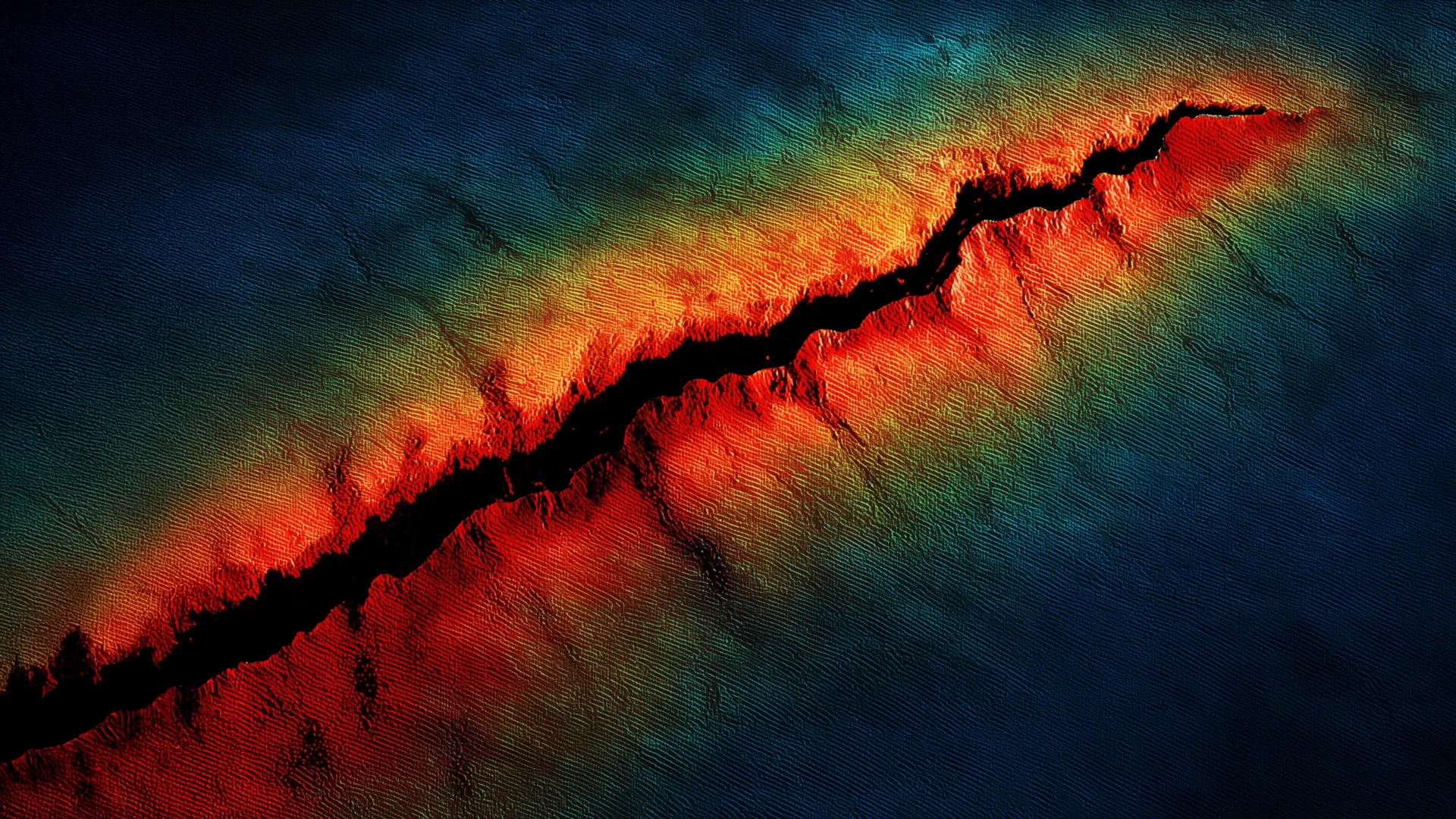
A new seismic study of the Juan de Fuca tectonic plate beneath northern Oregon suggests that the subducting slab lies closer to the surface than previously estimated. The finding could affect projections of ground shaking during future Cascadia megathrust earthquakes.
The Juan de Fuca plate is being forced beneath the North American plate, creating the Cascadia Subduction Zone along the Pacific Northwest coast. This active fault system has produced devastating magnitude 9 earthquakes in the past and remains a major earthquake hazard for Oregon, Washington and northern California.
Juan de Fuca slab is shallower beneath northern Oregon
Researchers estimate that the interface between the Juan de Fuca slab and the North American plate is approximately 20 kilometers deep—about 5 kilometers shallower than earlier estimates. U.S. Geological Survey seismologist Erin Wirth presented the findings at the 2026 Seismological Society of America Annual Meeting.
“This could increase estimates of maximum ground acceleration, or shaking intensity, from a Cascadia earthquake along the northern Oregon coast by approximately 9 to 17 percent,” Wirth said.
The research also identified a deep sedimentary basin beneath Tillamook, Oregon. The seismic measurements provide the first direct constraints on the basin’s shape and depth.
“Sedimentary basins can amplify earthquake ground shaking and are well documented in other parts of the Pacific Northwest, including the Seattle Basin,” Wirth explained. “Identifying sedimentary layers and measuring their thickness can help scientists produce more accurate estimates of shaking during future earthquakes.”
New data fills gaps in Cascadia earthquake research
The study addresses important gaps in scientists’ understanding of the Cascadia Subduction Zone. Northern Oregon experiences less seismic activity than western Washington and northern California, leaving researchers with fewer earthquakes to analyze when mapping the buried slab and tracking how seismic waves travel through the region.
To improve the seismic image beneath the northern Oregon coast, Wirth and colleagues installed 192 temporary nodal seismometers during the summers of 2021 and 2022. The instruments covered a corridor extending from Tillamook to Portland.
The team combined these measurements with data from a complementary 2021 seismic survey conducted offshore from Vancouver Island to northern California. That research also found evidence that the Juan de Fuca slab extends farther offshore than previously believed.
Combining the datasets will help researchers create a more detailed map of the Cascadia Subduction Zone and improve estimates of earthquake risk across northern Oregon.
Why a shallower earthquake slab matters
Earthquakes occurring closer to the surface can produce stronger shaking because seismic energy travels a shorter distance before reaching the ground. Energy from deeper earthquakes generally spreads out and weakens more before reaching the surface.
This helps explain why the relatively shallow Juan de Fuca slab beneath northern Oregon could increase maximum ground-shaking estimates in nearby population centers.
Sedimentary basins beneath Tillamook could create additional amplification. Soft sediments can behave like a “jelly bowl,” allowing seismic waves to intensify and become trapped along the basin’s edges. This can make earthquake shaking stronger and cause it to last longer.
Amplified seismic waves can pose a particular threat to tall buildings, bridges and other large structures.
Wirth said the research team plans to use the nodal seismometer data to investigate the Tualatin Basin near Portland in greater detail.
Source: www.sciencedaily.com