IBM Unveils Modular Cryogenic System to Scale Fault-Tolerant Quantum Computing
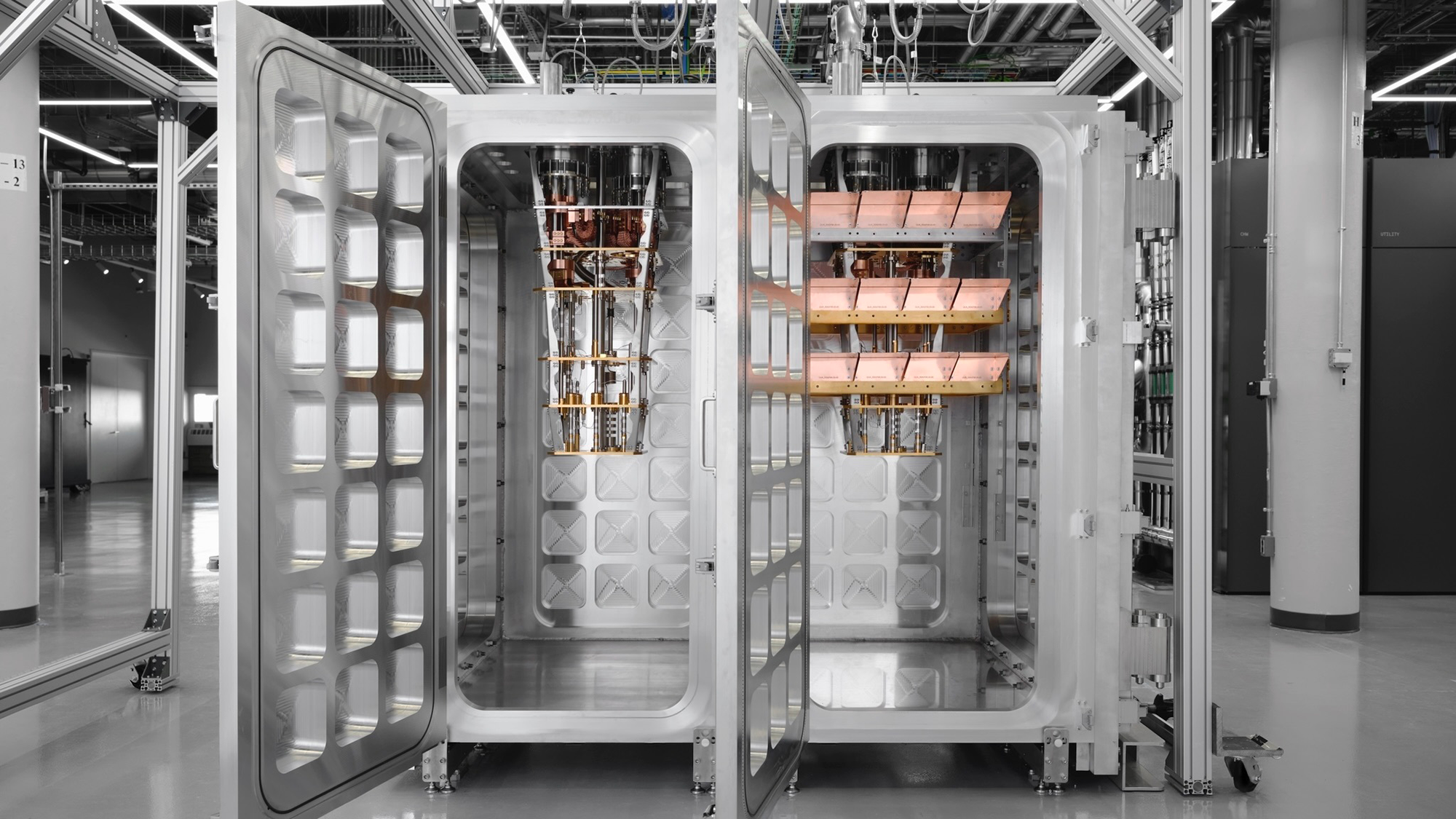
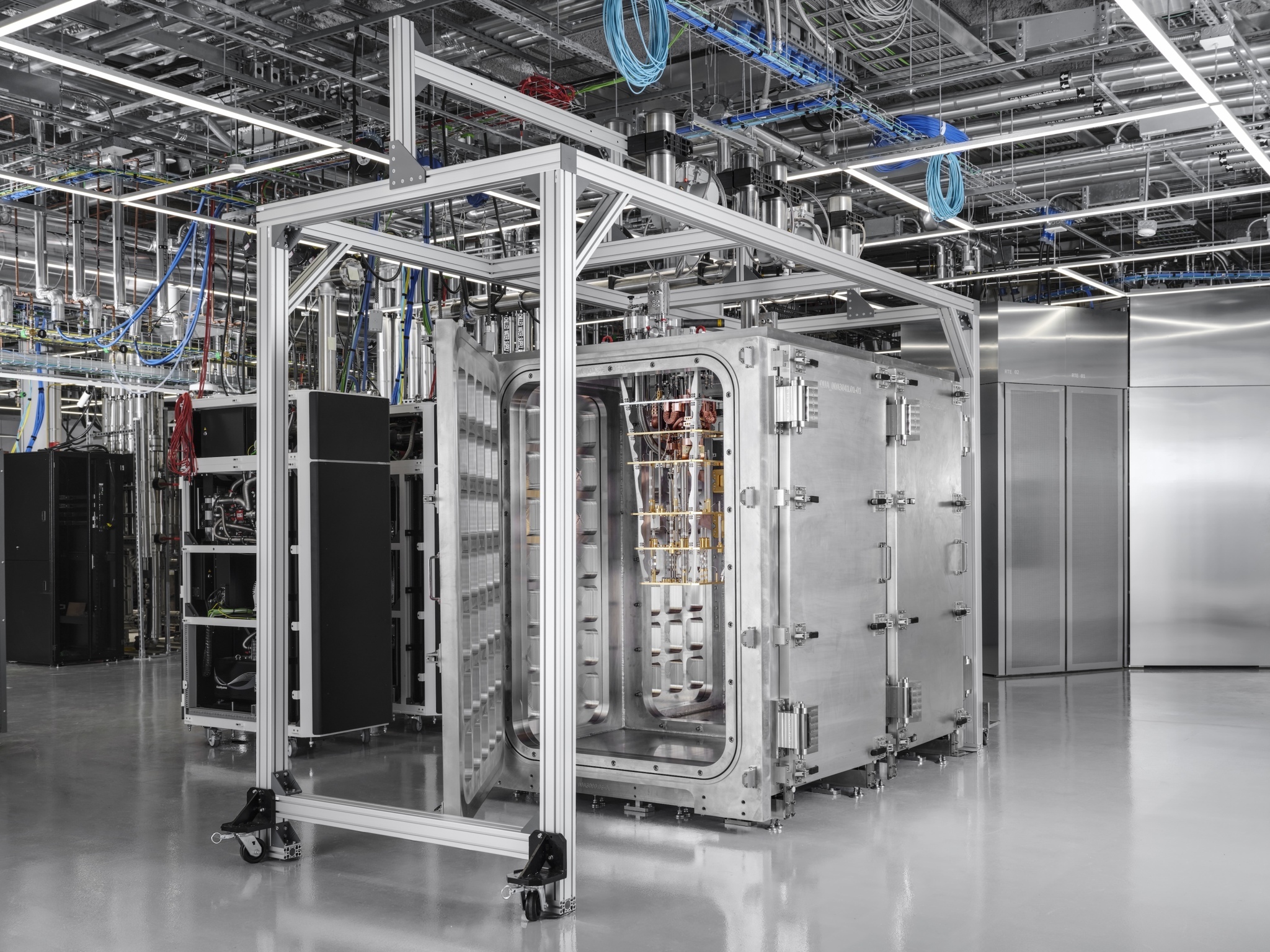
IBM has unveiled a modular cryogenic system designed to connect hundreds of quantum-computing chips. The technology addresses one of the biggest challenges facing the development of large-scale, fault-tolerant quantum computers: the infrastructure required to keep quantum processors stable and extremely cold.
IBM says its new modular “quantum refrigerator” could help the company achieve a fault-tolerant quantum computer by 2029. Fault-tolerant systems use quantum error correction to detect and correct errors caused by noise, allowing quantum calculations to continue reliably.
Fault-tolerant quantum computers could enable researchers to conduct new research across chemistry, materials science and physics. These systems could perform complex quantum operations beyond the capabilities of today’s supercomputers while reducing the risk of errors that can invalidate calculations.
Until now, scaling superconducting quantum computers has been limited not only by qubit performance but also by the size and complexity of the supporting infrastructure. IBM says its new modular cryogenic architecture could make it easier to connect multiple processors and eventually support systems capable of performing up to 100 million quantum operations.
IBM unveils cryogenic module to scale fault-tolerant quantum computing – YouTube
Each new cryogenic module is approximately 8 feet (2.4 meters) high and 8 feet wide, with an internal volume of about 9 cubic feet (0.25 cubic meters).
The system works in a similar way to a household refrigerator, but it can cool quantum hardware to approximately 10 millikelvin — just above absolute zero. That temperature is about minus 459.65 degrees Fahrenheit (minus 273.14 degrees Celsius) and is significantly colder than deep space.
These ultra-low temperatures allow IBM’s superconducting quantum processing units, or QPUs, to operate with minimal electrical resistance and reduced interference. The modular design also enables engineers to expand a quantum computer one module at a time rather than constructing a single, enormous cryogenic system.
Get the world’s most fascinating discoveries delivered straight to your inbox.
IBM officials said the demonstration marks the first time researchers have shown that separate cryogenic modules can be interconnected while cooling their QPUs to operating temperatures.
How modular quantum computing works
Superconducting quantum computers use embedded circuits and quantum logic gates to manipulate qubits. However, each chip can hold only a limited number of qubits, and IBM’s architecture requires the chips to be cooled below 15 millikelvin.
Qubits are highly sensitive to heat, electromagnetic radiation and other forms of environmental noise. Without sufficient protection, these disturbances can cause errors and interrupt quantum calculations.
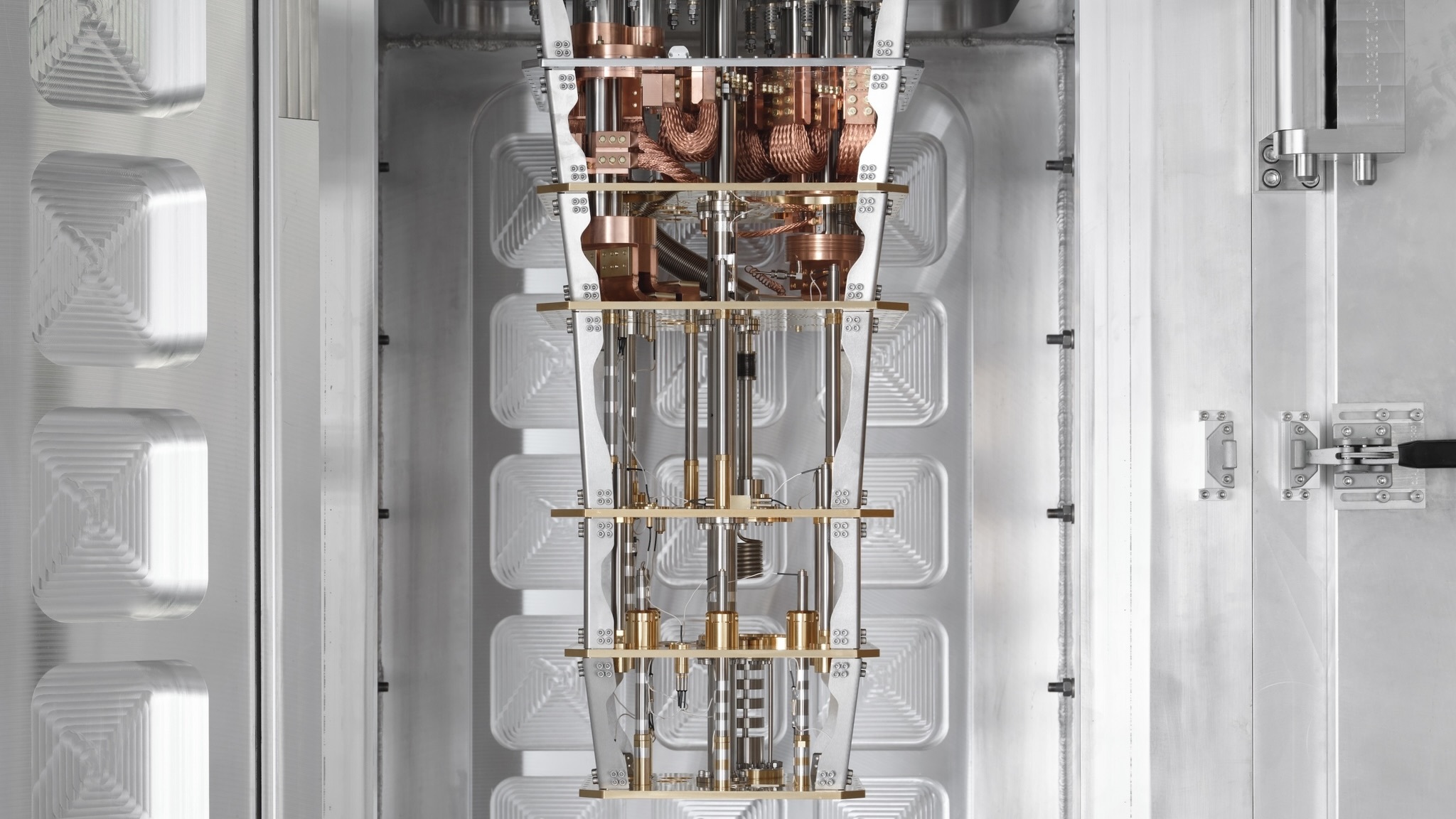
To maintain the required temperatures, IBM’s cryogenic modules use helium compressors, dilution refrigerators, vacuum-sealed enclosures, electromagnetic shielding and multilayer insulation. IBM said a module takes more than four days to cool to approximately 4 kelvin before reaching temperatures below 15 millikelvin.
A conventional large-scale system would be difficult to maintain because any hardware upgrade or repair could require engineers to break the thermal seal. Modular refrigeration reduces that risk by separating the quantum processors into individual units that can be connected, upgraded or serviced more efficiently.
IBM says multiple cryogenic modules could eventually be connected to create larger quantum-computing systems.
(Image credit: IBM)
The new architecture uses a superconducting cable known as an “L coupler.” The cable is approximately 3.3 feet (1 meter) long and is designed to transmit quantum information between processors housed in separate cryogenic modules.
IBM researchers say the L coupler could allow quantum gates to operate between qubits on different chips. This interconnectivity is a key requirement for building larger, networked quantum computers.
IBM’s roadmap to fault-tolerant quantum computing
IBM plans to introduce its modular cryogenic architecture in 2027. The company expects early systems containing two or three modules to support approximately 1,000 qubits. By 2029, IBM aims to perform up to 100 million quantum operations in a single session as part of its plan for the Starling quantum computer.
Researchers have so far demonstrated that two cryogenic modules can be connected and cooled simultaneously. The system has also been tested with basic gate operations using IBM’s Flamingo processor. More complex operations will be tested with IBM’s next-generation Nighthawk processors.
IBM plans to use its modular cryogenic technology as part of the Starling quantum-computing platform.
(Image credit: IBM)
IBM says fault-tolerant quantum computing will require thousands of engineering advances across processors, control systems, software, cryogenic hardware and quantum error correction. The modular refrigerator is intended to solve one part of that larger challenge by making quantum-computing infrastructure easier to scale.
Superconducting quantum computers are not the only approach being developed. Other systems use photons, lab-grown diamonds or different qubit technologies that can operate closer to room temperature. As a result, IBM is competing with several quantum-computing companies to achieve practical, fault-tolerant quantum computing.
Want to test your knowledge of early computing technology? Take our calculation quiz.