


Spider webs may be one of nature’s most effective environmental DNA (eDNA) collection tools. Their natural sticky material traps biological debris from the spiders that create them, their prey, and nearby plants and animals. This can include saliva, pollen, fungal spores and other genetic material. Because all living organisms release DNA into the environment, including through the air, spider webs can capture genetic traces from a wide range of wildlife.
“This is probably one of the best substrates we’ve ever used and tried,” says molecular ecologist Joshua Newton of Curtin University in Perth, Australia. Newton studies vertebrate populations by collecting samples from flowers, streams, hollow trees and even the filters of moving vehicles. In a recent comparison, his team examined the biodiversity detected by spider webs alongside samples from vegetation swabs, water, soil and filter-equipped fans placed near a zoo and wildlife reserve outside Perth.
Each sampling method offered distinct advantages. Vegetation swabs detected more forest mammals, while water samples identified more fish. However, no passive sampling tool matched spider webs for detecting vertebrate DNA. Similar research in France has also highlighted the potential of spider webs for noninvasive wildlife monitoring.
There was one major drawback: researchers had to destroy approximately 40 spider webs to collect enough material for reliable analysis. “Collecting habitat goes against everything we’re trying to do,” Newton says.
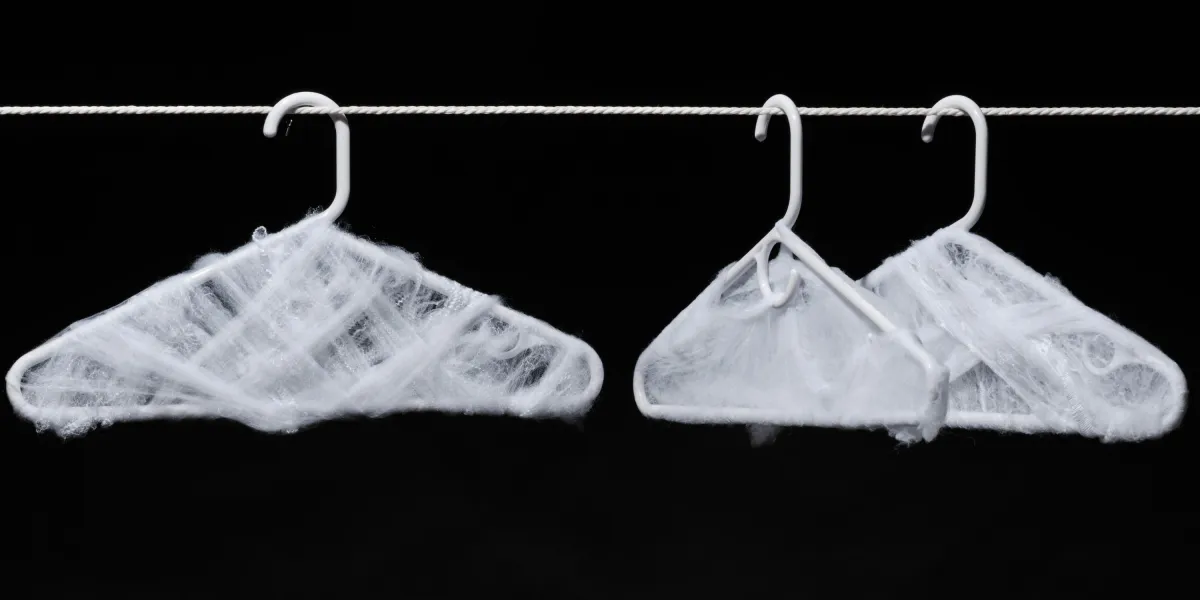
Fortunately, Newton’s research attracted the attention of Angela McGaughran, a genomicist at the University of Waikato in New Zealand. She purchased synthetic spider web material from a local Halloween store, wrapped it around coat hangers and placed it outdoors. The artificial webs successfully captured environmental DNA from nearby cows and sheep, as well as exotic birds housed in a nearby aviary.
Artificial webs could also benefit plant pathologists monitoring agricultural threats. In testing, they detected fungal spores more accurately than natural spider webs. McGaughran’s team is now developing larger-scale experiments to determine whether synthetic webs can provide a low-cost, highly efficient way to replicate spider webs’ ability to collect environmental DNA from wildlife and plants.
Stephen Ornes is a science writer based in Nashville.
Source: www.technologyreview.com