


Chinese Pottery Reveals Great Zimbabwe’s Global Trade Network
Archaeologists excavating the medieval city of Great Zimbabwe have uncovered fragments of jade-green Chinese pottery, evidence that the powerful African kingdom had long-distance connections with East Asia more than 1,000 years ago.
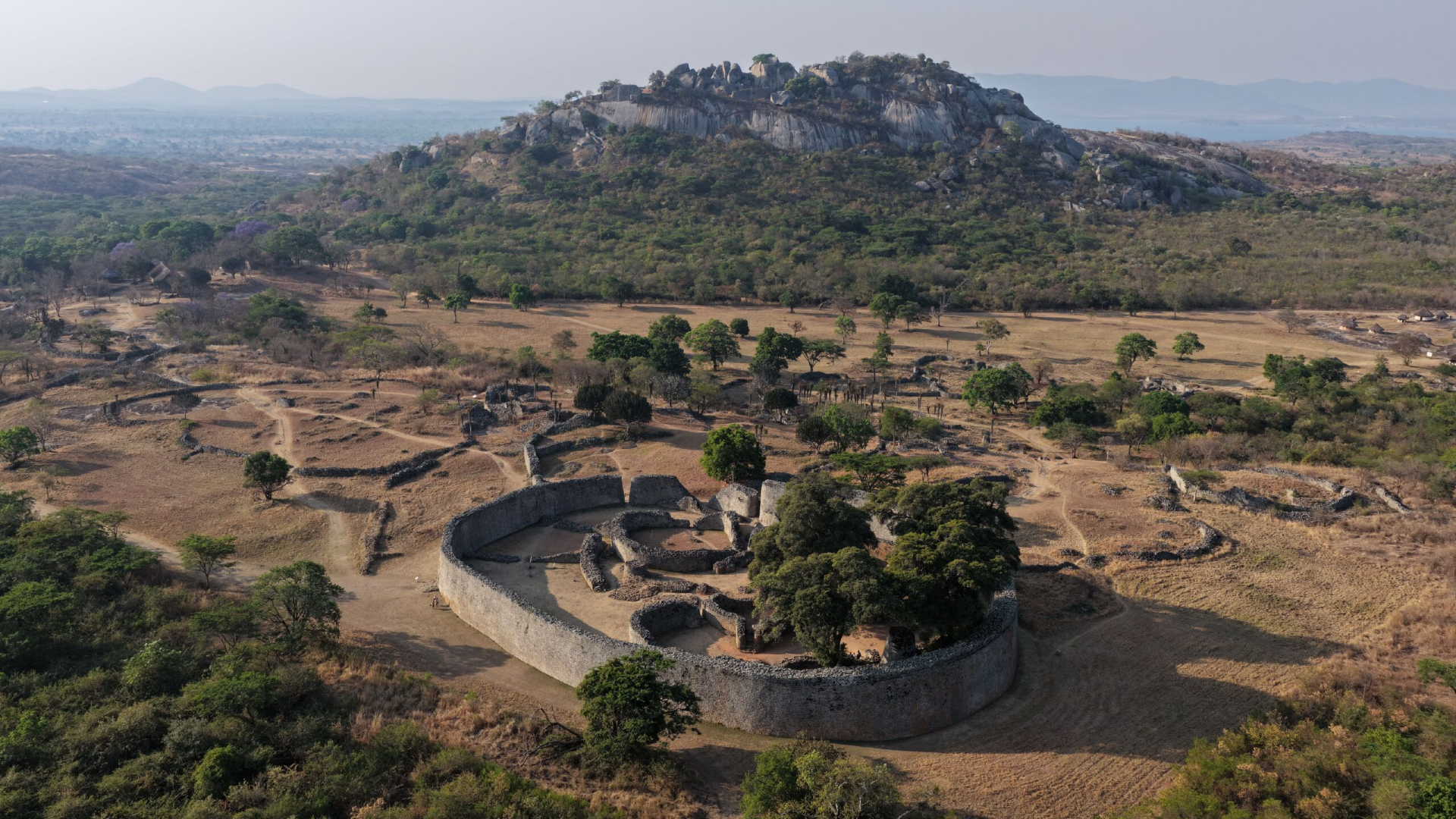
Located in southeastern Zimbabwe, Great Zimbabwe was the capital of an ancient empire that emerged around 1000 AD. The civilization is known for its intricate metalwork, ceremonial stone carvings and monumental dry-stone architecture, but little is known about it because its people left behind no written history.
New archaeological research is helping reveal the scale of Great Zimbabwe’s civilization, including its rituals, political structure and extensive trading activities.
Great Zimbabwe’s history was distorted by colonial claims
PBS’s documentary Secrets of the Dead: Africa’s Golden City follows archaeologists as they investigate the origins of the civilization, its trading networks and why it disappeared after about 500 years.
Oxford University archaeologist Shadreck Chirikure is leading new excavations at the site.
“When I was growing up, I was surrounded by symbols of Great Zimbabwe,” Chirikure said in the documentary. He recalled noticing a major debate at university about who built the ancient city.
The site was first excavated in the late 19th century and was quickly plundered by British settlers for ivory, metal and gold artifacts. Those settlers falsely claimed that Great Zimbabwe had been founded by the Phoenicians, a Mediterranean people, rather than by Africans. According to the documentary, the claim was used to justify removing artifacts to Britain, where many remain in museum collections, including at the Pitt Rivers Museum at Oxford University.
Archaeological evidence has since shown that Great Zimbabwe was a close-knit African kingdom that flourished from the 11th century to at least the 15th century.
Indian Ocean trade connected Great Zimbabwe to Asia
Artifacts found at Great Zimbabwe include glass objects brought by ships from Southeast Asia, India and the Middle East. The discoveries show that the city was connected to trading routes across the Indian Ocean.
Great Zimbabwe is at least 8,000 kilometers (5,000 miles) from India and Sri Lanka. Merchants used winds generated by the monsoon cycle to navigate between distant coastal regions.
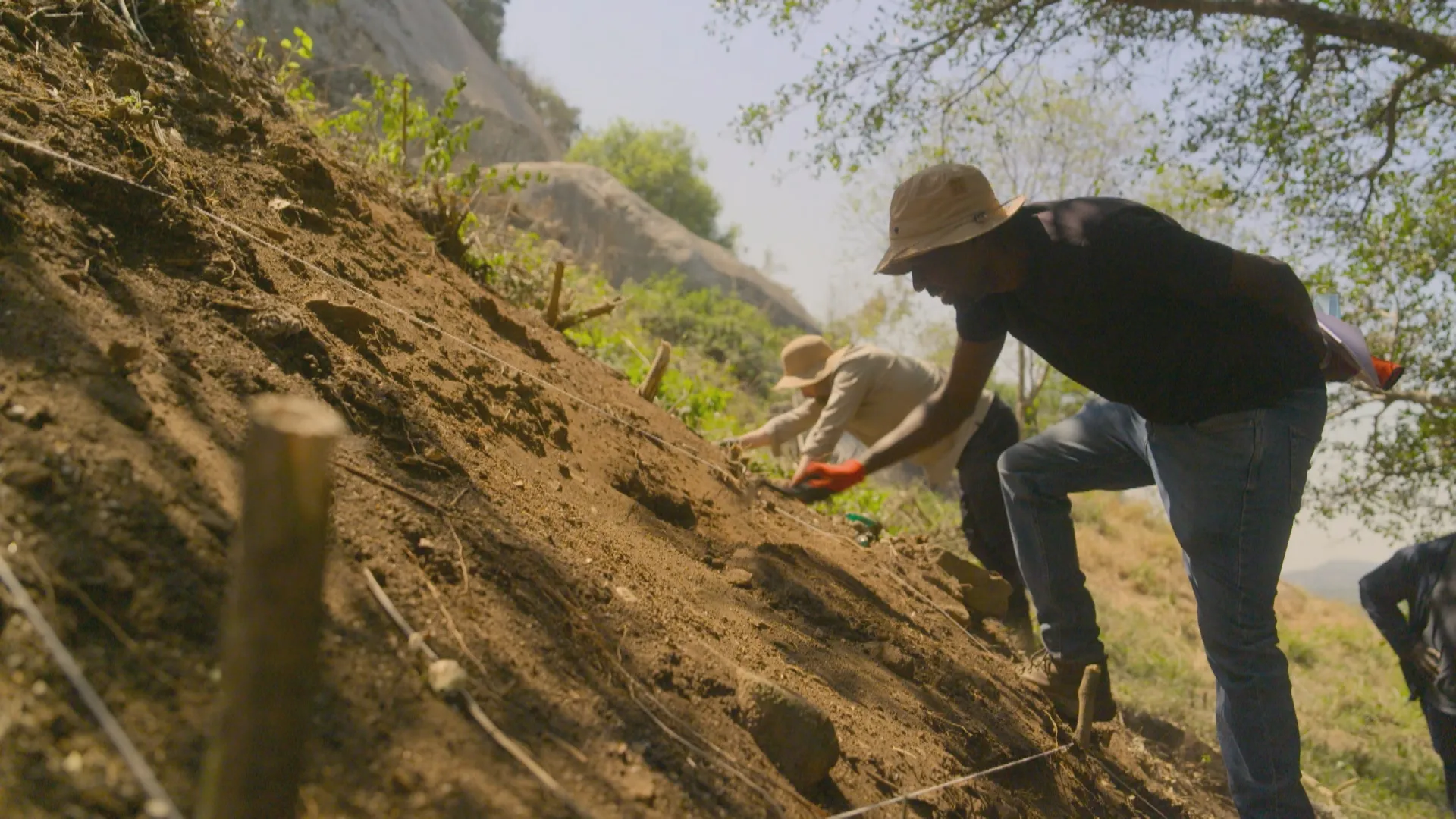
Image credit: Secrets of the Dead / PBS
“It’s time to try to understand a little bit more about trade and exchange, especially by comparing communities in places like Sri Lanka and southern Africa,” Chirikure said. “While it was water that separated people, it was also water that brought people together.”
Jade-green Chinese pottery points to elite trade goods
In a special clip from the documentary, Chirikure and Oxford University PhD student Muchen Zhou examine jade-colored pottery fragments excavated from a hillside at Great Zimbabwe.
The pottery has a shiny sheen, suggesting it was fired at extremely high temperatures—a technological achievement associated with China at the time. The fragments are identified as Longquan celadon, a type of pottery made in eastern China from around 950 AD.
“It has been found throughout the Great Zimbabwe site,” Chirikure said, “but in small quantities.”
The limited number of Chinese ceramics suggests they were rare and valuable. Archaeologists believe they may have been used by the elite or held particular social importance.
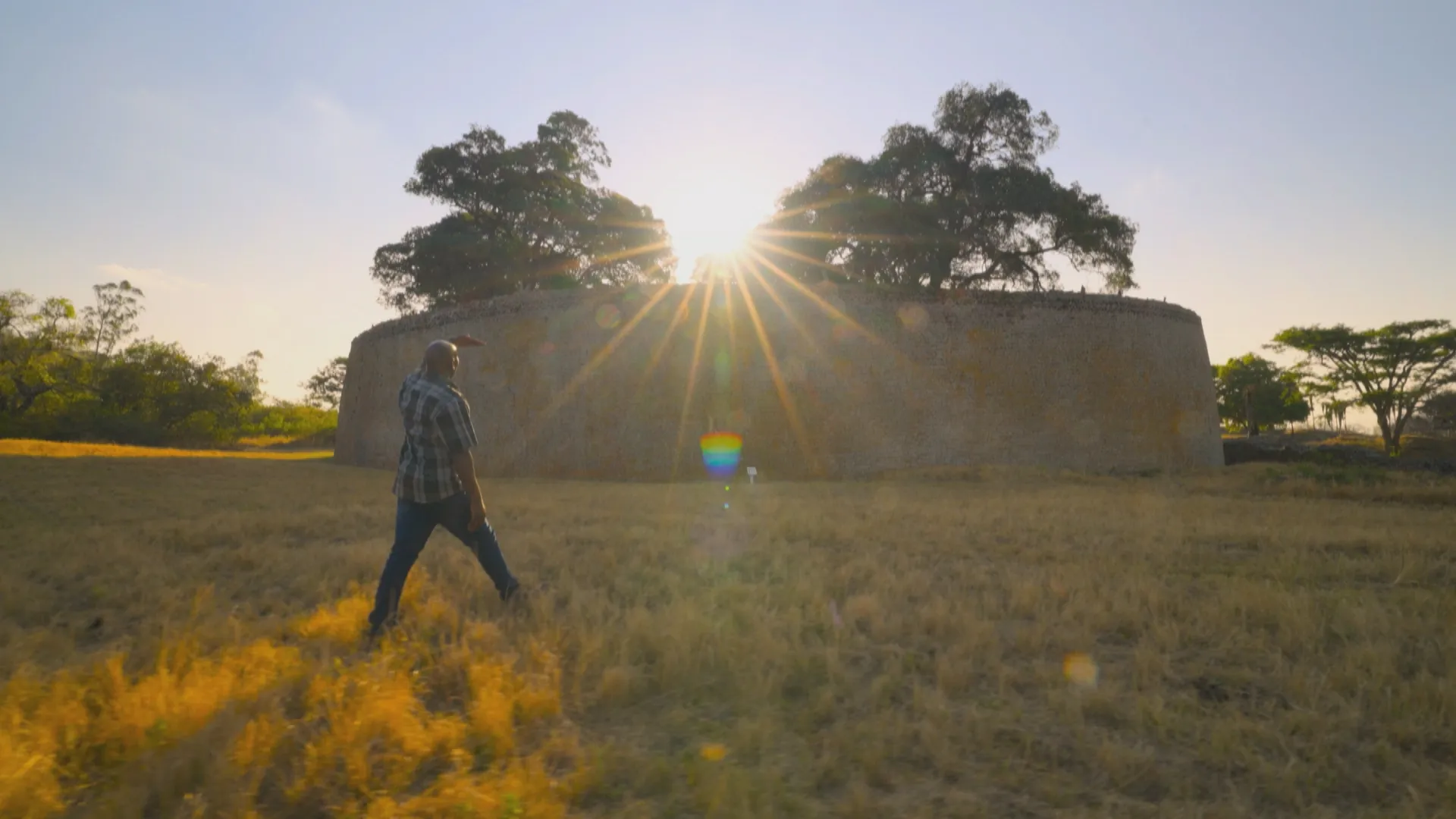
Image credit: Secrets of the Dead / PBS
Evidence of a wide-ranging regional trade network
Chinese pottery was not the only evidence of long-distance trade at Great Zimbabwe. Archaeologists have found metal objects from what is now the Democratic Republic of the Congo, about 1,250 miles (2,000 kilometers) away.
The people of Great Zimbabwe also sourced copper and tin from present-day South Africa, more than 500 kilometers (300 miles) away. Chemical analysis of cattle bones revealed that some animals were traded within a range of 87 miles (140 kilometers).
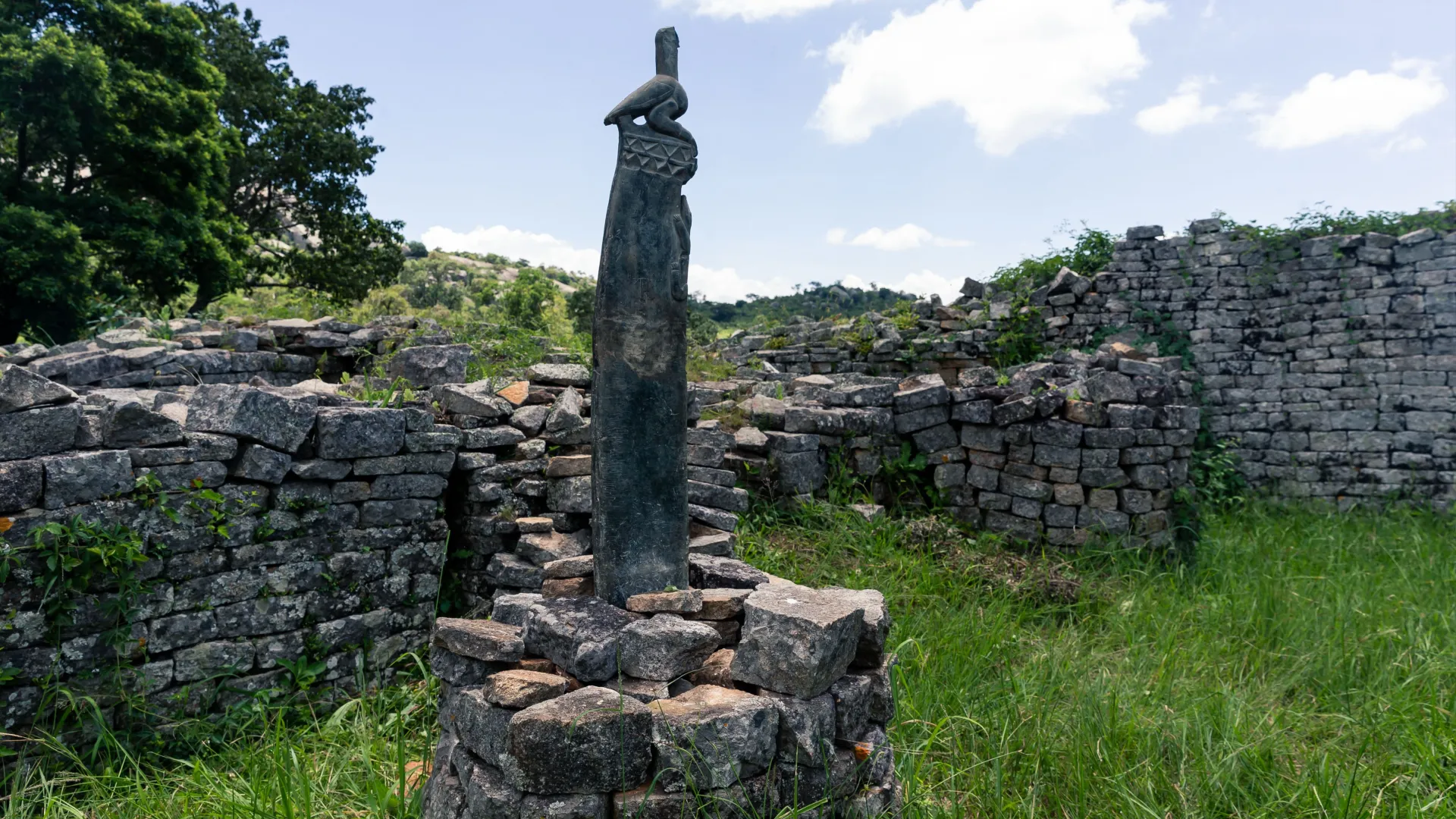
Image credit: Jekesai Njikizana/Getty Images
The mystery of Great Zimbabwe’s soapstone birds
Chirikure’s next project will examine local resources such as soapstone, which holds great significance for the Shona people, Zimbabwe’s largest Indigenous group.
“Soapstone birds are an important part of Great Zimbabwe. But no one knows where soapstone comes from,” he said.
The Bird of Zimbabwe, based on soapstone birds discovered at the archaeological site, is the national emblem and appears prominently on Zimbabwe’s national flag.
Several soapstone outcrops are located around Great Zimbabwe. Chirikure hopes to investigate the area to determine the geological origin of the stone used to create the famous carvings.
Secrets of the Dead: Africa’s Golden City premiered on Wednesday, October 14 at 10 p.m. ET.
Source: www.livescience.com