


Theranos’ Legacy: Why Blood-Testing Startups Still Pursue Elizabeth Holmes’ Vision
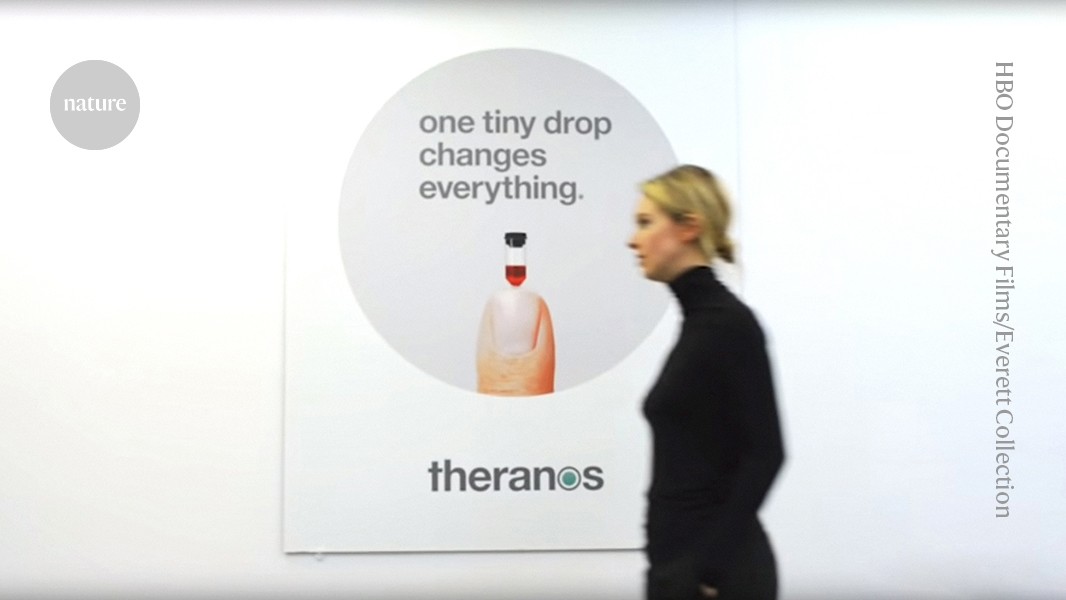
Theranos, a failed blood-testing company founded by Elizabeth Holmes, claimed its equipment could perform hundreds of tests with just a few drops of blood.
Credit: HBO Documentary Film/Everett Collection
Everything Is Visible depicts the final weeks of disgraced entrepreneur Elizabeth Holmes before she entered prison in 2023. Since its release in the United States last week, the film has renewed attention on Holmes and her failed blood-testing startup, Theranos. But for the biotech industry, the specter of Theranos never went away.
Blood, Sweat, and Tears in Biotechnology — The Theranos Story
More than a decade after the company’s spectacular bankruptcy, a new generation of diagnostic companies is still grappling with the aftermath. In the 2010s, Theranos announced that its device could perform hundreds of tests with just a few drops of blood, significantly reducing the amount of fluid needed for routine diagnostics.
The company’s success soared as investors backed the technology. But a U.S. federal jury later ruled that Theranos had misled financial backers about the capabilities of its devices, and two executives, including Holmes, were sentenced to more than 10 years in prison.
Today, health-tech companies continue to develop devices related to what Theranos wanted to create. These companies say Theranos’ collapse highlights the importance of transparency in medical diagnostics. “Confidence in diagnosis should come from evidence, not promises,” says Dena Marinucci, co-founder of Truvian Health, a diagnostic company in San Diego, California.
Paul Yeager, a bioengineer and diagnostic developer at the University of Washington in Seattle, said Theranos “left a huge hole in the entire field of monitoring and diagnostics.” For years after the collapse, he said, researchers pitching blood-testing technology faced the same opening question at every meeting: “How is what you’re trying to do different from what Theranos is trying to do?”
Why Theranos’ finger-prick blood tests failed
Standard diagnostic tests can measure everything from basic mineral, or electrolyte, levels to hormones in the blood. They typically require several vials of fluid from a person’s arm to ensure a large, homogeneous sample. The results can be used to diagnose and track various health conditions.
Theranos, based in Palo Alto, California, claimed its Edison device could perform hundreds of diagnostic tests with just a few drops of blood drawn from a finger prick. But behind the scenes, the company struggled to make its platform work as advertised. It instead relied on diluting patient samples and running them on other companies’ standard blood-testing machines, sometimes producing skewed readings.

In Everything Is Visible, filmmaker Nathan Fielder, left, captured Elizabeth Holmes’ last days with her family before she went to prison for defrauding investors.
Credit: A24/Everett Collection
Eric Olson, founder of Babson Diagnostics in Austin, Texas, said Theranos’ failure likely had many factors. One was the use of blood from a finger prick instead of an arm vein, which creates the potential for sample contamination.
For example, if a person squeezes a fingertip to extract a blood droplet, blood cells can burst as they emerge from the skin. This can release debris into the sample and cause false measurements.
Low blood volume also creates statistical problems, Yeager said. The human bloodstream contains enough sugar that only tiny droplets are needed to measure abundant molecules such as glucose. However, many disease biomarkers, including viral particles from HIV infection, circulate at much lower concentrations. In a few microliters of blood from a finger prick, those molecules may barely register on the device’s detector.
How new diagnostics companies are trying to overcome the challenges
Despite these obstacles, the biotech industry has not abandoned Theranos’ broader goals. Making rapid blood monitoring more accessible remains urgent, especially for people who live in rural areas far from central laboratories and for elderly and disabled people who have difficulty getting to medical appointments, Yeager said.
How whistleblowing the Theranos scandal changed Erica Chan’s career
Yeager says he has had difficulty keeping track of the number of blood-testing startups, particularly over the past year as they have grown rapidly. He believes this commercial boom is largely driven by ultra-wealthy consumers and social-media influencers who encourage seemingly healthy people to pay for biomarker tests, many of which are unproven, in an effort to extend their lifespans.
Rather than challenge the limitations Theranos struggled with, some companies are trying to circumvent them. Olson said Babson Diagnostics’ blood-testing service, BetterWay, has standardized the typical fingerstick collection method by extracting six to 12 drops of blood and using specialized equipment to reduce the chance of cell damage.
Source: www.nature.com