


Possible Human Sacrifice Discovered Near Huaca Pucllana Pyramid in Peru
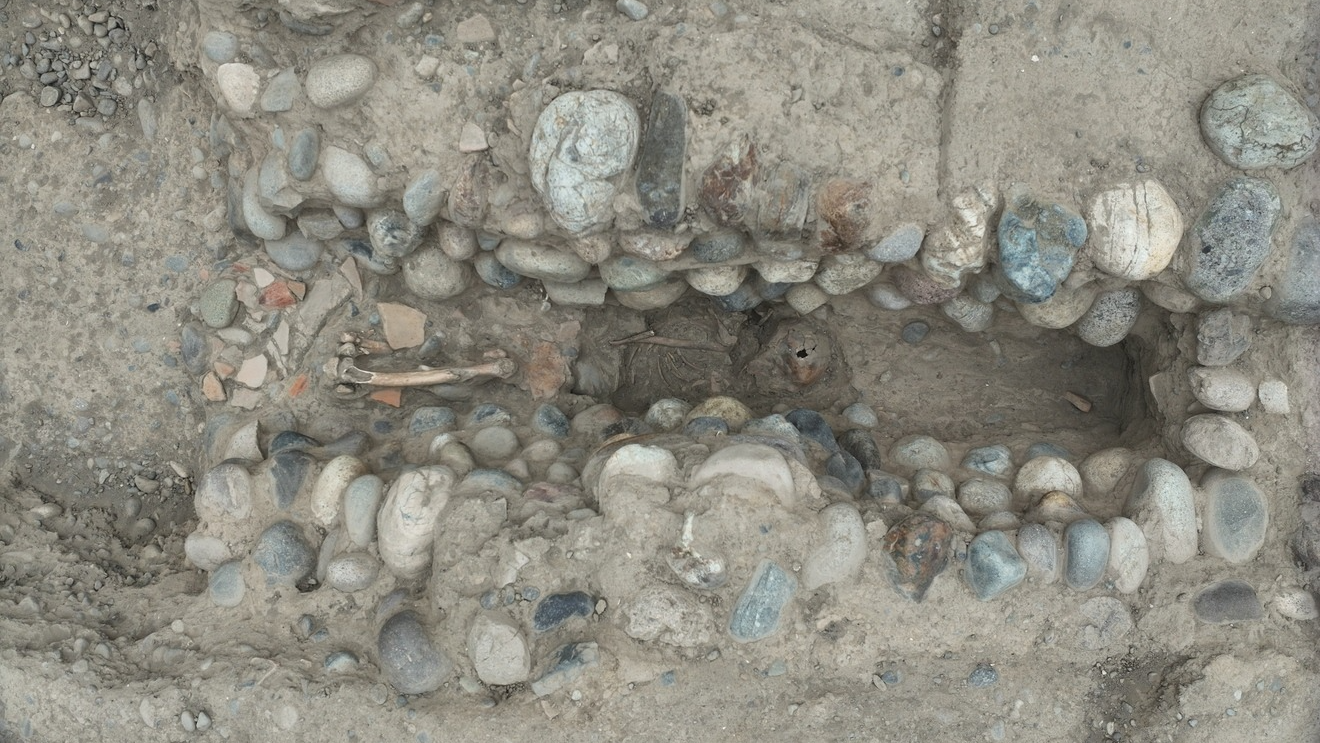
Archaeologists have uncovered possible evidence of a human sacrifice near the Huaca Pucllana pyramid in central Lima, Peru. The remains of an adult man were found in an underground water channel connected to a ceremonial well that appears to have been sealed approximately 1,400 years ago.
According to an official statement from Peru’s Ministry of Culture, archaeologists discovered the bones earlier this year. The individual was positioned on his left side, with his skull facing both the sea and the Huaca Pucllana pyramid. This deliberate placement may indicate that the burial was part of a ritual offering.
The Huaca Pucllana archaeological site was established around 400 AD in what is now Lima. It remained in use by several pre-Hispanic cultures until approximately 1440. The site is best known for its monumental platform pyramid, which was constructed by the Lima culture and used as a ceremonial and administrative center.
From the latest videoLive Science
Evidence of Ritual Activity at Huaca Pucllana
Archaeological research suggests that the people of the Lima culture carried out several important ceremonies at Huaca Pucllana. A 2023 study identified three recurring forms of ritual activity: the destruction of large ceramic vessels, ceremonial feasting and human sacrifice.
These rituals appear to have continued for several centuries, although the number of people involved varied over time. In 2007 and 2009, archaeologists reported the discovery of an adult man and woman buried at the base of the pyramid. Researchers suggested that the individuals may have been sacrificed during ceremonies associated with the pyramid’s construction or later architectural modifications.
Skeleton Found in Ancient Ceremonial Waterway
The newly discovered burial is estimated to date to around 650 AD. It was located in a waterway leading to a ceremonial well near the Huaca Pucllana pyramid. According to the Ministry of Culture, the Lima culture generally built its pyramids with small adobe bricks, while its wells and channels were constructed using river stones. This difference makes the water infrastructure an unusual feature of the site.
Archaeologists believe the remains likely belong to an adult male based on the shape of the pelvis and skull. However, further examination is needed to confirm the individual’s biological sex, age at death and cause of death. Researchers will also look for skeletal injuries or other evidence that could indicate whether the person was the victim of violence.
What the Discovery Could Reveal
Further analysis of the skeleton and the underground water system could provide new information about the closing ceremony associated with the ceremonial well. Scientists may be able to determine how the burial was carried out and whether it was connected to broader religious practices at Huaca Pucllana.
The find adds to growing evidence that the Lima culture used the Huaca Pucllana pyramid for complex ceremonies involving architecture, food, objects and human remains. As research continues, the burial could offer important clues about the beliefs and ritual traditions of one of ancient Peru’s most significant coastal cultures.
How much do you know about the first people to reach the Americas? Find out with our information My First American quiz!
Source: www.livescience.com