


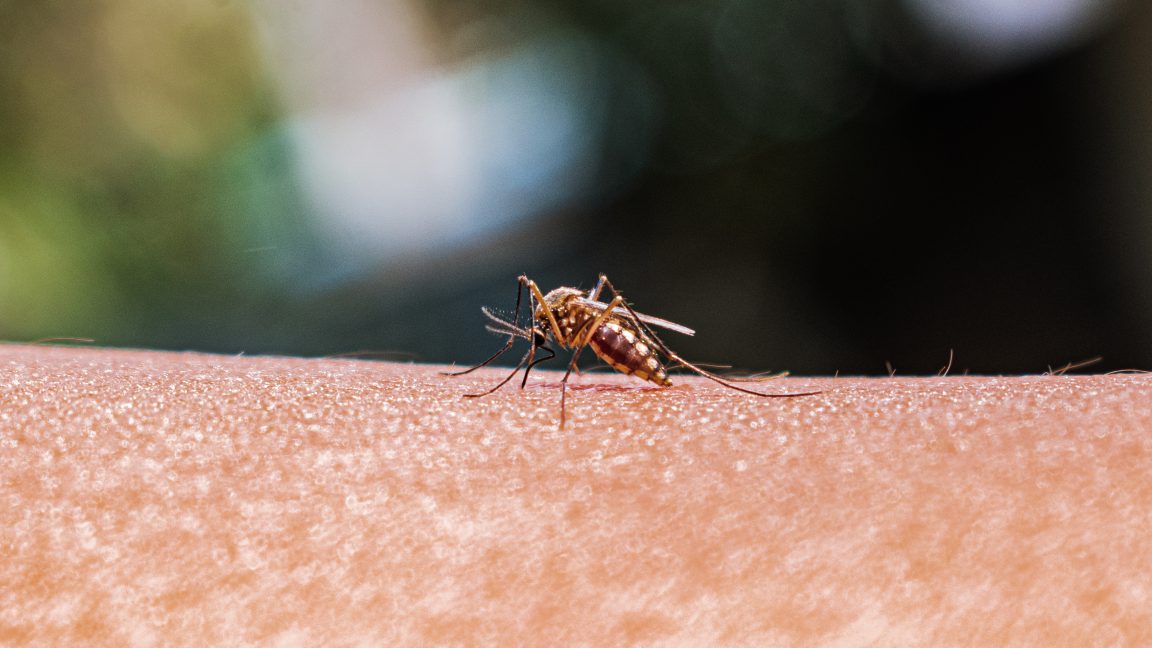
Surveillance programs for mosquitoes are typically labor-intensive and costly. They require dedicated teams to set up and monitor traps alongside experts who identify, classify, and test samples. Some traps lure female mosquitoes using “stinky water” that is rich in decaying organic matter, while others utilize dry ice to release carbon dioxide, attracting mosquitoes by mimicking the scent of mammals. However, acquiring dry ice can be particularly challenging in rural New York, forcing the team to create their own ice.
In addition to logistical challenges, issues related to communication, coordination, and data sharing significantly hinder mosquito surveillance efforts.
“One of the major issues with states lacking comprehensive monitoring programs is the inconsistency in data collection,” Reidet stated. “Many of these programs are county-run, but there’s often little communication between counties.”
Reide’s laboratory discovered that this fragmented approach allows some non-native mosquito species to remain undetected.
Another barrier to enhancing oversight is funding. “If counties lack the necessary funding and resources, these critical programs will fade away,” Reidet noted. “Without these monitoring initiatives, we end up reacting to problems instead of preventing them, which is counterproductive.”
The proposed legislation in the New York State Assembly aims to pave the way for a comprehensive mosquito surveillance program. This would enable public health officials to act before outbreaks occur, contrasting with the current “sparse and broken” system.
Preventive measures include eliminating standing water, applying targeted larvicides at breeding locations, and advising the public to use insect repellents and cover exposed skin while outdoors. However, extensive insecticide applications may be necessary during an outbreak.
While greater centralization could mark a positive step forward, achieving widespread coordination in a large state like New York is challenging, according to Reidet. “There’s significant public interest in these programs, but once the costs are considered, enthusiasm may wane,” he added.
Nevertheless, he emphasized, “Any assistance is better than none.”
This article was first published by Inside Climate News, a nonprofit, nonpartisan news organization focused on climate, energy, and environmental issues. Subscribe to our newsletter here.
Source: arstechnica.com