


Creatine is widely favored among athletes, from bodybuilders to Premier League soccer players. Even Hollywood icons like Ryan Reynolds and Mark Wahlberg integrate it into their “on-camera” fitness routines.
As one of the most popular muscle-building supplements available, creatine’s effectiveness cannot be overlooked.
But what makes it so unique? What exactly does creatine do? How does it function, and why is it one of the rare supplements that appears to have real impact, unlike many others that yield minimal results from dietary sources?
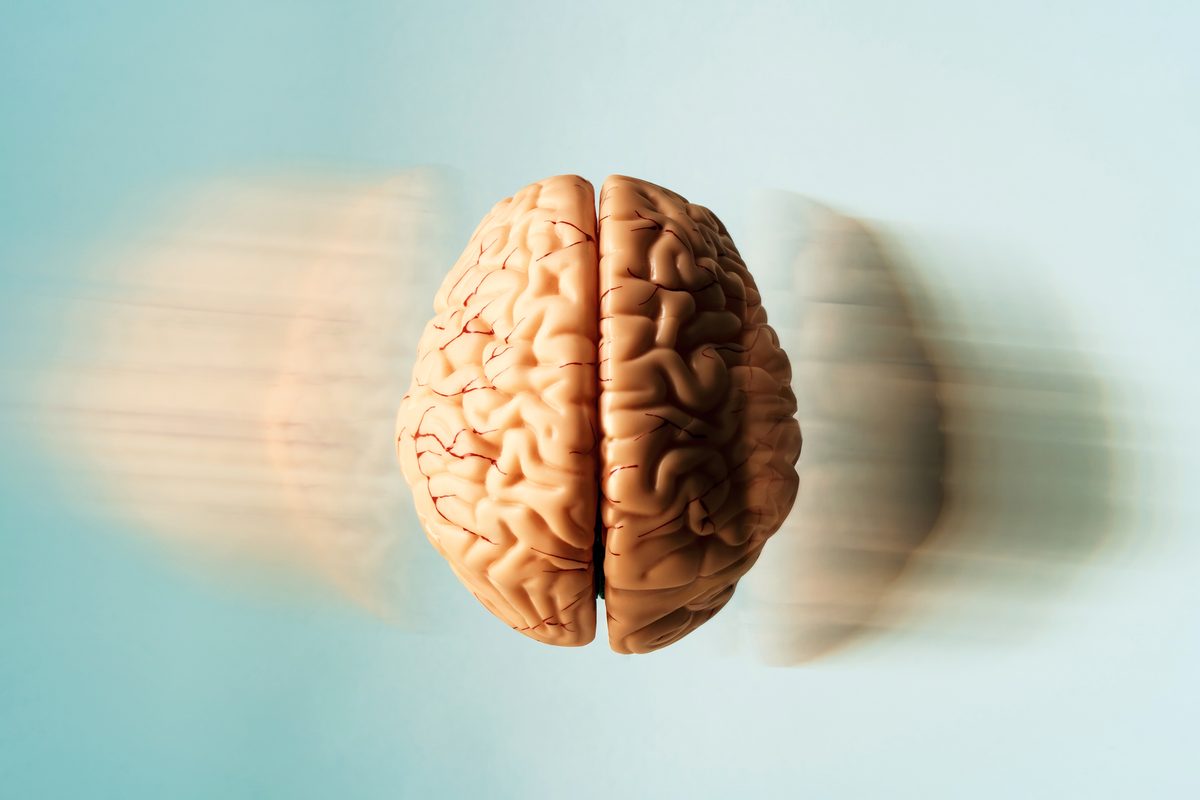
Additionally, it’s intriguing that this supplement, primarily associated with muscular enhancement, is now being recognized for its potential cognitive benefits as well.
What Does Creatine Do?
Creatine isn’t a newcomer; athletes have utilized it for decades. Footballer Ian Wright dubbed the supplement his “magic bullet,” while British sprinting stars Linford Christie and Sally Gunnell were also advocates of its use.
The benefits of creatine are rooted in basic exercise physiology.
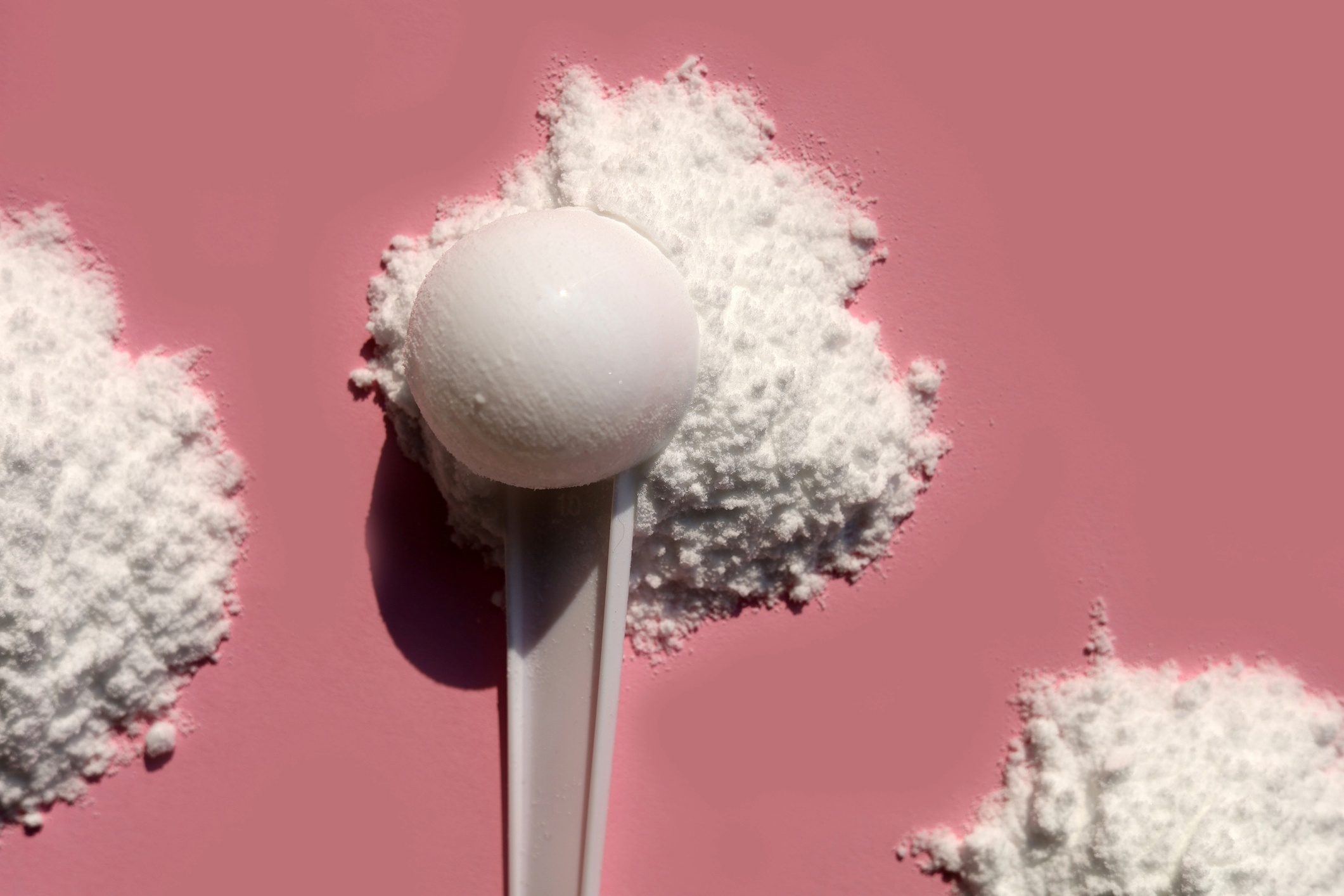
Naturally found in your muscles and brain, creatine helps boost creatine phosphate stores, facilitating the production of adenosine triphosphate (ATP)—the energy source essential for muscle contractions. The body produces about 1-2 grams of creatine daily, supplemented through diet, albeit in minor amounts.
According to Dr. Mark Fell, a nutritionist associated with the Ineos Grenadiers cycling team, “Intramuscular phosphocreatine stores are limited to support 5-10 seconds of maximal effort.” By increasing creatine availability through supplements, you can start your workout with full phosphocreatine reserves and sustain them throughout your routine.
“While creatine is available in red meat and shellfish, the quantities are minimal. Therefore, creatine supplementation simplifies the process of enhancing intramuscular stores in a short timeframe.”
A 2003 review found that 500 studies on creatine showed that 70% reported statistically significant performance enhancements, while the others noted “nonsignificant improvements.” But what are those “benefits”?
Dr. Fell emphasizes, “Creatine is particularly valuable for athletes engaged in sprinting and weight training, as it is heavily involved in their energy systems, aiding in muscle mass and strength growth.”
How significant are these increases? A 1999 study revealed a 32% increase in weight lifted when compared to a placebo during a 12-week training program. Similarly, a 2017 survey found a 7.2% increase in muscle mass over 8 weeks.
Sound impressive? However, not every athlete will realize the same results. “Endurance athletes,” performing less intense activities over prolonged periods, may see limited benefits. Still, they can gain from creatine if their training involves repeated short bursts of high-intensity effort,” says Dr. Fell.
Read More:
How Can It Help Your Brain?
If improving performance in the gym isn’t your primary goal, you might wonder if creatine has benefits for “everyday” individuals. Emerging evidence suggests that creatine supplementation may also boost cognitive performance, as it enhances energy availability when demand spikes.
This is crucial since the brain, while comprising about 2% of body weight, consumes roughly 20% of resting energy.
Dr. Fell notes, “Research is still in preliminary phases, so definitive conclusions are challenging. Nevertheless, high doses of daily creatine may enhance cognitive functions, including memory, processing speed, and performance in executive and sports-related skills.”
Additionally, preliminary findings indicate that creatine may support post-concussion recovery in young adults.
Julia Fabienne Sandkuehler, a doctoral student at the University of Bonn, co-authored a 2023 study examining the effects of creatine on cognitive performance. She highlights that while modest improvements in cognitive functions are noted, larger benefits may manifest in specific populations.
“Individuals with brain creatine deficiency syndrome experience substantial cognitive benefits from supplementation, with conditions leading to severe intellectual disabilities often reversible with creatine intake,” she adds.
Moreover, there’s evidence suggesting brain creatine levels may decline with age, similar to muscle creatine levels. It remains unclear if this decline is due to aging itself or factors like dietary choices and decreased activity.
Should I Take Creatine?
Numerous studies demonstrate that creatine can enhance muscle strength and power, alongside emerging evidence supporting its brain benefits. But how much should you be taking? According to Dr. Fell, it varies based on how quickly you wish to augment your creatine stores.
One strategy includes a “loading” phase of 20 grams of creatine per day (divided into four 5-gram doses) for five days, followed by a daily maintenance dose of 3-5 grams. Alternatively, you can stick with a maintenance dosage of 5 grams daily over an extended period. Consistency is essential.
Considering potential cognitive benefits, that amount may rise to around 10 grams per day. If you choose to try creatine, opt for the well-researched creatine monohydrate form and mix it with water.
If utilized correctly, creatine boasts numerous advantages. So what’s the downside?
Dr. Fell mentions, “The most prevalent side effect is weight gain, potentially ranging from 1-2 kg (2-4 lbs), as creatine promotes water retention in muscles.” Not everyone experiences this, and it generally levels off rapidly.
However, water retention isn’t the sole adverse effect attributed to creatine. Its widespread use means it’s linked to various assumptions. Nevertheless, creatine is arguably the most thoroughly researched supplement available, aside from caffeine. A 2021 review examined common beliefs regarding the potential side effects of creatine supplements.
For instance, does creatine cause kidney damage? The review concludes, “When consumed at suggested doses, it poses no risks.” What about hair loss? “Current evidence does not indicate that creatine supplementation leads to hair loss or baldness.” Do cramps occur? “No.” Does creatine contribute to increased fat mass? “No.” All findings come with the caveat of “when taken at recommended doses.”
In summary, creatine offers considerable benefits—especially for improving sprinting efficiency and strength training capabilities. There’s also growing evidence that it could potentially aid cognitive clarity and memory function, particularly under mental stress and as one ages.
That said, it’s crucial to adhere to recommended dosages, as creatine is a supplement—something you may already consume in sufficient quantities through a nutritious diet.
Always consult your physician before adding supplements to your regimen or embarking on a new workout plan.
About Our Experts
Dr. Mark Fell is a nutritionist and science head for the professional cycling team Ineos Grenadiers.
Julia Fabienne Sandkuehler is a doctoral student in experimental psychology at the University of Bonn, Germany, with research published in medRxiv, BMC Medicine, and Scientific Data.
Read More:
Source: www.sciencefocus.com