


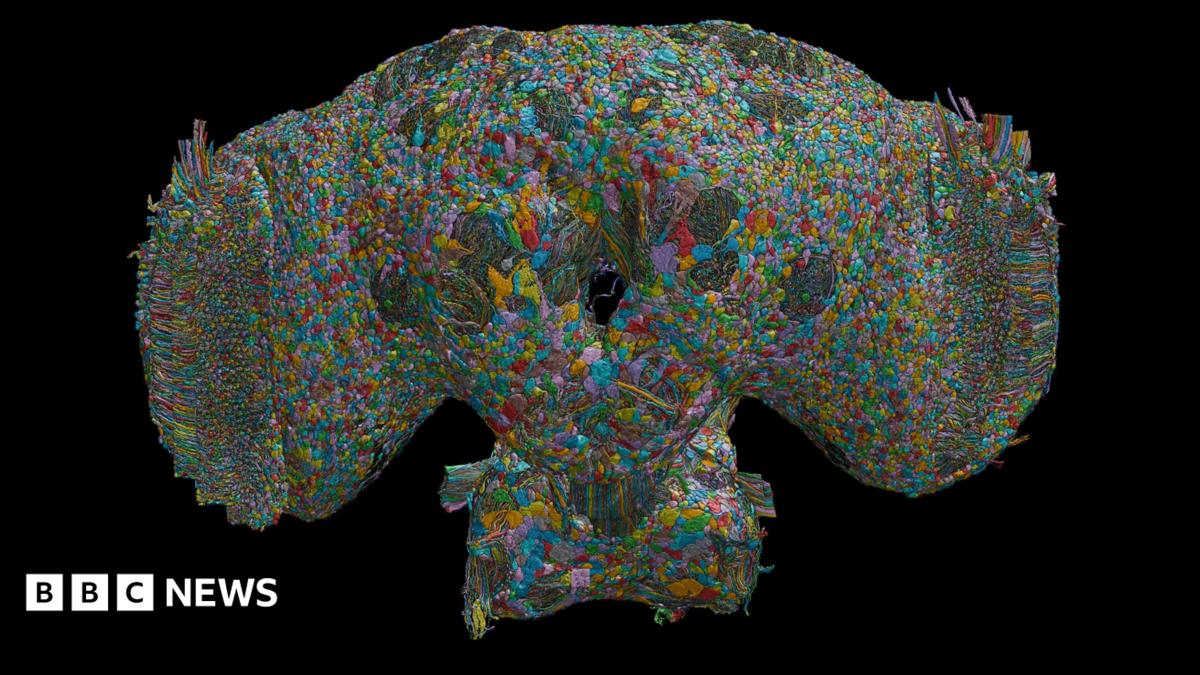
Researchers have identified how two key genes create three differences in the brain wiring of male and female fruit flies. Although scientists have understood the connection between these genes and specific behaviors for years, they have not been able to observe the biological process linking genes to behavior. This study provides the first detailed view of the neural circuits shaped by those genes.
The study was not designed to simply identify differences between male and female flies or explain suspected behavioral differences between the sexes. Instead, researchers used the flies’ brains to investigate how changes in neural wiring can influence behavior.
Beckett explains that comparing two brains with small wiring differences and known behavioral differences allows scientists to identify the fundamental principles behind changes in brain connectivity.
“If you have one independent variable, gender, you can tell what’s different. This is a scientist’s dream.”
These findings represent an important step toward answering one of biology’s biggest questions: how do genes influence behavior? By showing how genes shape brain wiring, the research helps explain how genetic differences can affect the way organisms behave.
Scientists have known for decades that genes influence behavior, but the biological mechanisms behind that relationship have remained unclear. Dr. Jefferis says the answer lies in the way genes build neural circuits and how those circuits control behavior.
“By comparing the brains of flies, we can understand this very well,” he told BBC News.
“There appears to be a strong genetic basis for human behavioral patterns. For example, many genetic variants have been associated with schizophrenia and autism spectrum disorders, but their biological effects are still not fully understood.”
Source: www.bbc.co.uk