


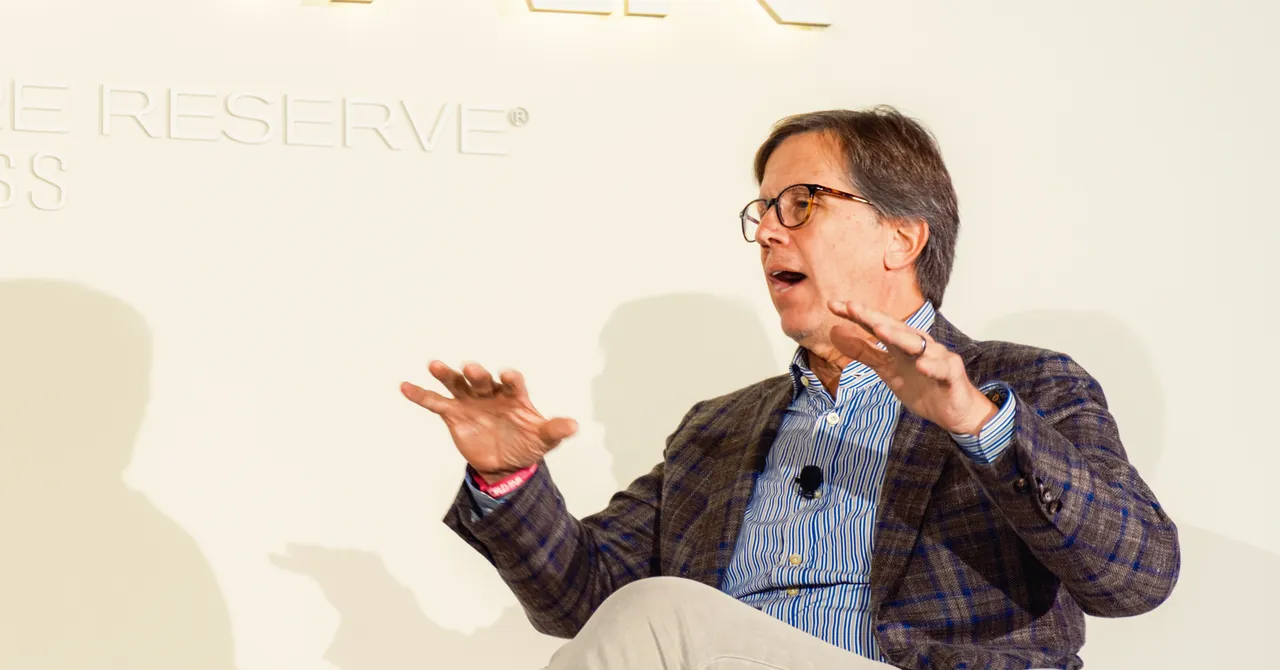
As major technology companies face allegations that they failed to protect young users, attorney Mark Lanier is pressing a broader question: what does it take to hold social media companies accountable? Lanier, who represented plaintiffs in the first social media addiction case to reach trial, said legal judgments, government lawsuits and public pressure could all help drive meaningful change.
Social media accountability in court
“I think we need to take the tar out of them,” Lanier told WIRED senior correspondent Lauren Good at the WIRED World’s Fair on Wednesday.
Lanier was the lead attorney in the first social media addiction case to go to trial. The case produced verdicts against Meta and Google in March, with the plaintiffs awarded $6 million in damages. Although the verdict represented a symbolic victory, the amount was small compared with the technology giants’ profits.
Lanier said a separate lawsuit, in which the attorney general represents states, could lead to more significant changes and have broader economic consequences. In a case that went to court in August, attorneys general from several states, including Arkansas, where Lanier’s firm served as outside counsel, accused Meta of failing to protect young social media users.
Days after the trial began, Meta agreed to a settlement worth up to $16.7 billion with 51 U.S. states and territories. The company also promised changes to how teenagers use Instagram and Facebook, including a default two-hour limit. TikTok agreed to similar restrictions after a settlement moved to Alabama in September.
Pressure beyond financial penalties
A company valued at $1.7 trillion, such as Meta, may be able to treat settlements and court judgments—even those costing billions of dollars—as a cost of doing business. Lanier argued, however, that these cases can have a less tangible effect by changing how the public and employees view a platform.
Alongside courtroom victories, Lanier said that greater public understanding of corporate behavior and demands for accountability could also drive change.
“I’m not here because it’s Wednesday and I’m bored,” Lanier told WIRED from the World’s Fair stage. “I’m here because I want everyone to know what these companies are doing. Because that kind of pressure can help change everything.”
Source: www.wired.com