


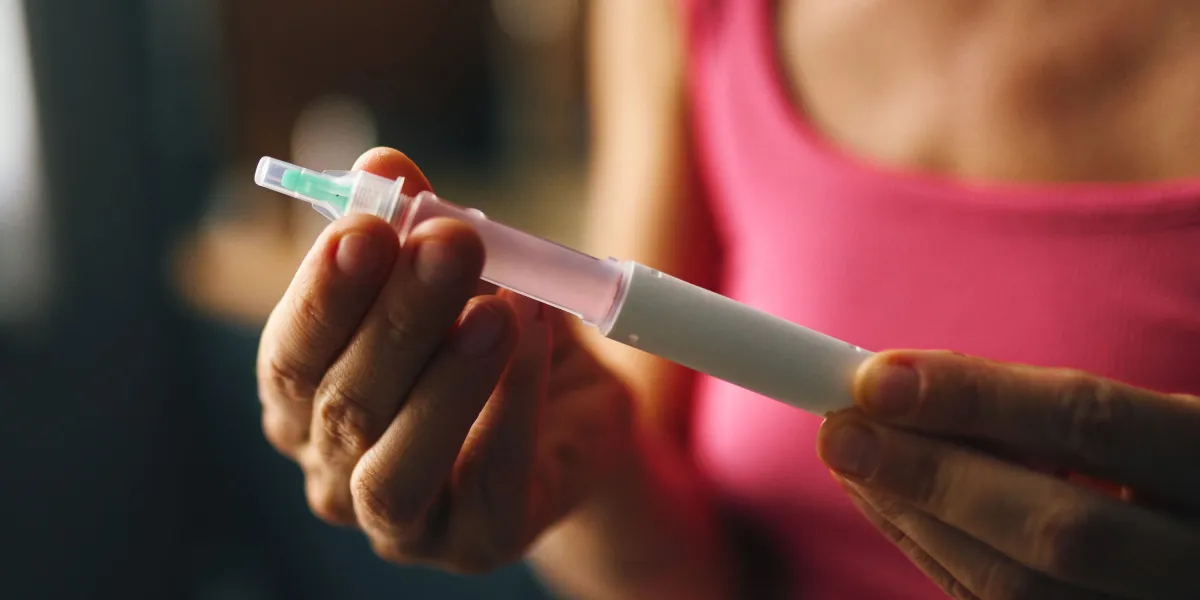
GLP-1 Drugs and Longevity: New Questions About Hair, Nails, Vision and Other Side Effects
Some researchers in the aging field have described GLP-1 drugs as potential longevity treatments, although their benefits may be most relevant to people who are overweight or have diabetes. This interest follows research linking GLP-1 agonists to a range of possible health benefits. At the same time, scientists and patients continue to report unexpected or unusual side effects.
Why GLP-1 drugs are attracting so much attention
GLP-1 agonists suppress hunger and have been approved to treat diabetes, chronic kidney disease and obesity. They may also be prescribed to people who are overweight or at risk for certain cardiovascular diseases.
Research suggests that GLP-1 drugs could potentially help people with substance use disorders. They are also being studied for possible benefits against neurodegenerative diseases and cancer.
Meanwhile, their use is rising rapidly. According to a recent Gallup poll, 11% of Americans currently take GLP-1 drugs for weight loss, up from 3% in 2024. An additional 15% say they have used a GLP-1 drug for weight loss at some point.
Common GLP-1 side effects
GLP-1 drugs can be highly effective, but like any medication, they can cause side effects. Researchers are still working to determine the full range of potential effects and how frequently they occur.
The most common side effects are gastrointestinal, including nausea, vomiting, diarrhea and constipation. GLP-1 drugs have also been associated with concerns involving pancreatitis and cholelithiasis, or gallstones.
Could GLP-1 drugs affect vision?
In rare cases, some people have claimed that GLP-1 drugs can damage the nerves at the back of the eye. Dozens of people have sued Novo Nordisk and Eli Lilly after developing symptoms that could lead to sudden vision loss.
The patients claim their symptoms were caused by GLP-1 drugs produced by the companies. Both companies dispute those claims, and research into a possible connection remains mixed.
GLP-1 drugs and hair loss
The effects of weight-loss drugs on hair and nails are still being studied. When Savannah Vidal and colleagues at the George Washington University School of Medicine and Health Sciences evaluated electronic health data from 67 U.S. health care organizations, they found that GLP-1 use was associated with an increased risk of hair loss.
However, hair loss is still considered uncommon among GLP-1 users.
A new study raises questions about GLP-1 drugs and nail problems
At a conference in Austria, another research group presented results from a smaller study. According to the study results, 66% of GLP-1 users reported at least one nail disease, sometimes accompanied by nail detachment.
However, nail conditions were also fairly common among people who did not take GLP-1 drugs. The study authors did not claim that GLP-1 drugs cause nails to fall off. More research is needed to determine whether there is a meaningful connection.
Source: www.technologyreview.com