


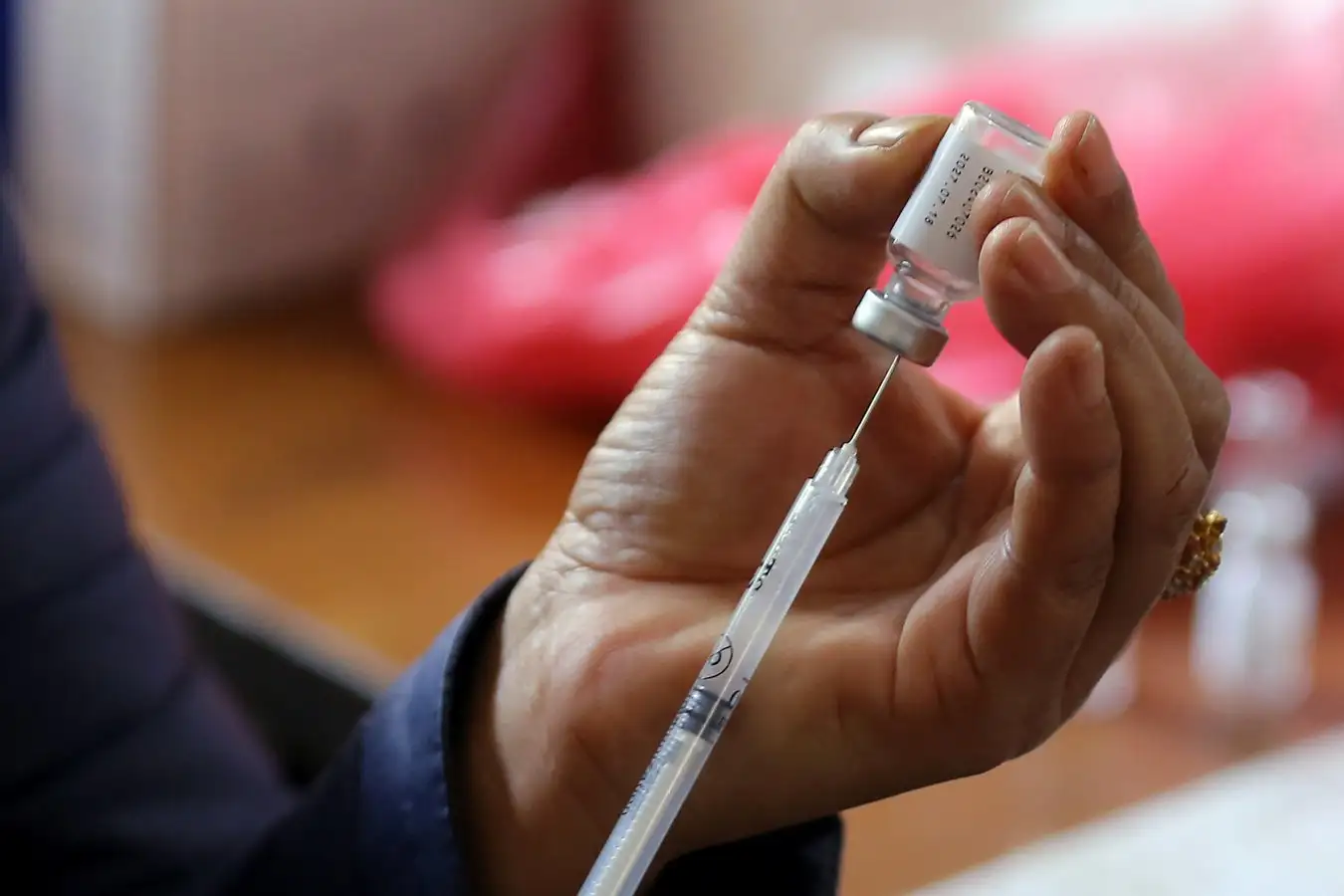
HPV Vaccine: A Milestone in Cervical Cancer Prevention Since 2006
Subhash Shrestha/Nuru Photography via Getty Images
Between 2020 and 2024, there were no reported cervical cancer deaths among women aged 20 to 24 in the UK. This remarkable achievement is a direct result of the HPV vaccination program.
“The findings are astonishing,” remarks Peter Sasieni from Queen Mary University of London. “Losing someone to cervical cancer at such a young age is tragic. The rapid rollout of the vaccine marks a significant triumph for vaccination efforts, science, and public health.”
Various strains of HPV are sexually transmitted and can alter cells in ways that significantly increase the risk of cancer. This virus can lead to cervical cancer in women in their 20s, and cervical cancer remains a global health concern.
Since its introduction in 2006, the HPV vaccine has been offered to girls aged 12 or 13 in the UK since 2008, and as of 2019, boys are also receiving the vaccine. This initiative aims to protect against additional HPV-related cancers, including those affecting the mouth, anus, throat, and penis, while helping to prevent the spread of the virus.
This study provides compelling evidence that the HPV vaccine is not just effective in reducing infections but also plays a crucial role in preventing cervical cancer fatalities. Early detection has been a concern, as those less likely to get vaccinated are typically also less likely to participate in screening. Sasieni highlights the worry that the vaccine might primarily prevent cancers that would have been detected through screening, rather than those missed entirely.
Fortunately, this apprehension appears unfounded. Research findings from Sasieni and colleagues, including Milena Falcaro, indicate no cervical cancer deaths in the UK among women aged 20 to 24 during the 2020-2024 period, based on the most recent data. Given historical averages, around 23 deaths were expected. “I’ve never seen a year with zero deaths, so having five consecutive years of no deaths is truly remarkable,” stated Sasieni.
This substantial decrease can likely be attributed to the HPV vaccine, as approximately 90% of women aged 20 to 24 in the UK have received the vaccine at age 12 or 13. “This outstanding news confirms that the HPV vaccine is lifesaving, enabling us to convey to this generation: ‘Cervical cancer and certain other cancers are no longer a risk for you,'” states Caroline Temmink, Director of Vaccination for the UK National Health Service (NHS).
While this study focuses primarily on cervical cancer, the HPV vaccine’s benefits extend to other HPV-related cancers, and both men and women can reduce their risk of developing warts on the skin, genitals, and anal regions.
Sasieni and Falcaro noted that while there were some deaths among women aged 25 to 29, these numbers were significantly lower than anticipated. They estimate that approximately 200 lives have already been saved, and this is only the beginning. Sasieni remarked, “The estimate of 200 lives saved is just the tip of the iceberg, as it appears the vaccine provides long-term protection. In the future, we could be preventing as many as 18,000 deaths based on current trends.”
However, it is crucial to note that global HPV vaccination coverage remains low, with rising cervical cancer incidence rates. Concerns have been raised about increasing death rates due to declining vaccination rates among teenagers in the UK post-COVID-19. “The unfortunate news is that vaccine uptake has significantly declined since the pandemic,” noted Sasieni.
“Together with cervical cancer screening, HPV vaccination is essential to the NHS’s goal of eliminating cervical cancer by 2040,” asserts Temmink. “This vaccine is safe and effective, and we encourage all eligible individuals to take advantage of this opportunity when invited.”
Source: www.newscientist.com