


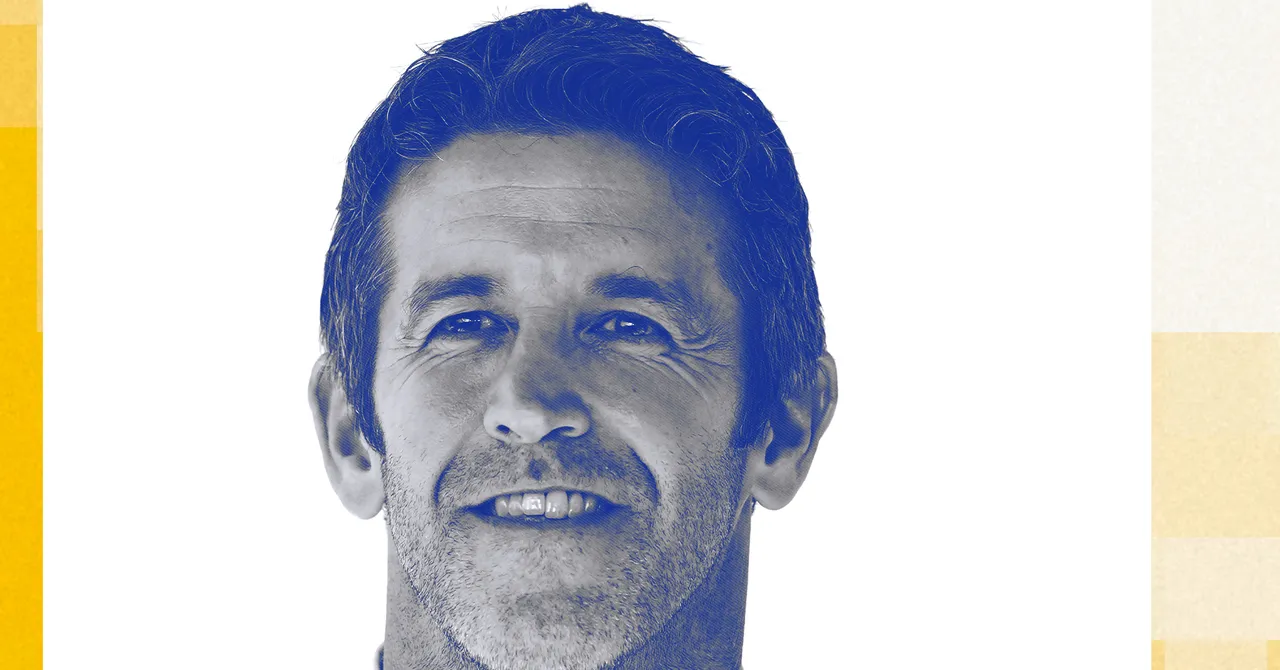
Apple introduced its new MacBook Pro in a deliberately understated presentation led by recently appointed CEO John Ternus. Rather than emphasizing the executive transition or artificial intelligence, the event focused on the hardware, with journalists and creatives exploring demonstrations involving music production, filmmaking, photography and fashion design. Even the loudest reaction came from the return of the illuminated Apple logo, underscoring the company’s message that hardware remains central in the AI era.
A low-key introduction for a new CEO
This week’s MacBook Pro introduction matched the low-key style of Apple’s new CEO. Without fanfare, Ternus walked onto a low stage at a Los Angeles event space, greeted the audience and joined a video presentation showing the first touchscreen Mac.
He then invited a small group of journalists and creatives to try the new laptops. Demonstrations highlighted the devices in use by music producers, filmmakers, photographers and fashion designers.
At 51, Ternus is one of the younger members of Apple’s executive team and had been CEO for less than two months at the time of the announcement. Yet the presentation, along with several other recent announcements, made the company’s priorities clear: under this longtime Apple executive, the focus is on the products.
The biggest response came when Ternus revealed that Apple had restored the illuminated logo on its new devices. The decision appeared to symbolize Apple’s broader message that, even as artificial intelligence becomes more prominent, hardware still matters.
Who is John Ternus?
A few minutes after the presentation, I spoke with Ternus for the second time in two days. Steve Jobs had also spoken with me after his famous keynote speech. Ternus is not, and should not be expected to be, Jobs. But his appointment raises a question: who is Apple’s new leader?
I first met Ternus in 2015, when we spent a day together at Apple’s Input Design Lab in Cupertino. He had recently been promoted to vice president of Mac, iPad, Ecosystem and Audio Engineering and came across as personable and knowledgeable. After spending four years at a virtual reality company immediately after college, he had worked at Apple ever since.
The focus of my story at the time was the painstaking research Ternus conducted to identify and fix the strange sounds made by a redesigned Apple mouse as it moved across a table.
A product-focused leadership style
That attention to detail reflected the legacy of Jobs’ perfectionism, which Tim Cook maintained as Apple’s next CEO. During the 10 years Ternus overlapped with Jobs, Ternus said he had “only a handful of interactions” with the company’s co-founder.
“But I always felt like a student of Steve’s teachings,” Ternus said. “And I was very fortunate to work very closely with Tim.”
Ternus has traditionally been defined by the strength of Apple’s products. “John has an innate sense for great products, and that’s what Apple is,” said Greg Jozwiak, Apple’s senior vice president of worldwide marketing and a 40-year veteran of the company.
In some ways, Ternus’ promotion resembles Satya Nadella’s elevation to the top position at Microsoft. However, during Microsoft’s decades-long run, Nadella was tasked with repairing a troubled organization. Ternus, by contrast, is expected to keep Apple’s existing momentum going and make the company’s progress continuous. That distinction helps explain why Tim Cook and the rest of Apple’s board were comfortable choosing him.
An Apple insider
Ternus’ deep ties to Apple became apparent when I asked about the company’s leadership. Asked which chief executive he admired outside Apple, he appeared puzzled. “I didn’t think much about it,” he said.
When asked whether any business books had influenced him, he replied, “Not really.” He added, “Of course I’ve read the books, but there’s a lot to learn from the people I work with.”
Whenever I tried to identify what Ternus wanted to accomplish at Apple, he redirected the conversation toward his plan to continue the company’s commitment to internal collaboration.
Source: www.wired.com